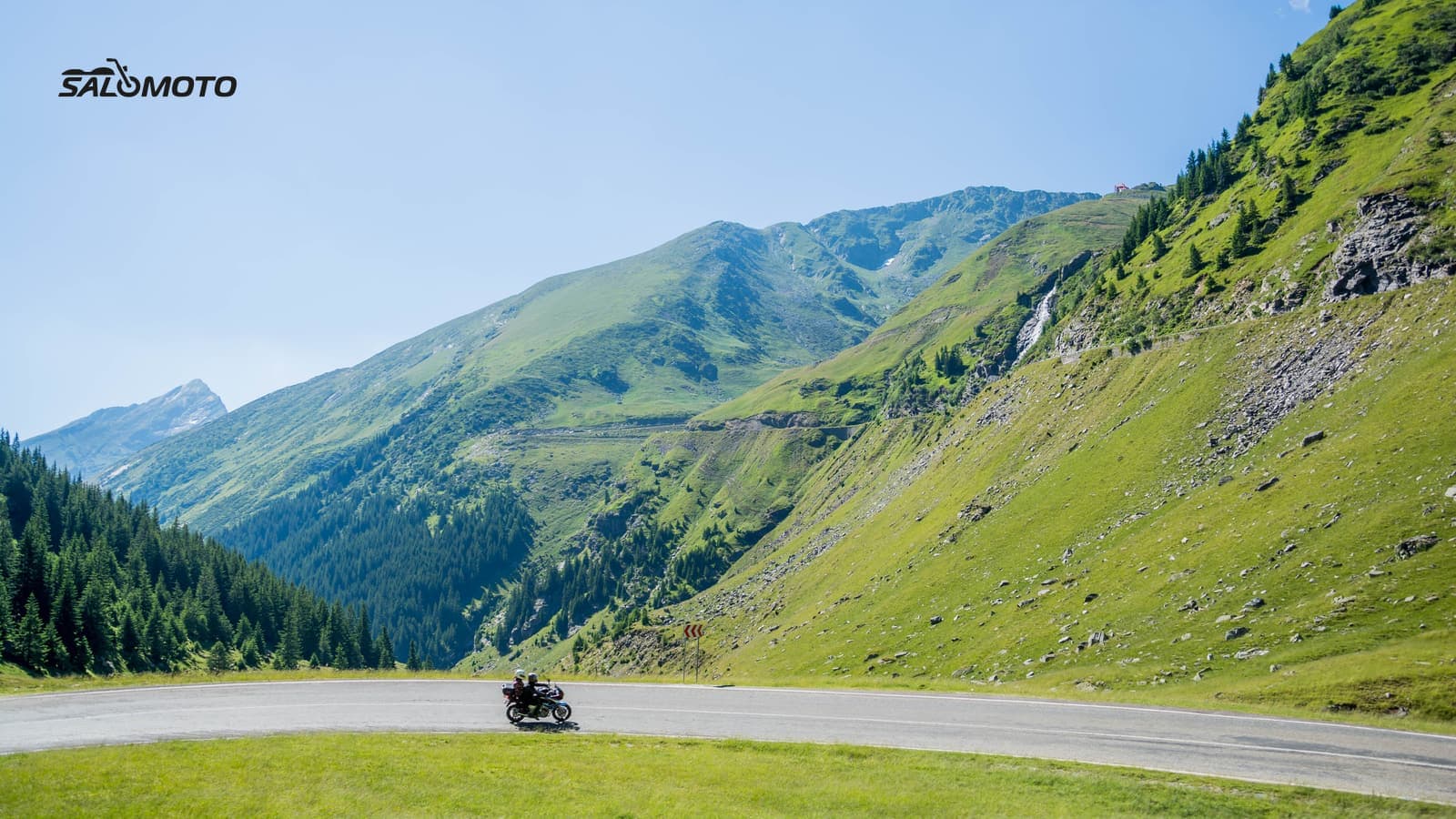
Fun is a matter of fit
Whether a motorcycle puts a grin on your face depends less on horsepower or bragging rights than on whether it suits the place you ride. A light supermoto dances through tight switchbacks and wears you out after two hours of interstate. A big touring bike glides through long days and turns a mountain road full of hairpins into a workout. A sportbike shows what it was built for on a closed racetrack and loads your wrists in stop-and-go traffic. No category is better than another; each one is built for something different.
Before you compare models, take an honest inventory:
- Main use: Where do most of your miles happen: commute, back-road loop, interstate, dirt road?
- Now and then: What do you want occasionally but not every week: a trip with luggage, a track day, a gravel road?
- You: Height, riding experience, and how confident you honestly feel today.
- Limits: Budget for buying and running the bike, storage, where you are with your license.
- Surroundings: Weather, terrain and traffic where you live.
Buy for the main use and make sure the bike tolerates the occasional one. Doing it the other way around often means riding a bike built for one vacation a year every single day.
Matching the riding to the kind of bike
| Riding | Often fits | Watch for |
|---|---|---|
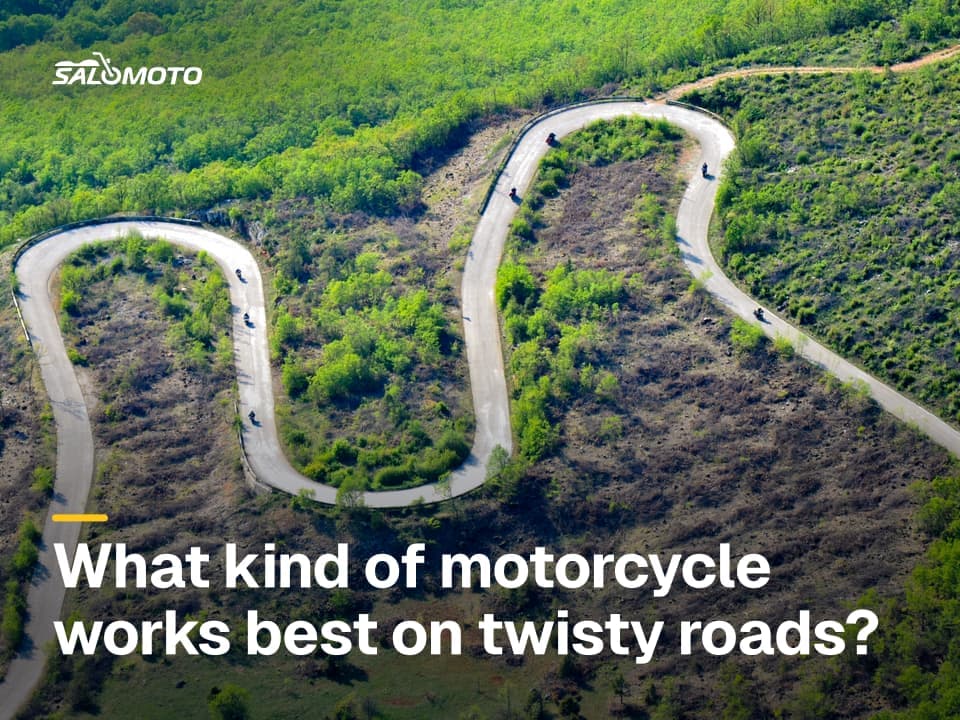
| Twisty back roads | standard, lighter dual-sport, supermoto | agility counts more than power |
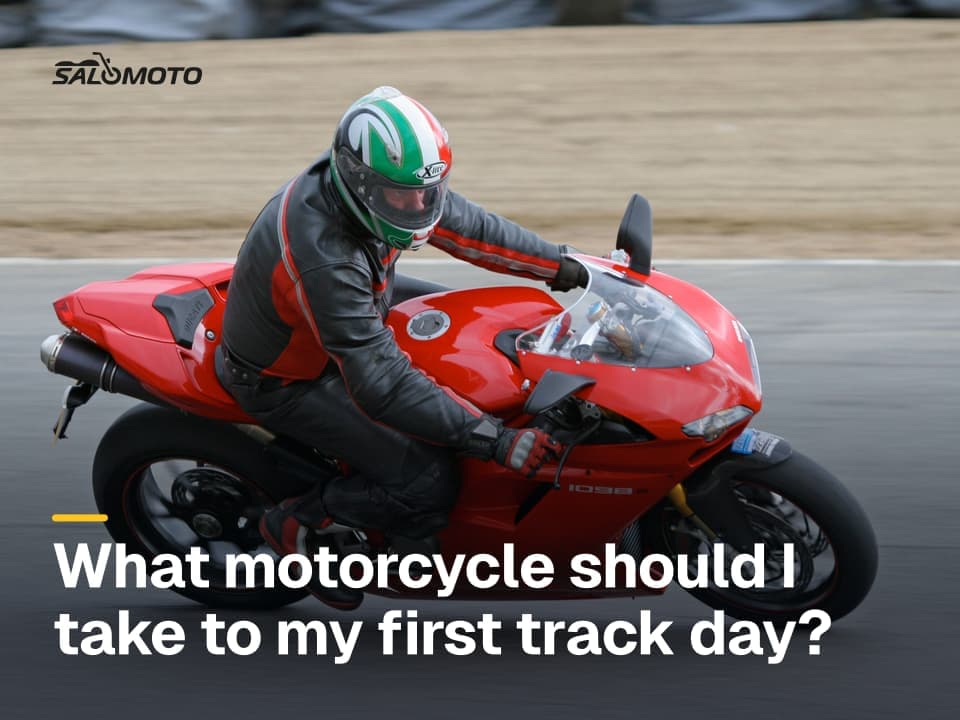
| Track days | sportbike, standard, small-displacement sportbike | organizer's rules and gear requirements |
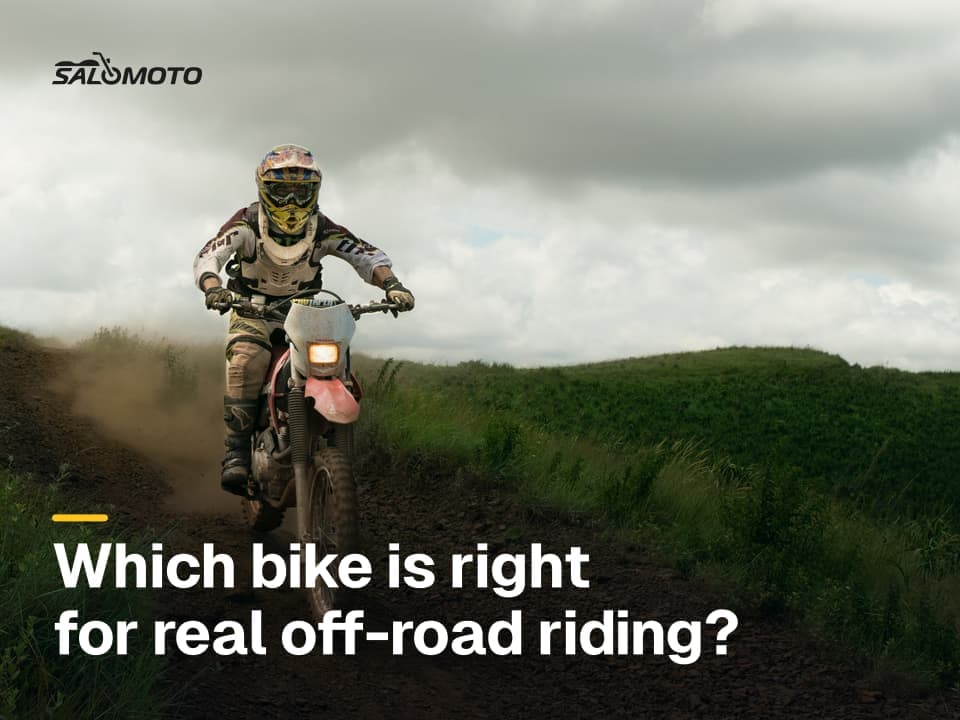
| Real off-road | dirt bike, off-road-focused dual-sport | street legality, hauling, legal riding areas |
| Pavement and gravel | adventure bike, scrambler, dual-sport | weight when standing, tire choice |
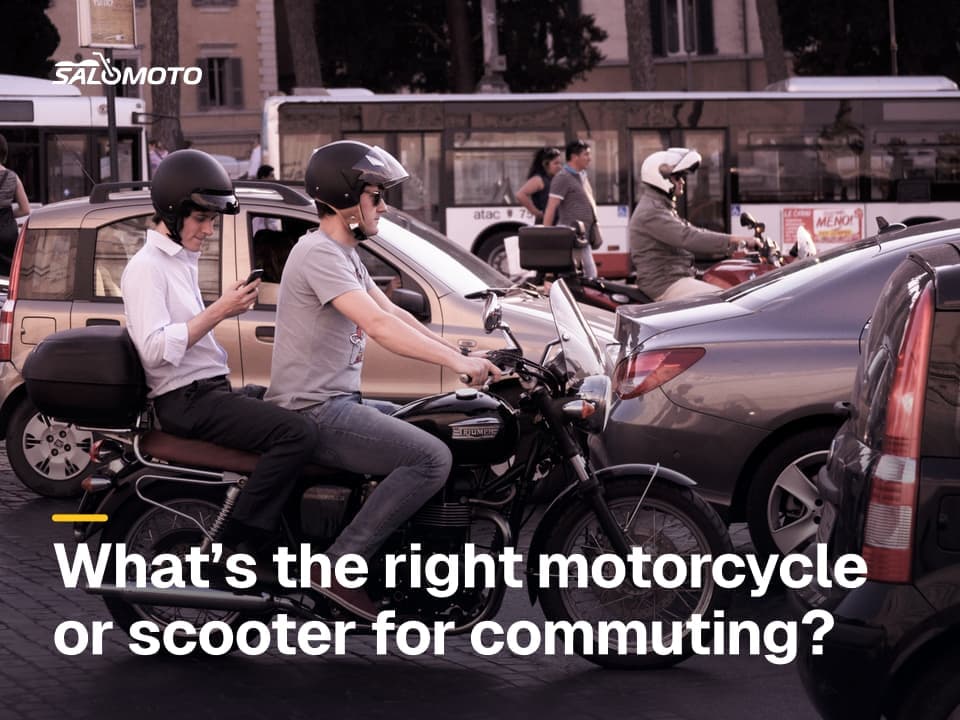
| Commuting | scooter, small standard, light dual-sport | storage, weather protection, fuel use |
| Long interstate days | touring bike, sport-tourer, big ADV | wind protection, seat, range |
| Travel with luggage | adventure bike, touring bike, sport-tourer | payload, luggage system |
| Riding year-round | scooter, touring bike, sturdy standard | weather protection, corrosion, cold tires |
The table points in a direction; it isn't a verdict. What makes a bike good on your favorite loop is covered in motorcycles for twisty roads. If you want to ride on a closed course, start with choosing a track-day motorcycle. For mostly pavement with the odd dirt road, see pavement and gravel; for the daily ride to work, commuter motorcycle or scooter. Riders who log big interstate miles should read what long interstate days demand, and anyone loading up for a long trip, motorcycle travel with luggage.
The criteria behind the table
Riding position and wind
Sitting upright gives you a view over traffic and leverage on the bars, which suits town and back roads. A tucked position puts weight on the front tire, which helps on a racetrack and hurts in a traffic jam. On long, fast days, wind protection decides whether you're still relaxed after two hours.
Tires and suspension travel
Tires are the most honest sign of what a bike is meant for: sport tires want heat, knobbies want loose ground, touring tires want miles and rain. Long suspension travel soaks up roots and potholes but usually means a tall seat. Shorter travel keeps a bike calm and precise on smooth pavement.
Weight and street legality
You feel weight when you push the bike around, in tight turns and above all in the dirt, where you'll pick up a dropped bike yourself. Check early whether a bike is street-legal at all. Many motocross and race bikes aren't street-legal, so you'd need a trailer or truck and a place where riding is allowed.
Track and trail: their own places, their own rules
The way to explore what a bike can do is a closed course, never a public road. Track-day organizers typically split riders into groups by experience, and novice groups are meant for riders with little or no track time, often with classroom sessions and coaching. Each organizer runs its own tech inspection and gear rules, which usually call for a full-face helmet, leathers, gloves and boots. A manageable street bike in good shape is often enough to start.
The same principle applies off-road: ride only where it's legal, on designated trails, at riding parks or with permission. Rules vary by state and land manager, which is why real off-road riding covers where you can ride and which discipline fits. If you're torn between pavement fun and dirt, read supermoto vs. dual-sport; choosing within each class is covered in the guides on supermotos and dual-sports.
Experience, budget and where you live
The right category is only half the answer. A bike that overwhelms you isn't fun anywhere. If you're still short on miles, choose the lighter, gentler version within the category; see bikes that build confidence.
Costs follow the riding too. Sport tires and chains wear faster on a track, a commuter racks up miles and service intervals, and a weekend bike costs you mostly fixed expenses like insurance and registration. How to estimate that is in cheapest motorcycles to own.
Finally, think about your surroundings. Lots of rain, cold or salted roads call for weather protection and extra care, covered in year-round riding. If you only ride on sunny Sundays, your priorities shift, as weekend motorcycles explains. And if you often carry someone, riding two-up pushes the choice toward payload and comfort.
Before you buy, test the match: ride the bike, where possible, on roads like the ones you'll ride most, not just once around the dealer's block.