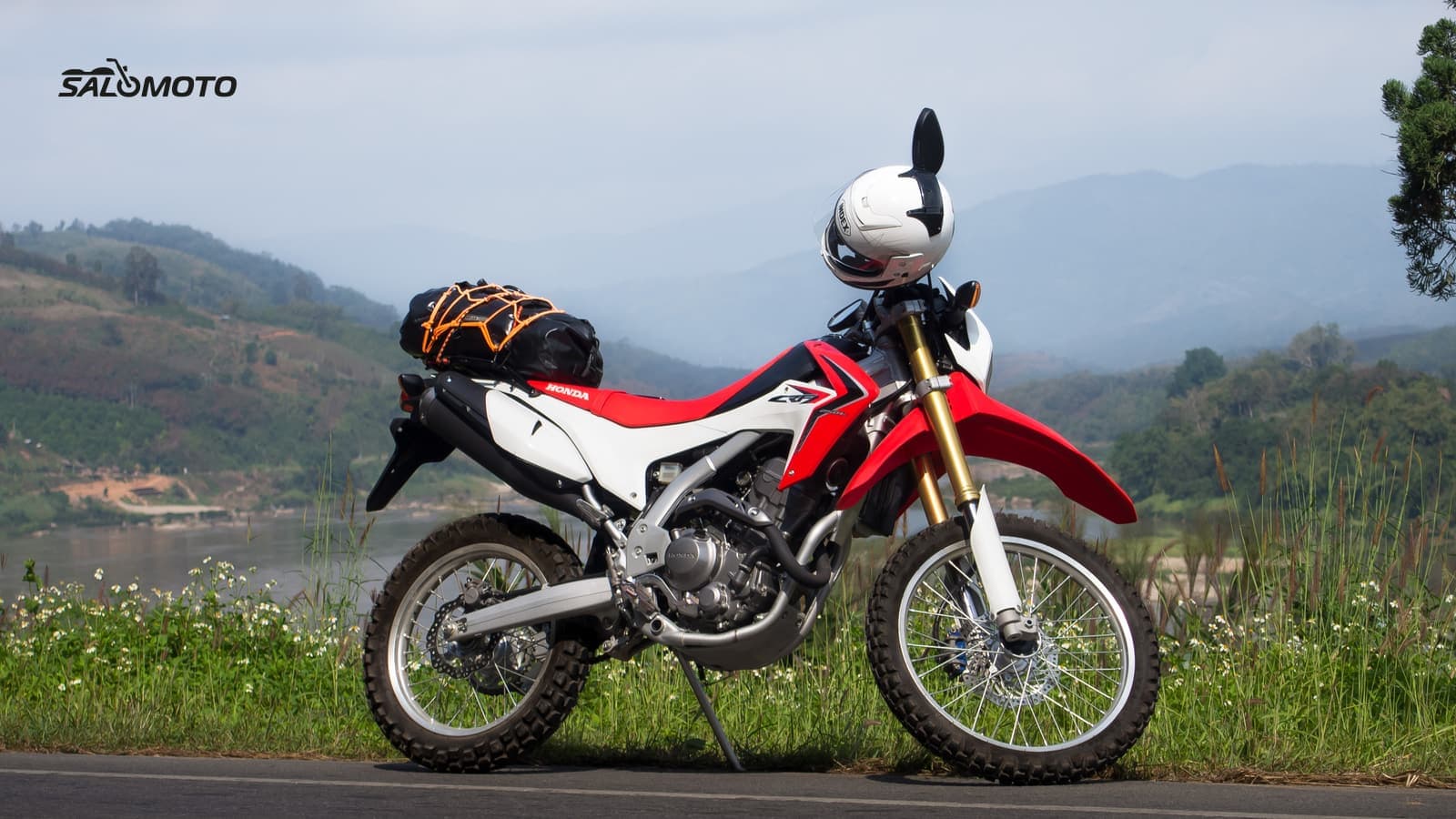
Dual-sport, enduro, dirt bike: what the words mean
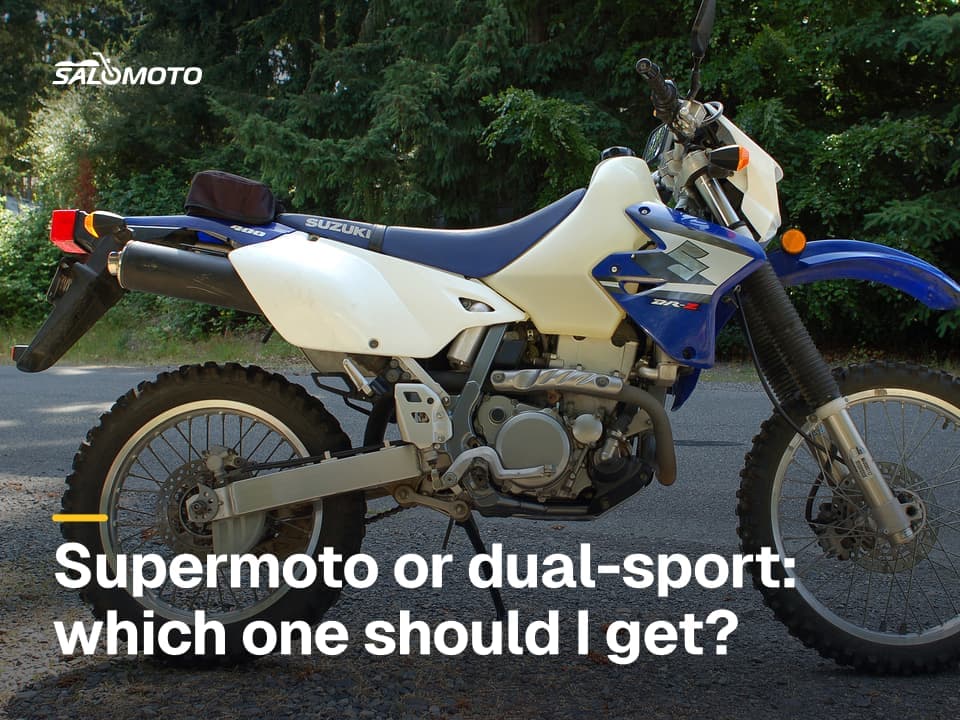
In the US, a dual-sport is a motorcycle built for dirt that is also street legal: lights, turn signals, mirrors, a horn, a plate and road-certified emissions. "Enduro" is trickier. In Europe it simply means a street-legal off-road bike, but in the US it usually points to competition machines built for enduro racing, some of them plated, many of them not. A dirt bike or motocross bike is for off-road use only.
Within dual-sports, the range is wide:
| Type | Built for | The catch |
|---|---|---|
| Road-friendly dual-sport | commuting, back roads, dirt roads, easy trails | runs out of capability on hard trails |
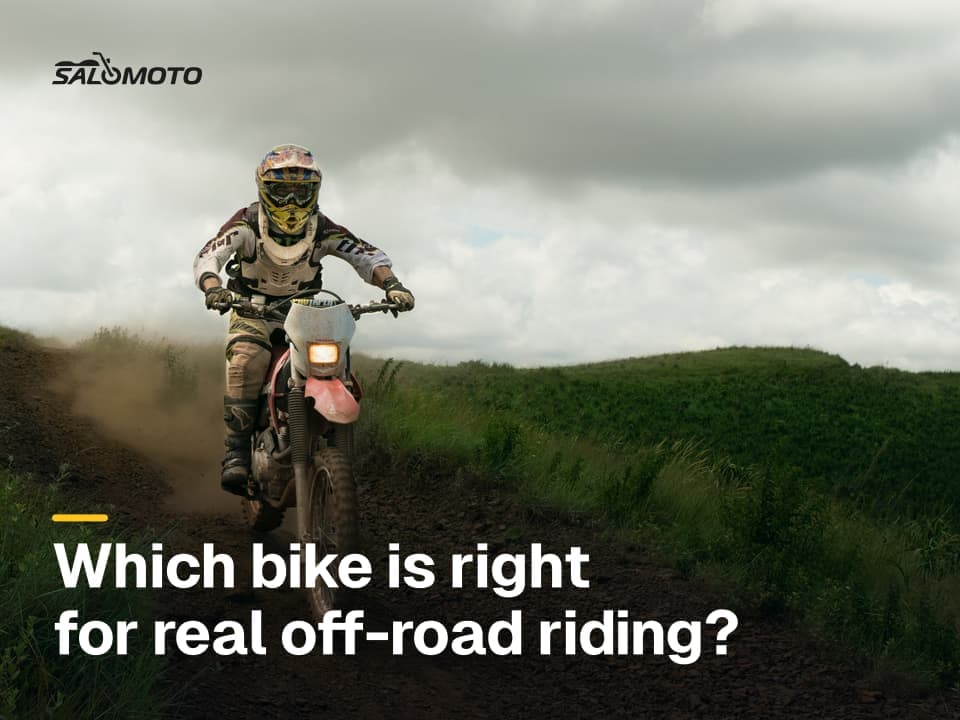
| Plated competition enduro | single-track, rocky climbs, riding areas | tall, stiff, frequent maintenance |
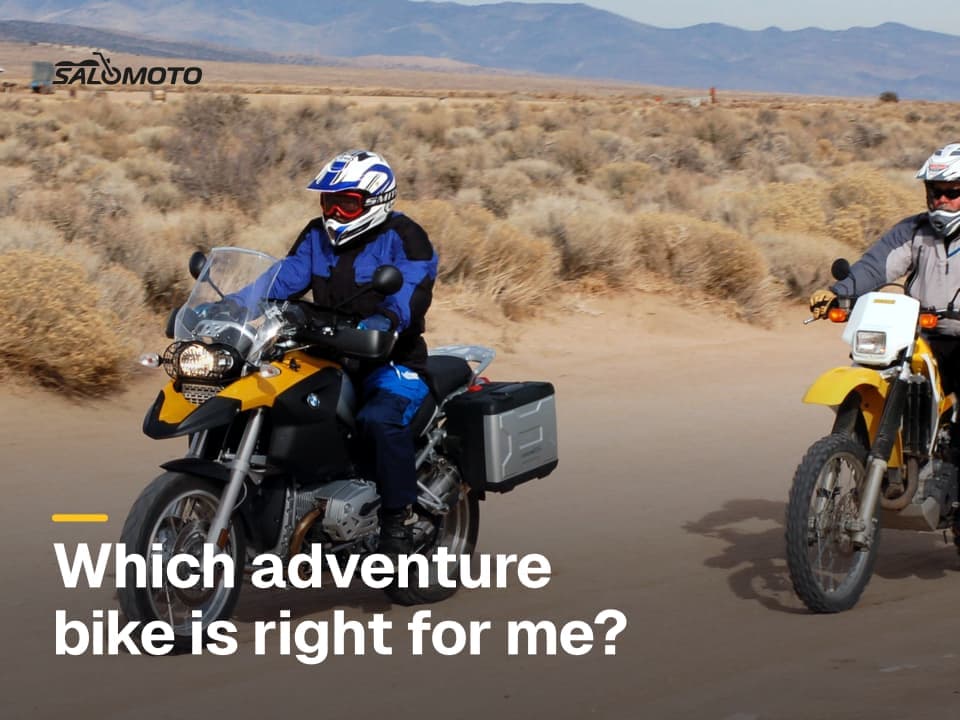
| Adventure bike | long trips, luggage, a passenger | heavy; dirt is secondary |
| Dirt bike / MX | tracks and off-road areas | no street registration |
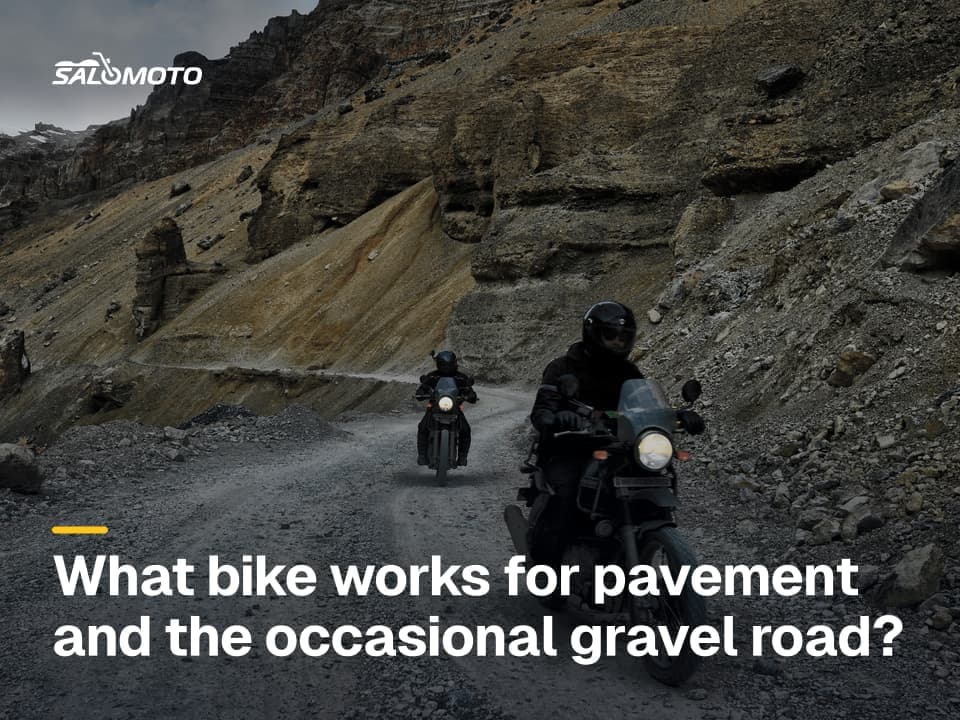
This guide covers the first two rows. If travel is the main goal, see which adventure bike fits you. If you ride mostly pavement with the odd gravel road, start with a bike for pavement and occasional gravel. And if you're still deciding between dirt and street wheels, supermoto vs. dual-sport compares them head to head.
The honest question to ask first: how many of your miles will really be off pavement, and where? The smaller that share, the more the road-friendly end makes sense.
Street legal or trail-only?
A dual-sport earns its plate by meeting road rules. In California, for example, that comes from how the bike was certified, not from a bolt-on light kit: a motorcycle certified only for off-highway use can never be made street legal. Other states are reported to be more flexible, but rules vary by state, so check with your DMV before you buy anything you plan to plate. Many competition models come in plated and off-road-only versions that look almost identical; on a used bike, go by the title and registration, not the photo.
If nearly all of your riding happens at riding areas you trailer to anyway, a dirt bike can be the more honest choice: lighter, no street compromises, no registration for the road. A dual-sport pays off when you want to ride from your driveway to the trailhead. To ride it on the street you need a motorcycle license or endorsement like any other bike; see what you can ride on which license.
Seat height and weight: the dual-sport trade-off
Long suspension travel and ground clearance are what make a dual-sport work in the dirt, and they're also why the seat is tall. On competition-derived models it often sits well above anything you know from street bikes. The spec sheet tells only half the story: a narrow seat brings your legs closer to the ground, and soft suspension sags noticeably when you sit down.
- Lowering costs suspension travel or ground clearance. A bike that is lower from the factory is often the better fix.
- Weight counts twice off-road, because out there you'll pick the bike up yourself. See whether you can lift it from its side.
- Standing is part of the job: the bars and pegs should let you stand upright without hunching over.
Road-friendly dual-sports are usually heavier and a little lower, and calmer on the highway. If reach is your limit, read motorcycles for short riders.
Tires and maintenance: daily rider or race bike?
Tires
Tires often decide more than the bike where a dual-sport shines. Road-biased dual-sport tires last longer on pavement and grip better there. Full knobbies bite in mud and loose dirt but wear quickly on asphalt and lose grip in the wet. For the street, the tire must carry the DOT marking, and some competition tires don't.
Maintenance
A road-friendly dual-sport is serviced much like any street bike. A plated competition enduro is built light and high-revving, and that has a price: many manufacturers set service intervals in engine hours rather than thousands of miles. Oil changes, air filter cleaning after dusty rides, valve checks and, on some models, top-end rebuilds come around far more often. Read the owner's manual before you buy, not after, and be honest about whether you'll do the wrenching yourself.
Where you can legally ride off-road
Many states also run their own OHV registration, sticker or trail-pass programs, so check what your state asks of a plated bike on its trails. Choose your dual-sport for the places you'll actually ride. How to find legal trails and get started off-road is covered in riding a motorcycle off-road.
For the general test-ride routine, use the first motorcycle checklist. For a dual-sport, add:
- Stand on the pegs: can you reach the bars without hunching?
- Walk it, back it up and hold it on a slope: how does the weight feel?
- Ride slowly and turn around on gravel or grass, if the seller allows
- Ask to see engine hours and service records
- Check whether and how ABS can be switched off for dirt, if fitted
Legal information on this page refers to the United States, where rules vary by state.