Motocross, enduro, trials or trail: pick the riding first
"Dirt bike" covers machines built for very different jobs. Decide what kind of riding you want, then shop for the bike that does it.
| Type | Built for | How it feels | Fits you if… |
|---|---|---|---|
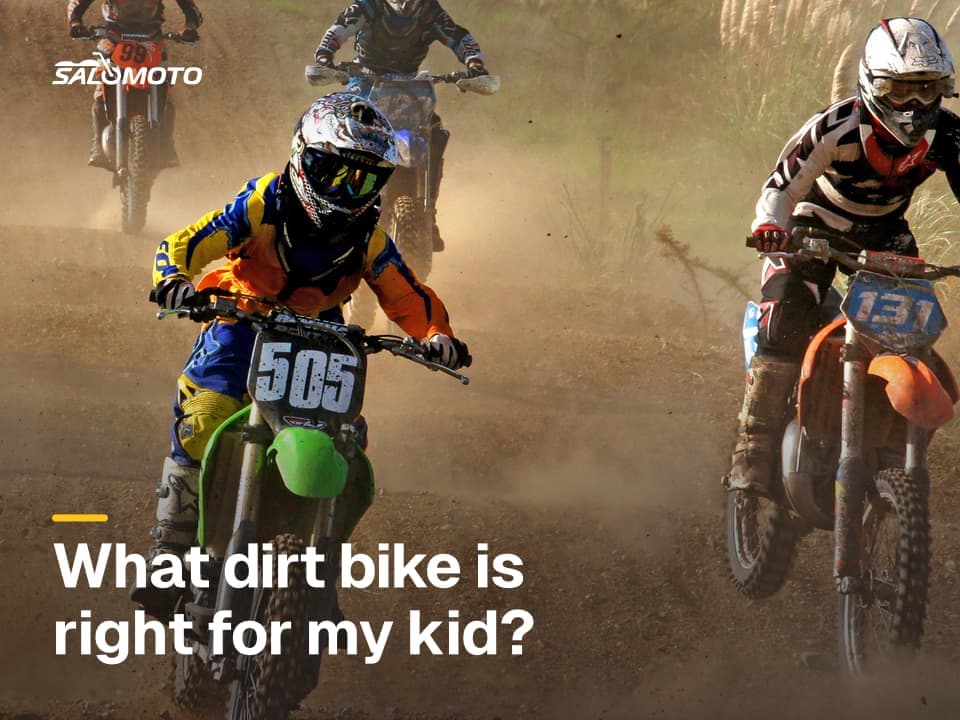
| Motocross (MX) bike | Tracks with jumps, berms and whoops | Stiff, fast-revving, small gas tank | you want laps at a track |
| Off-road enduro | Long, varied trails, roots and rocks | Softer, wider gearing, bigger tank | you want hours on technical trails |
| Trials bike | Slow climbs over rocks and logs | Very light, almost no seat, ridden standing | balance and precision excite you more than speed |
| Trail bike/playbike | Easygoing trail riding and learning | Gentle, lower seat, forgiving | you're new to dirt |
In the US, "enduro" usually means an off-road competition bike, not a street-legal one. MX and enduro bikes are race equipment: even the small-displacement ones are strong, tall and happiest ridden hard. Many adult beginners learn faster on a milder, lighter bike because they crash less often and less hard. A trials class is one of the best ways to build balance and clutch control, even if motocross is your goal.
Two-stroke or four-stroke?
Both engine types are common in the dirt, and the choice is about feel and upkeep rather than right or wrong.
- Two-strokes are simple, usually lighter and snappy. On some models the power arrives suddenly. Many run on premix (oil mixed into the gas), and the top end is refreshed after a set number of engine hours, a job many owners do themselves.
- Four-strokes usually deliver power more smoothly and find traction more easily on slick ground. They tend to be heavier and more complex. On race engines, valve checks and oil changes come often, and a rebuild costs more.
For a beginner, predictable power matters most. Read the owner's manual before buying, and on a used bike trust engine hours and service records over the model year.
Plated or off-road only?
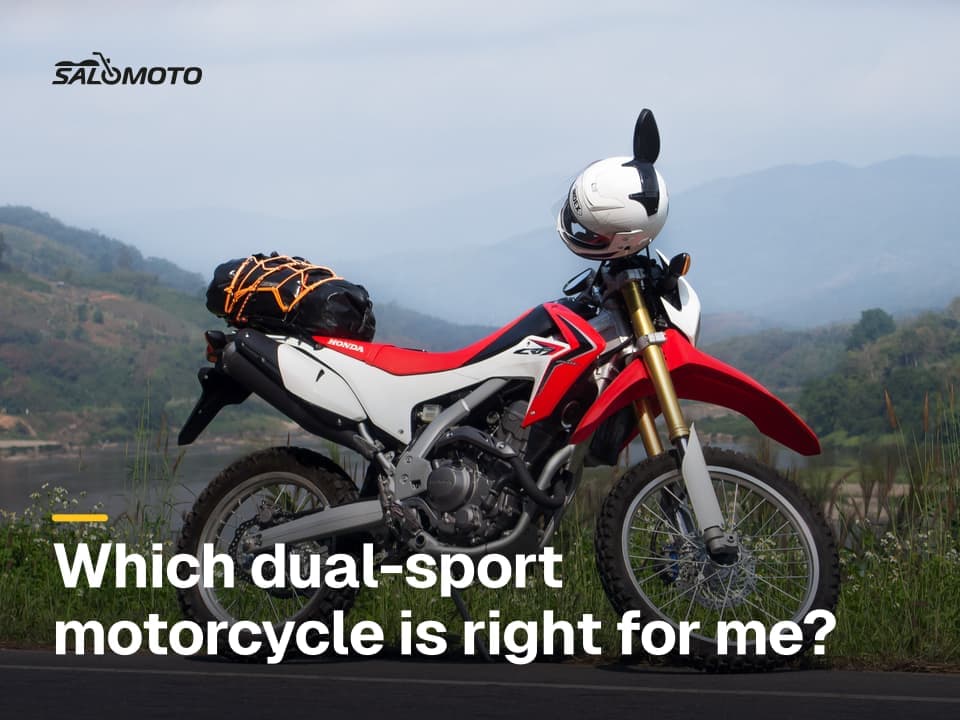
An off-road-only bike is lighter and has no street compromises, but it rides only where your state and the land manager allow off-highway vehicles, so you'll always need a way to haul it. A plated dual-sport can leave from your driveway and use open dirt roads. Turning an off-road bike into a street-legal one depends on your state, and in California an off-highway-certified bike can never be made street legal. If you want a plate, read which dual-sport motorcycle fits you.
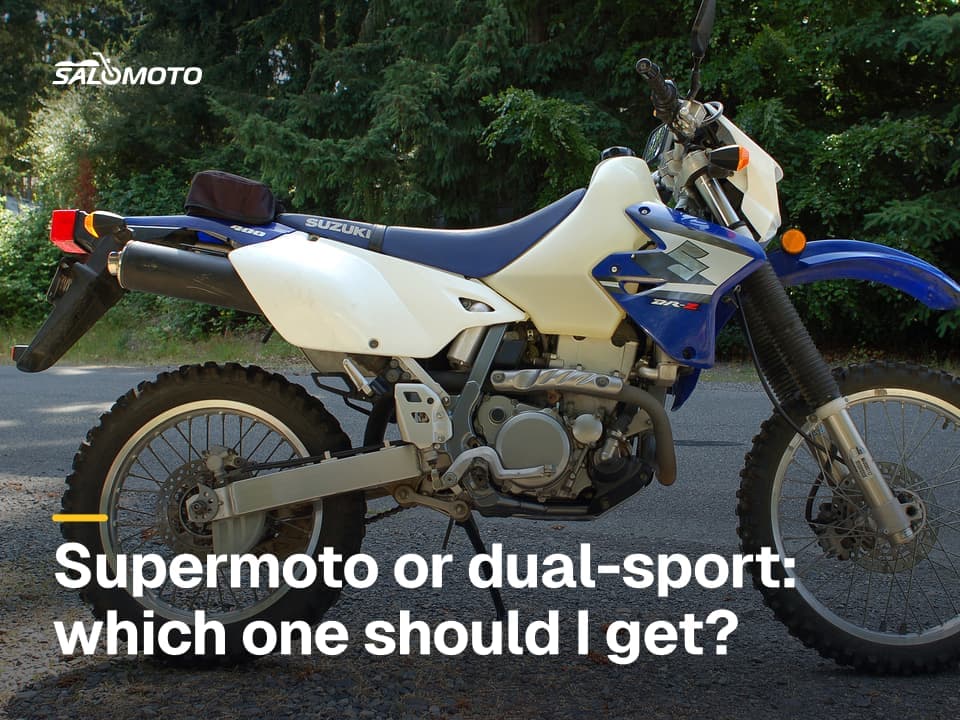
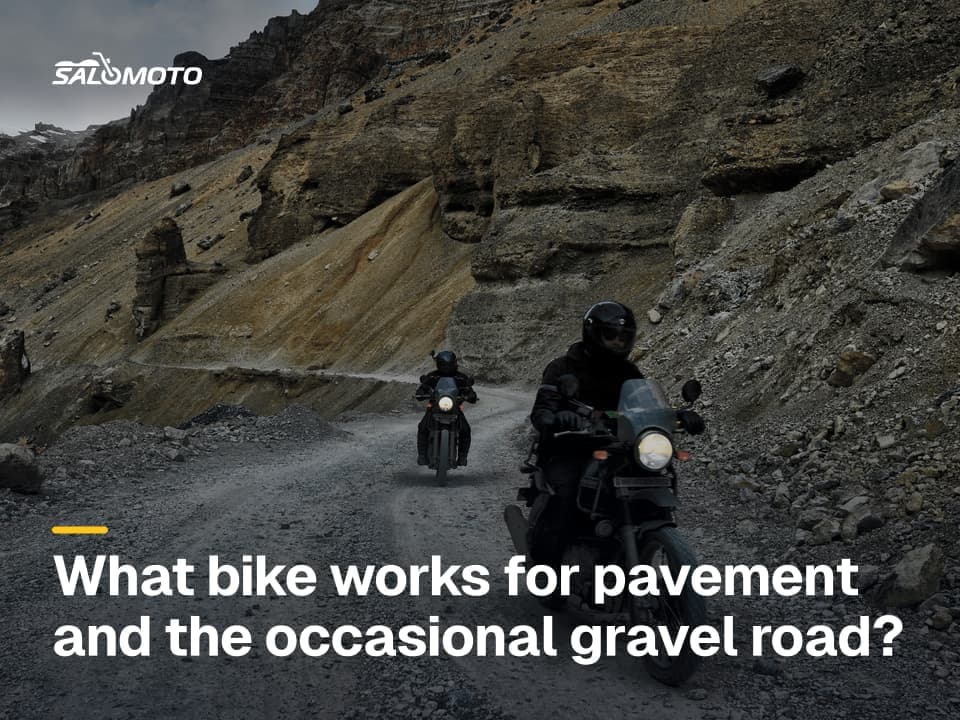
If you mostly ride pavement with the odd dirt road, a motorcycle for pavement and gravel is a better fit, and if your fun is mostly on asphalt, see supermoto vs dual-sport. Kids follow their own rules: dirt bikes for kids.
Where you can legally ride off-road
Legal places to ride include designated trails and open areas on public land, state OHV parks, private motocross tracks with practice days, and permitted events. Before your first visit, find out:
- Which vehicle classes a route allows (some trails are motorcycle-only single track)
- State registration, sticker or trail pass required
- Spark arrestor and noise rules
- Seasonal closures and fire restrictions
- Track fees, waivers and required gear
- Beginner sessions or rental bikes
Stay on the trail, cross streams only at designated crossings, keep away from wildlife water sources, and pack out your trash. Riding areas stay open when riders prove they can be trusted with them.
Hauling, gear and training
Hauling
A pickup bed with a wheel chock and four tie-downs, a small trailer or a van all work. Pack a gas can, tools, a spare tube and a bike stand.
Gear
The AMA's advice is to dress for the crash, not the ride: a DOT- or Snell-certified full-face helmet, goggles, chest and back or roost protection, knee guards or braces, gloves, a long-sleeve jersey and riding pants, and boots at least 8 inches high. Helmet laws for street riding vary by state; tracks and parks set their own gear rules. Budget for gear from day one.
Training
A dirt-bike course with a rental bike, such as the MSF DirtBike School or a track's coaching day, is the cheapest way to find out whether motocross, trails or trials suits you before you buy. Clubs and tracks also connect you with people who help with maintenance, hauling and finding legal places to ride. For a plated bike, licensing works through your state DMV; see which motorcycles your license covers.
Legal information on this page refers to the United States, where rules vary by state.