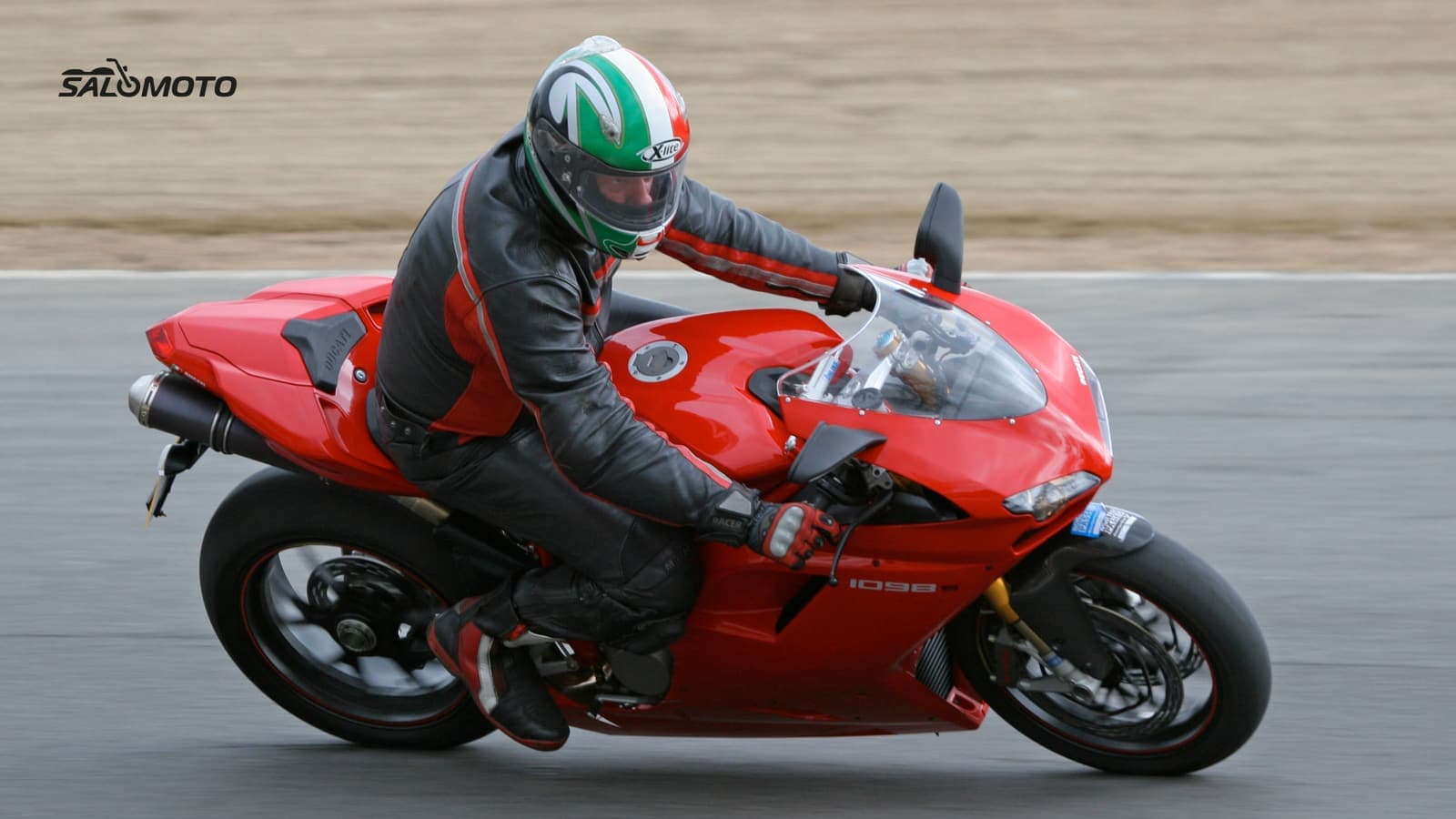
What matters on track that you barely notice on the street
On the street you ride with a margin. On a closed course you run lap after lap much closer to your own limits, and different things start to count:
- Brakes: They have to feel the same in the last lap of a session as in the first. Old fluid and worn pads show up fast.
- Tires: Fresh sport or track-day tires in your size matter more than extra horsepower. Half-worn touring tires are a poor choice.
- Cornering clearance: Pegs, kickstands and exhausts touch down early on cruisers and some touring bikes.
- Riding position: A sporty crouch helps on track, but an upright bike won't hold you back in your first sessions.
- Cooling and durability: Sustained hard running loads the engine, clutch and chain more than a weekend ride does.
- Weight: A lighter bike tires you less and goes easier on tires and brakes.
Horsepower is missing from that list on purpose. For how much you really need, see how much horsepower do I need.
Five ways onto the track
We don't publish a "top five track bikes" list: prices, availability and lap times change too fast to verify. Here are the categories riders actually show up on:
| Route | Strength | Trade-off |
|---|---|---|
| The street bike you own | no purchase, a bike you know | a crash hits your daily rider |
| Small-displacement sportbike | light, cheap consumables, lots to learn | not much pull on long straights |
| Used middleweight supersport | precise, plenty of parts around | demands technique, check its history |
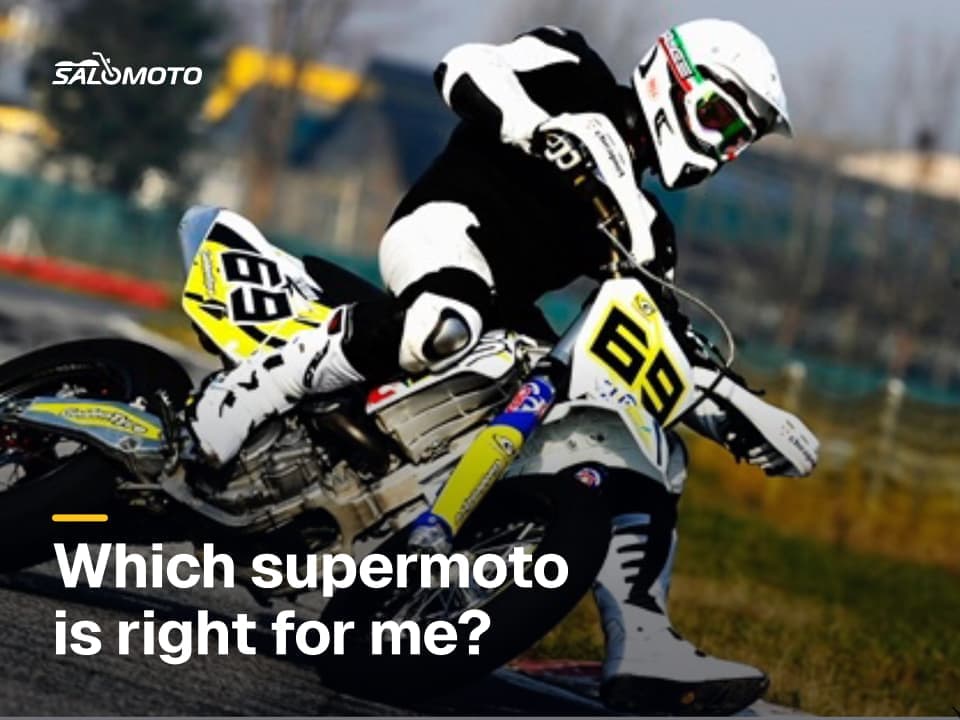
| Supermoto at a kart track | short tracks, lower speeds, lots of laps | a different discipline from a full circuit |
| Liter superbike | maximum power and electronics | experienced riders only, costly tires and parts |
The bike you already own is almost always the best first-day choice, whether it's a standard, a sport-tourer or even an adventure bike. You're there to learn the track, not a new motorcycle.
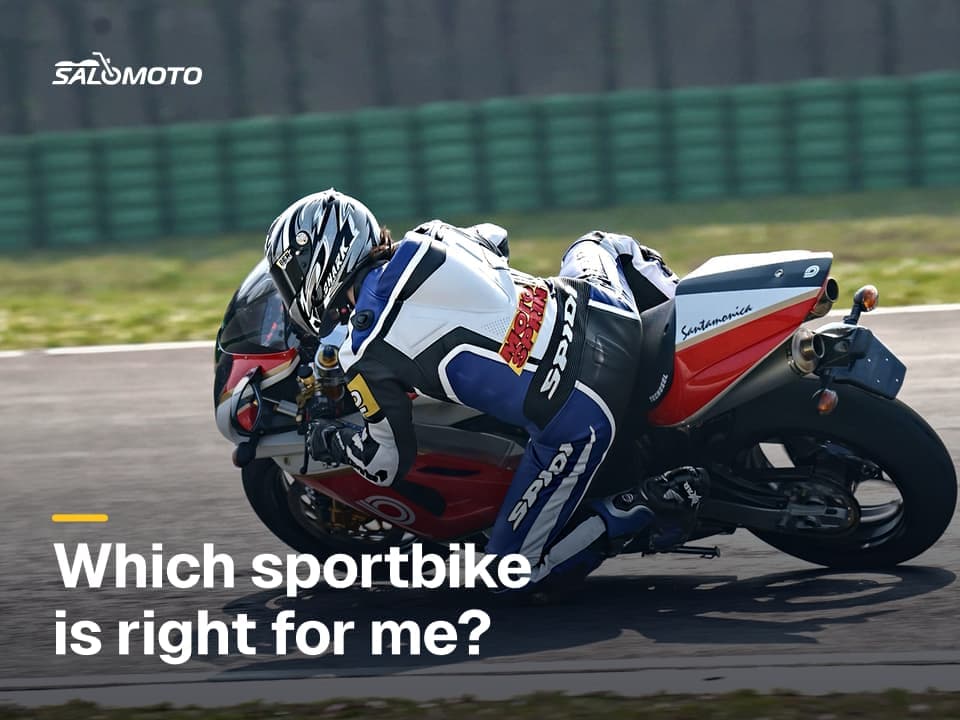
Small sportbikes are honest teachers for many riders: you get to use all of their power instead of being wary of it. Which sportbike class fits you is covered in which sportbike is right for me.
Used middleweight supersports are a classic track-bike route, often sold already wearing race bodywork and frame sliders. Look hard at the bike's history.
Supermotos often run at kart tracks, where speeds are lower and corners come quickly. More in our supermoto guide.
A liter bike belongs at the end of the line. Whether one suits you at all is the subject of is a liter bike right for me.
One bike for both, or a dedicated track bike?
Running one bike for the street and the occasional track day is common and often sensible: ride there, tape up, go. The catch is a crash. You lose not only your track bike but also your commuter, and bodywork, levers and lights can add up quickly.
A track-only bike keeps the two apart. In exchange you need a trailer or a truck, a place to store it and time to maintain it. Many riders keep spare levers and a few parts in the pit so a minor tip-over doesn't end the day. A common rule of thumb: once you're doing several days a season and want to spare your street bike, a dedicated bike starts to pay off.
What tech inspection checks, and what else you'll pay for
Every organization writes its own rules, so read them before you register. The usual items:
- protective gear, often one- or two-piece leathers, back protector, boots, gloves and a helmet that meets their standard
- tech inspection: tires, brakes, no leaks, chain adjustment, nothing loose
- headlight, taillight, mirrors and turn signals taped or removed
- track noise limits, which can rule out a loud exhaust
- riders' meeting and groups by experience, usually starting in novice
Budget for more than the bike: registration fees, tires that wear faster on track, brake pads and fluid, gas, travel and possibly leathers. For the bigger picture, see cheap motorcycles to own.
Ask your insurer before you go, and don't assume your street policy follows you onto a racetrack. Some riders buy separate track coverage; read its terms carefully.
Learn first, upgrade later
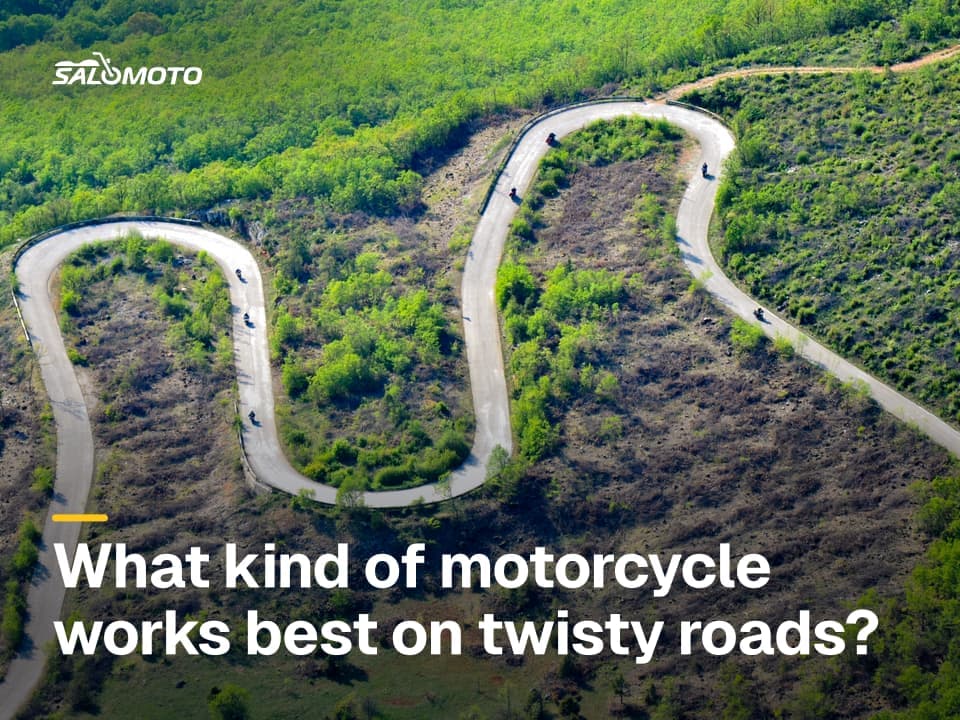
The biggest upgrade at the track isn't a motorcycle, it's good coaching. Novice groups often ride with control riders or coaches and get classroom sessions between laps. If you're still building confidence, start with a rider course and read confidence-building motorcycles. A track day also gives you a better feel for tires and brakes on the street; for what makes a bike pleasant on back roads, see a motorcycle for twisty roads.
If you're still working out which kind of bike fits your riding overall, start with which motorcycle for which riding.
Legal information on this page refers to the United States, where rules vary by state.