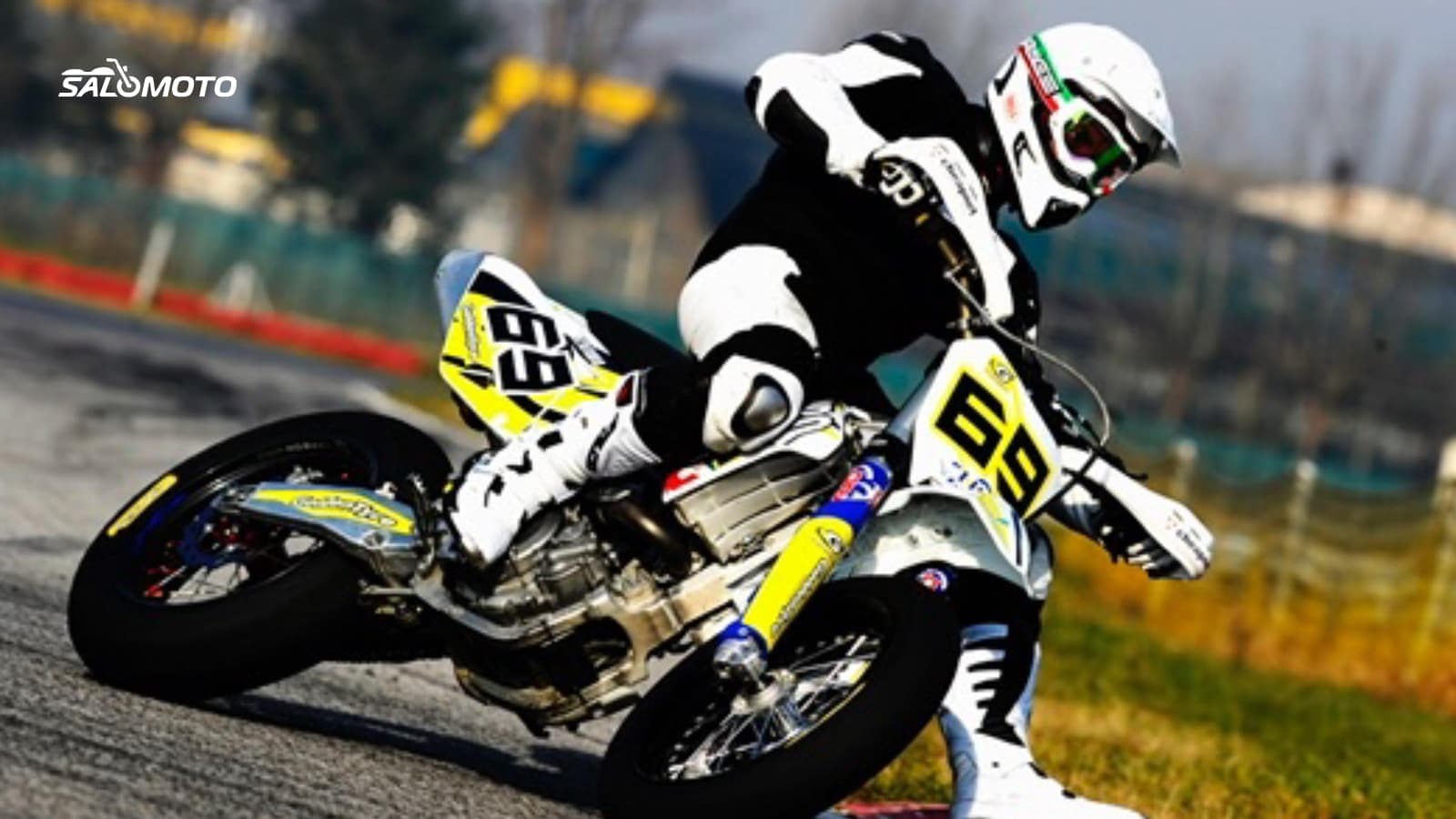
What makes a supermoto a supermoto
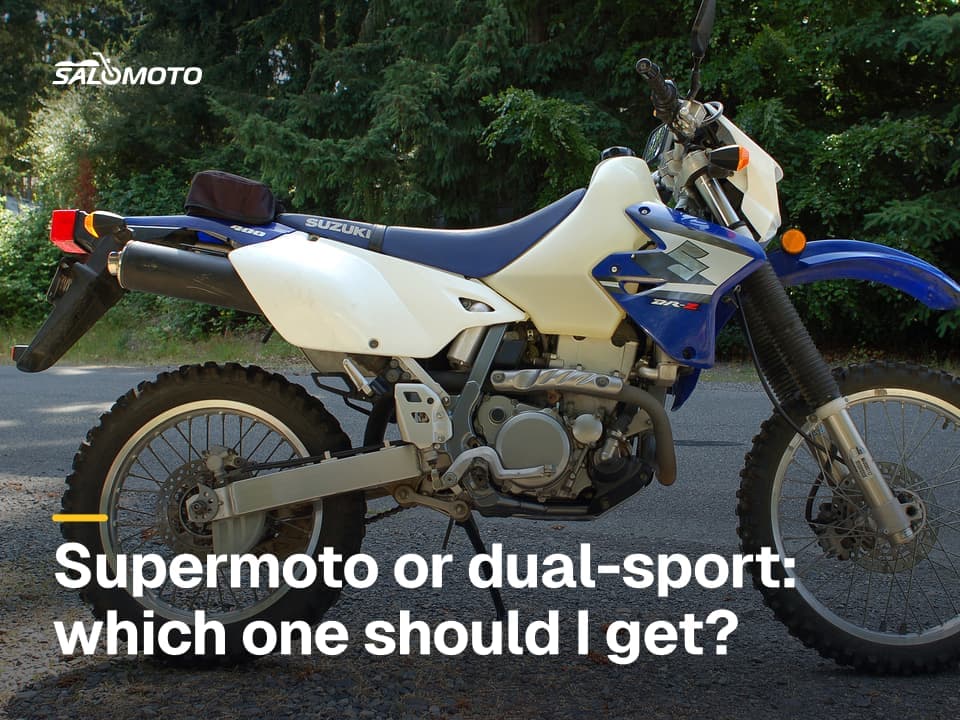
A supermoto is an off-road motorcycle dressed for pavement. The frame and long-travel suspension come from the dirt-bike side; 17-inch road wheels, street tires, stronger brakes and wide bars make it work on asphalt. The race version runs on tracks that are mostly pavement with a short dirt section, often at go-kart circuits. That recipe explains both the fun and the catches:
| What you get | What you give up |
|---|---|
| low weight, quick steering | stability at sustained high speed |
| upright seat, view over cars | wind protection |
| wide bars, lots of leverage | room in tight gaps between cars |
| long-travel suspension for potholes | a low seat |
| narrow seat, freedom to move around | comfort after the first hour |
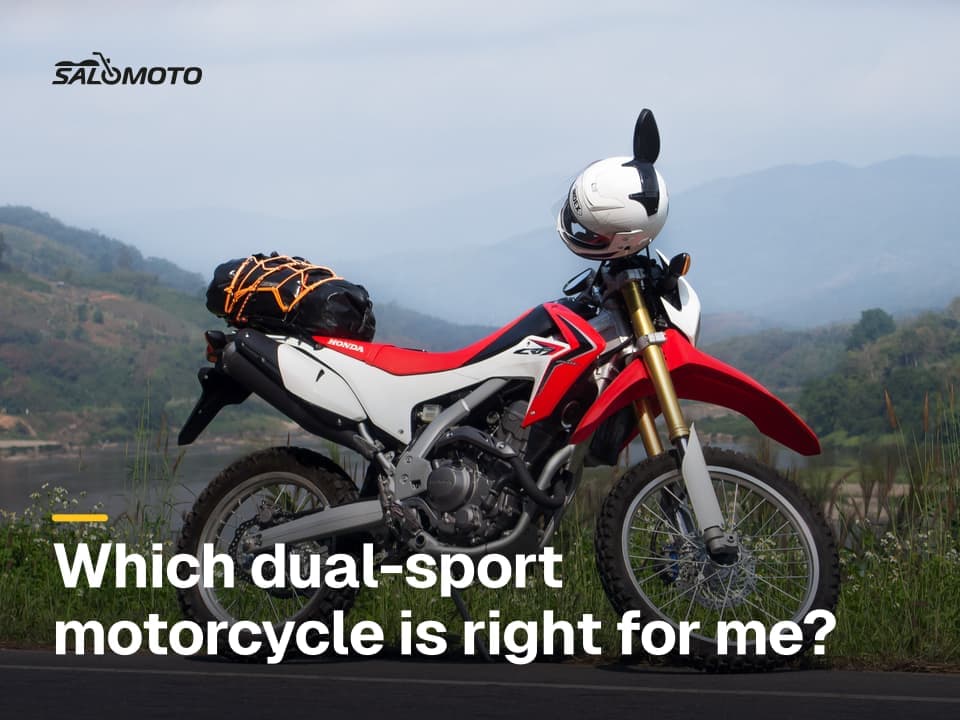
Still deciding between this and a dirt-capable dual-sport? Start with supermoto vs dual-sport. This guide assumes you like the supermoto idea and need to pick the right one.
Three sizes, three personalities
| Class | A fit if you … | Watch for |
|---|---|---|
| Small displacement | are newer, ride mostly in town, want low costs | runs out of breath on fast highways |
| Mid-size single | want punch from low revs and very low weight | vibration, more frequent service |
| Larger street supermoto | ride more back roads and some longer days | heavier, often a twin, higher running costs |
In most states a full motorcycle license or endorsement covers any size of bike, so the choice here is about you, not the license. Exceptions exist: Texas, for example, issues a restricted Class M for bikes of 250cc or less to 15-year-olds. Check your state DMV, and see what size bike to start on if you're new.
Street legality is the other paperwork point. Rules for plating a converted dirt bike vary by state, and some, like California, are strict. Buying a supermoto sold street-legal avoids the whole question.
Maintenance: race-bred singles want attention
The range is wide. Street-oriented supermotos often use relaxed engines with long service intervals. The closer a model is to a competition bike, the more often it tends to want oil changes, valve-clearance checks and fresh chains and tires. The real numbers are in the manufacturer's maintenance schedule: read it before you buy, not after.
Buying used? Ask for receipts. Supermotos are often ridden hard, and some have seen track days. Proof of oil changes and valve checks matters more than a shiny finish. More on what to check in a used motorcycle under $3,000, and on ownership costs in a cheap motorcycle to own.
City, long rides, passengers and luggage
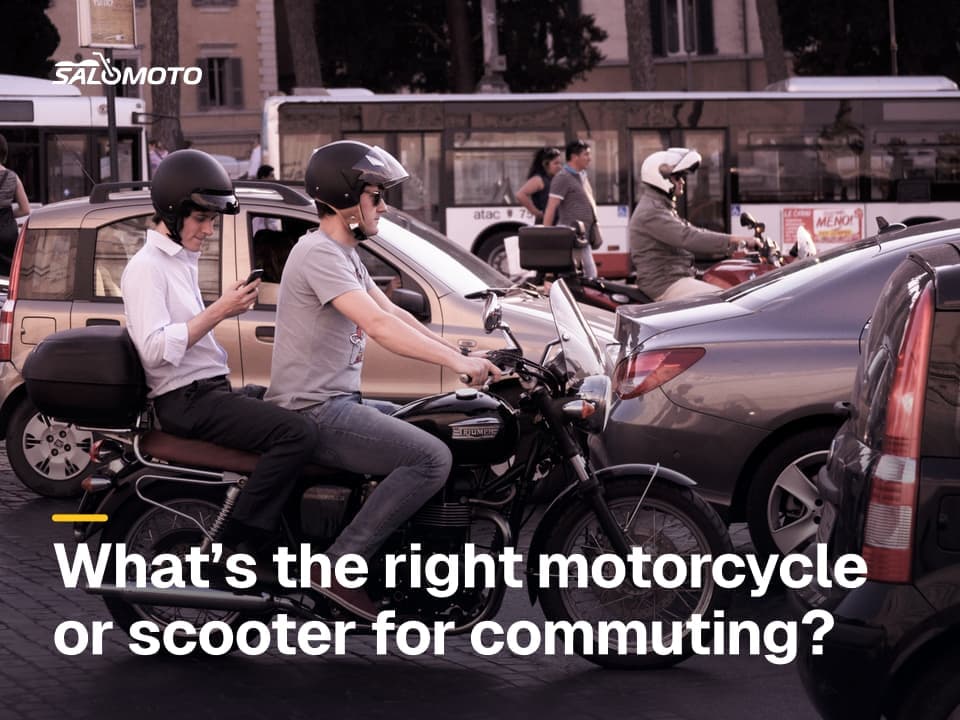
City: This is where a supermoto shines. Light, narrow, tall and with a big steering lock, it U-turns in a side street and lets you see over traffic. The trade-off shows at every stop, where the seat height asks more of your legs. For commuting as a whole, see choosing a commuter motorcycle.
Long rides: Big singles vibrate, especially at a steady cruise. A firm, narrow seat and no wind protection add up, and a small tank means you'll know every gas station on your route.
Passengers: Not every supermoto is set up for two; check for passenger pegs and the seat, and your state's rules. Texas, for instance, requires a bike designed for a passenger, with footrests and handholds. Even when it's allowed, the rear seat is usually short and high. More in two-up riding.
Luggage: Factory mounting points are rare. A tail bag or backpack is often the practical answer; see a motorcycle for travel and luggage.
Learn it where it belongs: tracks and schools
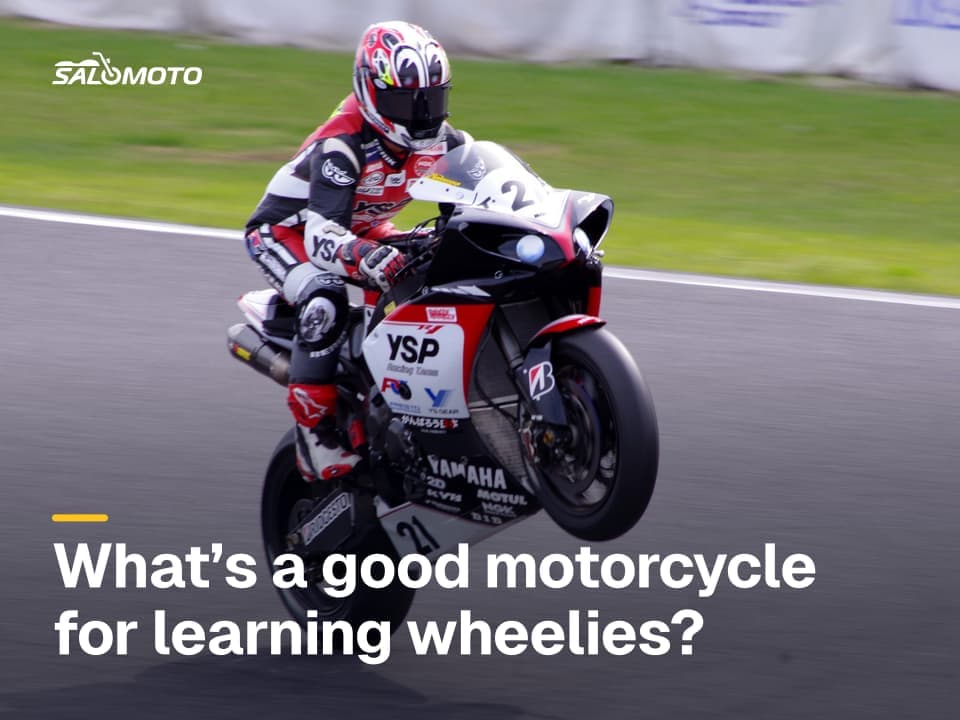
Sliding into corners and late braking, the things supermotos are built for, belong on a closed course. Supermoto schools and track days often run at kart tracks, with instructors who build skills in steps. Wear full protective gear, including armor and boots, even if the track looks small. None of this has a place on public roads. If wheelies are your goal, wheelie training covers the safe setting.
Test-ride checklist for a supermoto
- Seat height in your boots with the suspension sagged: how steady are you on a sloped spot? See a motorcycle for short riders
- Ride at least 30 minutes at a steady speed: when do your hands and feet start to tingle?
- The seat after an hour: still bearable?
- Bar width: does it clear car mirrors and fit your garage?
- Title and registration: is it plated for the street in your state?
- Maintenance schedule and receipts: intervals, last valve check
- Tank size: does the range cover your usual rides?
Legal information on this page refers to the United States, where rules vary by state.