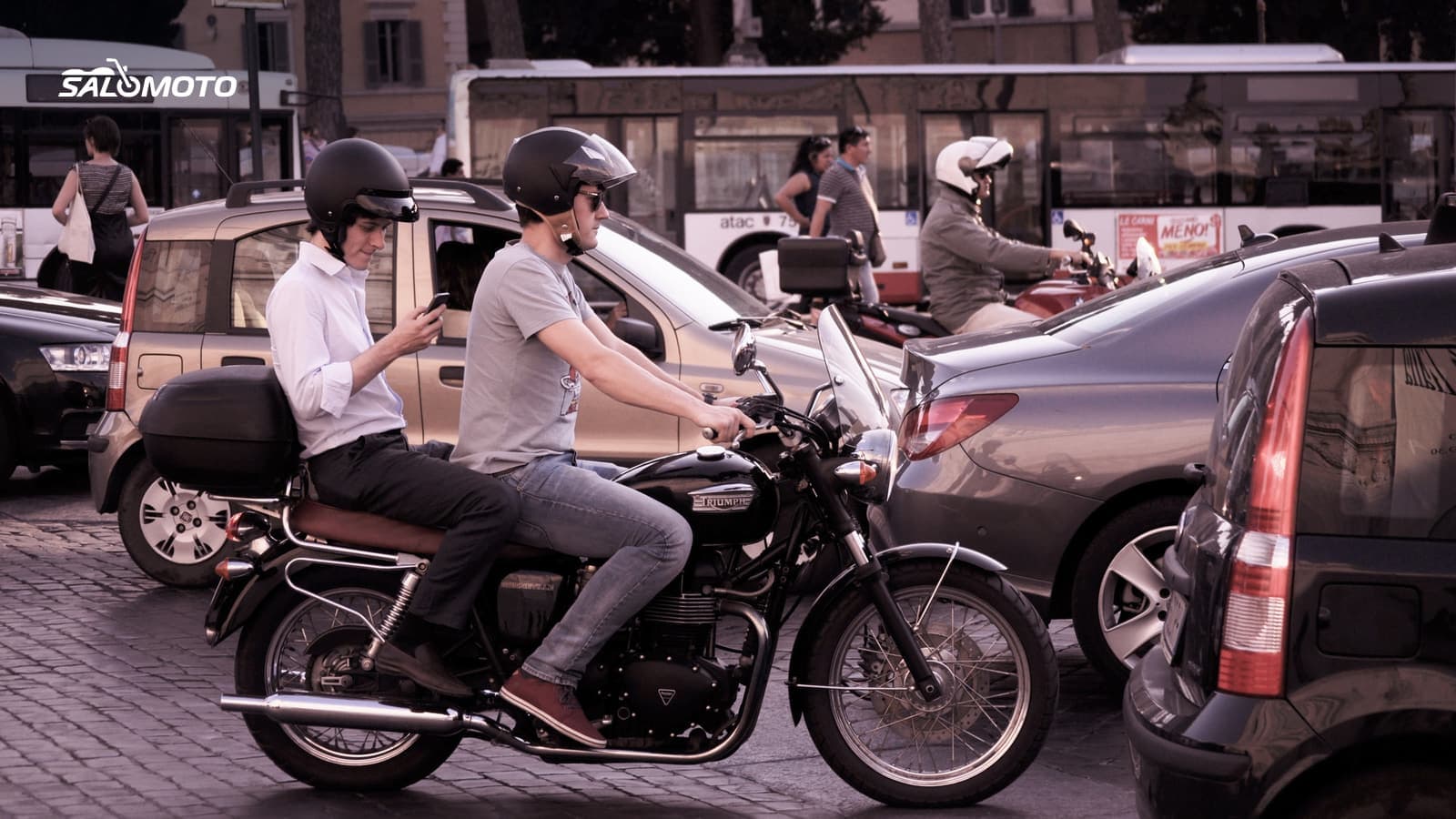
Start with your route, not the bike
Commuting isn't a Sunday ride. You cover the same roads twice a day, often at rush hour, with a bag, work clothes under your jacket and whatever weather the morning brings. So the choice starts with three questions: how far is it, what kind of roads are in between, and where does the bike sit during the day and overnight?
| Your commute | Often fits | Watch for |
|---|---|---|
| short, city streets only | 50cc or small electric scooter, 125–150 scooter | faster arterials you can't avoid |
| city plus arterials or a beltway | 125–300cc scooter or small motorcycle | enough power to keep pace with traffic |
| some freeway | midsize motorcycle or large scooter | wind protection, power for merging |
| long, mostly freeway | motorcycle or maxi scooter with a fairing | comfort every day, not just on one trip |
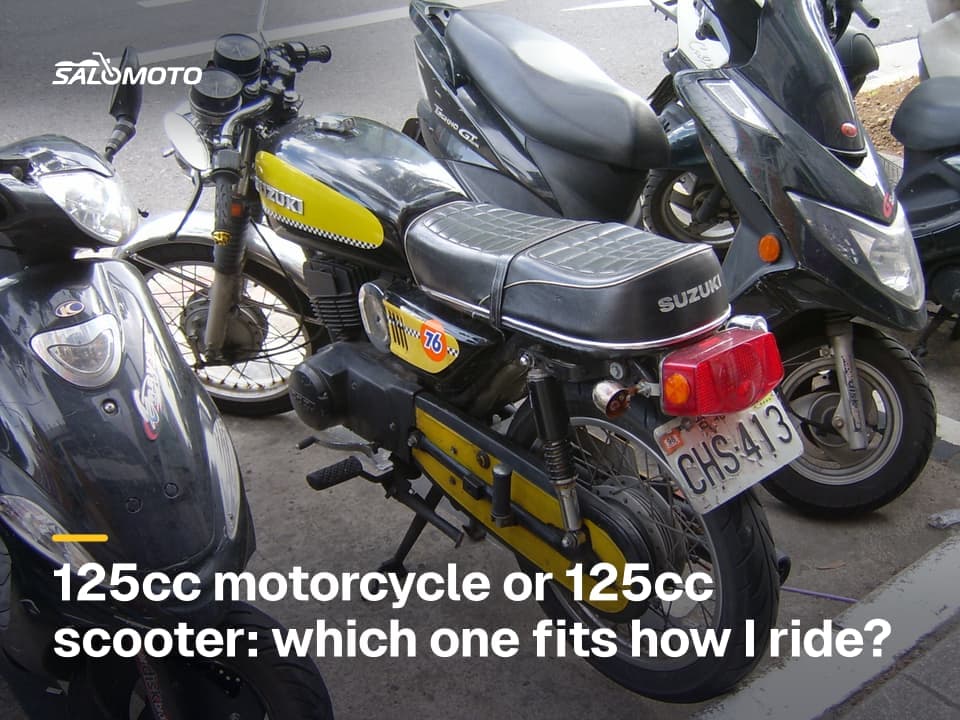
Licensing is set by each state, so check your DMV before you shop: what you can ride on which license explains the basics. New riders should also read their permit rules. In California, for example, motorcycle permit holders may not ride on the freeway, which can rule out a commute until you're fully licensed. Torn between a small motorcycle and a scooter? See 125cc motorcycle vs. scooter. If most of your miles are interstate, read choosing a highway motorcycle.
Traffic, lane splitting and carpool lanes
Rules for riding through congestion vary by state and keep changing:
- California defines lane splitting, riding between rows of stopped or moving vehicles in the same lane, in its Vehicle Code (§ 21658.1), which also lets the Highway Patrol develop safety guidelines for it.
- A handful of states, Utah and Minnesota among them, allow filtering past stopped or slow traffic under strict speed limits. As of November 2026, some of these laws are temporary and set to expire unless renewed.
- Everywhere else, assume riding between lanes is illegal and check your state's motorcycle handbook.
- Carpool lanes: federal law tells the authorities that run HOV lanes to allow motorcycles unless a specific facility is certified as a safety hazard, so a solo rider can usually use them. Express and toll lanes may have their own motorcycle rules.
Wherever you ride, stop-and-go traffic is where the bike shows its character. Look for an engine that's smooth at walking pace, a light clutch or a twist-and-go scooter (more in automatic vs. manual motorcycle), an upright seat that lets you see over cars, mirrors that show traffic instead of your elbows, and a cooling setup that doesn't blow engine heat onto your legs on a hot afternoon.
Helmet, laptop, rain and parking
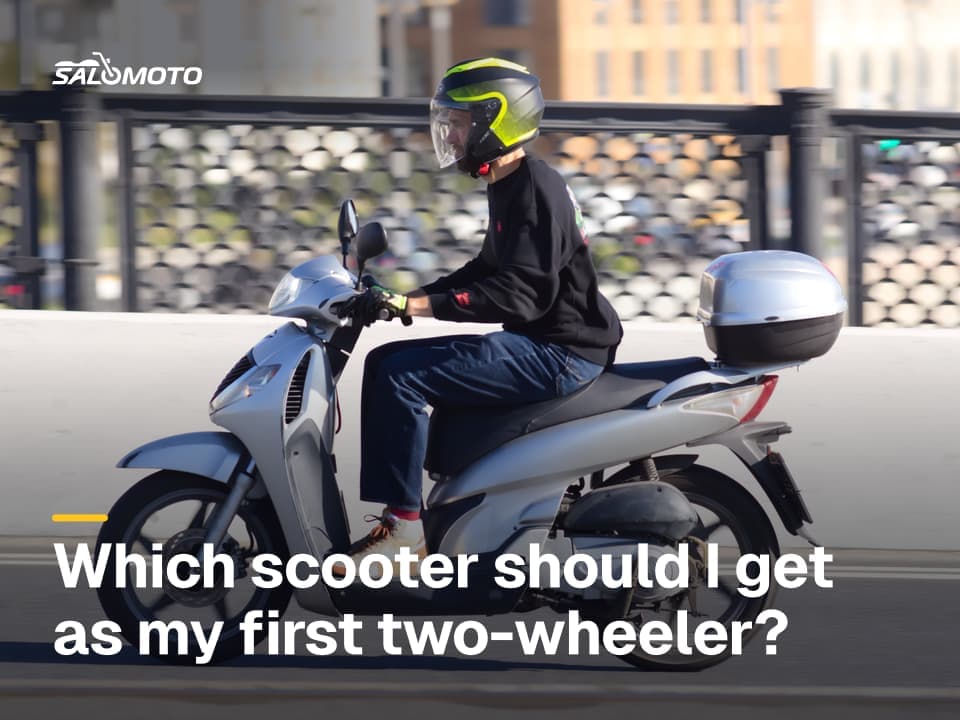
Storage: Most scooters have a compartment under the seat, but not every one swallows a full-face helmet. Test it with your own helmet, not the brochure. For a laptop, a lockable top case is usually nicer than a backpack. On a motorcycle that typically means adding a rack; options are covered in motorcycle luggage.
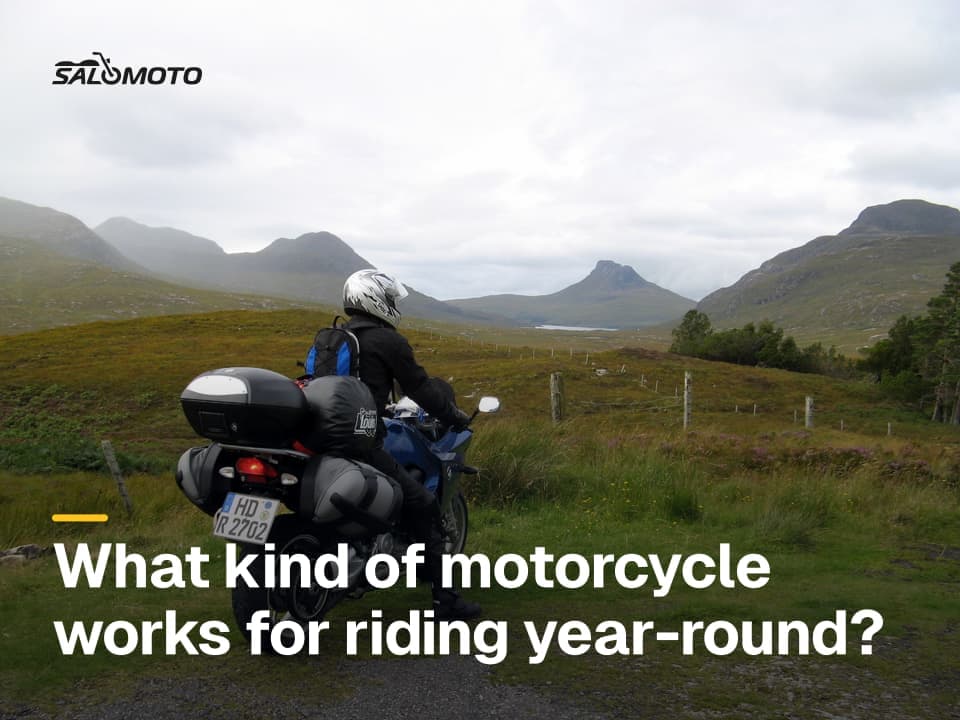
Weather: A scooter's leg shield and windscreen keep a lot of rain and wind off your pants and shoes. On a motorcycle, a screen, hand guards and heated grips help. Keep a rain suit on the bike, not at home. If you'll ride through winter, read riding year-round.
Parking: A heavy bike you have to back out of a tight spot every morning gets old fast; a light scooter on its center stand is parked in seconds. If it lives outside, budget for a solid lock and a cover, and ask your employer or building manager about covered motorcycle parking.
Daily cost and high-mileage upkeep
Run the numbers for your own route: round-trip miles divided by the bike's mpg, times the price per gallon, is your daily gas cost. For an electric, use its energy use per mile and your electricity rate, and figure out whether you can charge at home or at work, or need a removable battery. There's no federal tax credit for electric motorcycles in 2026; some states and utilities run their own rebates. For insurance and other running costs, see a motorcycle that's cheap to own.
Commuting miles pile up fast, which changes what matters when you buy:
- the service interval in miles and what each service includes
- the final drive: a chain needs regular cleaning and lube, especially in the wet; belts and shafts need far less attention; a scooter's CVT belt is a wear part with a set replacement interval
- tires and brake pads, which become routine expenses on a daily rider
- a shop near home or work, so a service doesn't cost you a vacation day
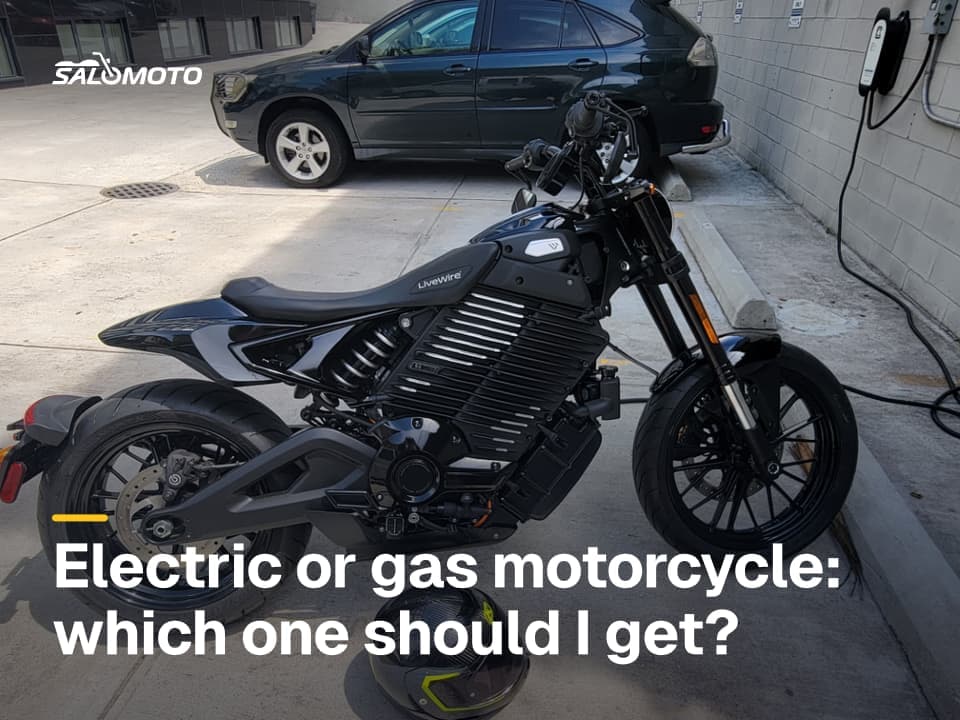
An electric skips oil changes and valve checks, but its range has to cover the round trip with margin, including on cold mornings. The full comparison is in electric vs. gas motorcycle.
Work-friendly gear and a test ride on your route
Helmet laws vary by state, and some states don't require one for adult riders. Wear a DOT-compliant helmet anyway, along with real protection on even a ten-minute commute. Gear that works with an office day: a textile jacket with armor, overpants over your work pants or riding jeans with armor, ankle-high riding shoes that look like sneakers, and gloves. A locker or a hook at work makes the change easy.
- Test-ride on part of your actual commute if you can, including its fastest road
- Put your own helmet in the storage compartment and close the seat
- Sit on the bike wearing your laptop bag or backpack
- Ride at walking pace: does it jerk, does your clutch hand tire?
- After a few minutes idling: where does the engine heat go?
- Put it on its stand and maneuver it the way your parking spot demands
- At the top speed of your route: how much wind hits your chest and helmet?
- Ask the dealer for the service interval and typical service cost
Legal information on this page refers to the United States, where rules vary by state.