Low miles change what matters
A commuter bike lives or dies by gas mileage, weather protection, luggage and service intervals. A weekend bike has a different job: it doesn't have to work every day, it has to make two days a week worth looking forward to. An engine with personality, a riding position that wakes you up, a look you still enjoy in the garage on a Wednesday night: on a leisure bike those aren't indulgences, they're the reason you'll actually ride. If looks are a big part of it for you, see choosing a stylish motorcycle.
Three things matter more than they would on a daily rider:
- Fixed costs: at a few thousand miles a year, insurance, registration and depreciation dominate the bill.
- Sitting time: the bike spends far more hours parked than ridden, and the battery, fuel and tires notice.
- Skills: a few dozen rides a year build routine more slowly than a daily commute.
Match the bike to your kind of weekend
Start with the ride you actually do most weekends, not the dream trip you take once a year.
| Your typical ride | What matters most | Often a good fit |
|---|---|---|
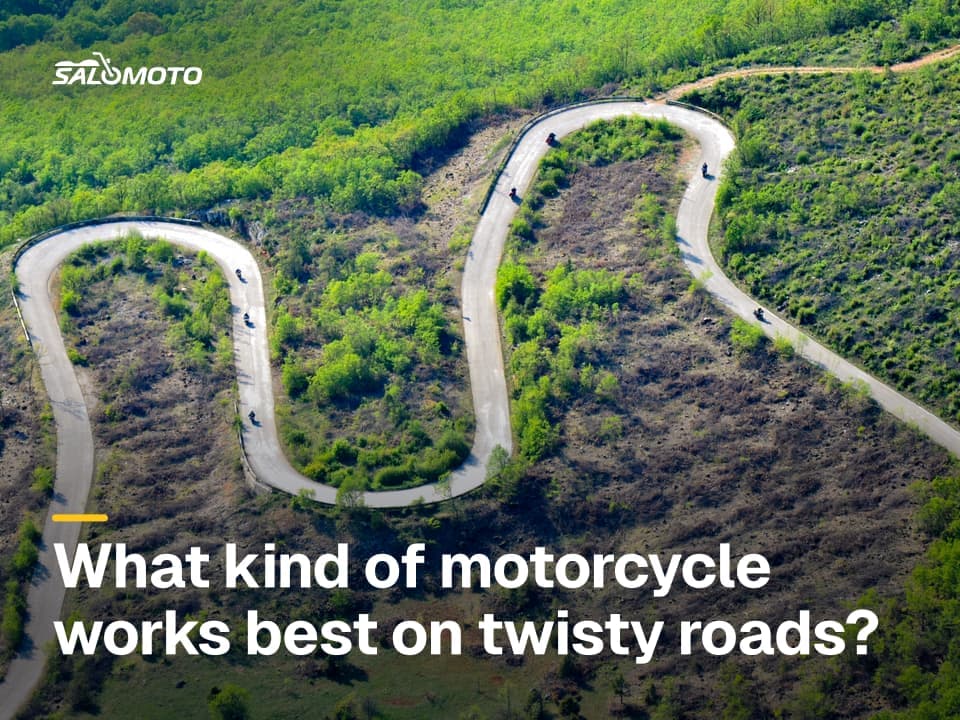
| Twisty back-road loop | light handling, strong brakes, clearance | naked bike, lighter dual-sport |
| Coffee run, short hop | character, relaxed seating, style | modern classic, cruiser, standard |
| Group ride | holding the pace without stress, gas range | middleweights of any style |
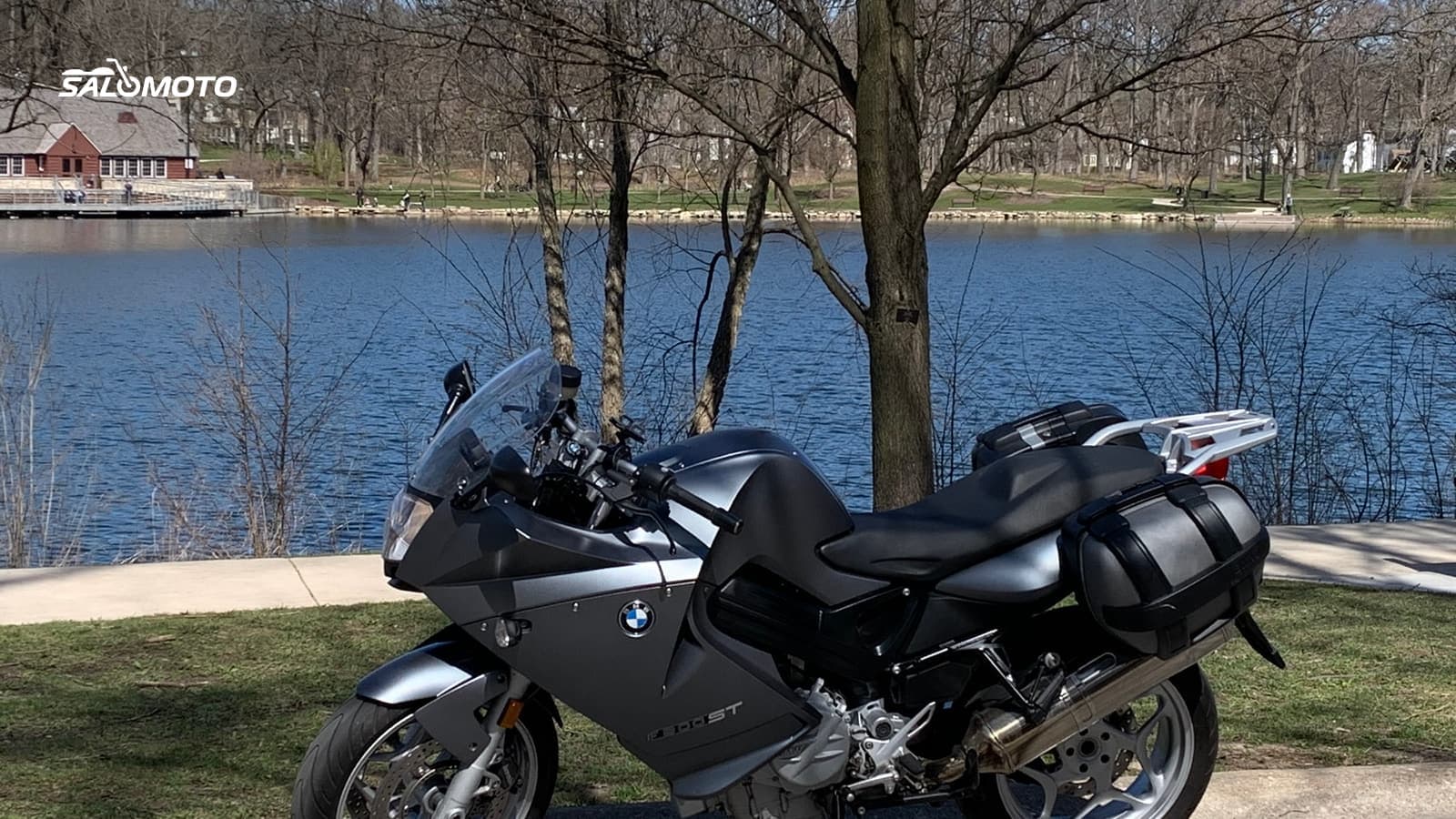
| Long day trip | wind protection, seat comfort, tank range | sport tourer, adventure bike |
| Often two-up | passenger seat, pulling power, suspension | touring bike, larger adventure bike |
Twisty-road handling gets its own guide in a motorcycle for twisty roads, and riding with a passenger is covered in motorcycles for two-up riding. Weekend riders rarely need luggage; if a long weekend away is on the cards, see a motorcycle for travel.
Fixed costs beat cost per mile
If you ride 2,000 miles a year, a thirstier engine barely shows up in your budget. What you pay whether or not the bike moves matters far more: insurance, registration and any inspection your state requires, plus depreciation, which keeps running while the bike sits. A pricey new bike loses value in the garage too.
So for the purchase, gas mileage is close to irrelevant, while the insurance rating and the price are not. Get an insurance quote for the exact model you're considering before you buy.
Rules for registration and insurance vary by state, so check your state DMV. Most states don't offer a seasonal plate. California's Planned Nonoperation status, for example, only applies when the vehicle isn't driven, towed, stored or parked on public roads for the entire registration year, which doesn't fit someone riding all summer. The full cost picture is in a cheap motorcycle to own, and insurance in cheap motorcycle insurance.
Sitting time: battery, fuel, tires
A weekend bike suffers more from sitting than from riding. Keep these in mind when you buy and between rides:
- Battery: short rides don't always top it up. A smart maintainer suited to the battery type (lead-acid, AGM or lithium) keeps it healthy for weeks.
- Parking spot: dry, ideally with an outlet. No power in your building's garage means pulling the battery and charging it indoors.
- Fuel: gas ages when it sits for long periods. Follow the owner's manual for storage; older carbureted bikes tend to be more sensitive than fuel-injected ones.
- Tires: they age even without wear. The DOT code ends in four digits giving the week and year of manufacture. If the tread looks great but the tires are old, have a tire shop look at them.
- Used bikes: low miles sound good, but long storage can leave its own marks. Ask about tire age, the battery and how the bike was kept.
Torn between new and used? See new or used motorcycle.
Keep your skills fresh with fewer rides
After winter, or after three rained-out weekends, you're rustier than you feel. That argues for a bike you can ride well without a warm-up period: predictable rather than twitchy, no heavier than you need, with ergonomics you settle into right away.
And on the riding side:
- Take the first ride of the season easy, and rebuild braking and looking through turns.
- Practice slow turns and stops in an empty parking lot before heading for the twisties.
- Book an MSF or state rider course refresher; an advanced course packs in a lot of practice.
- On group rides, ride your own pace and agree on it beforehand.
If you're still building basic confidence, see a motorcycle when you have little riding experience.
Legal information on this page refers to the United States, where rules vary by state.