What "occasional gravel" really asks of a bike
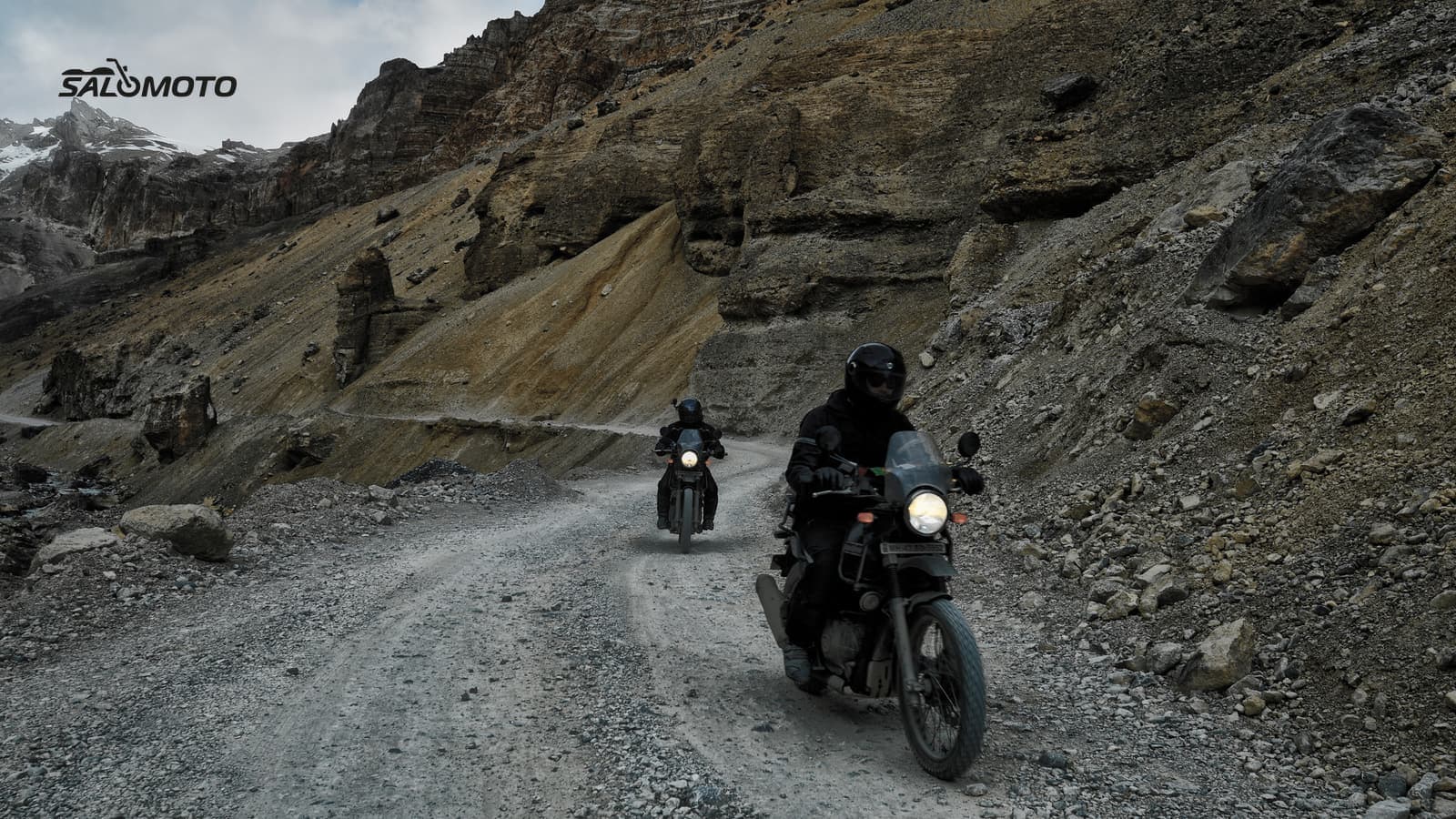
For most riders it doesn't mean single-track, mud or rocky climbs. It means a county gravel road between two paved ones, a graded forest road to a campground, the last miles to a trailhead, a construction zone on a mountain pass. You ride those slowly, hold your line, and sometimes have to stop or turn around on loose ground. You don't need the suspension travel of a competition bike for that. You need a bike that stays calm at walking pace, tires that don't skate on loose rock, and a riding position you can stand up from when the road gets rough.
So the honest question isn't "which category?" It's how much of your riding is really gravel, and how rough it gets:
- rare and smooth: almost any upright bike on suitable tires will do.
- regular, with washboard, ruts and loose rock: wheel size, weight and tires start to matter a lot.
- more like trails and mud: read which dual-sport fits you instead.
Four ways to make the compromise
| Type | Why it works | The catch |
|---|---|---|
| Scrambler | often light, wide bars, easy to live with | travel and ground clearance can be short |
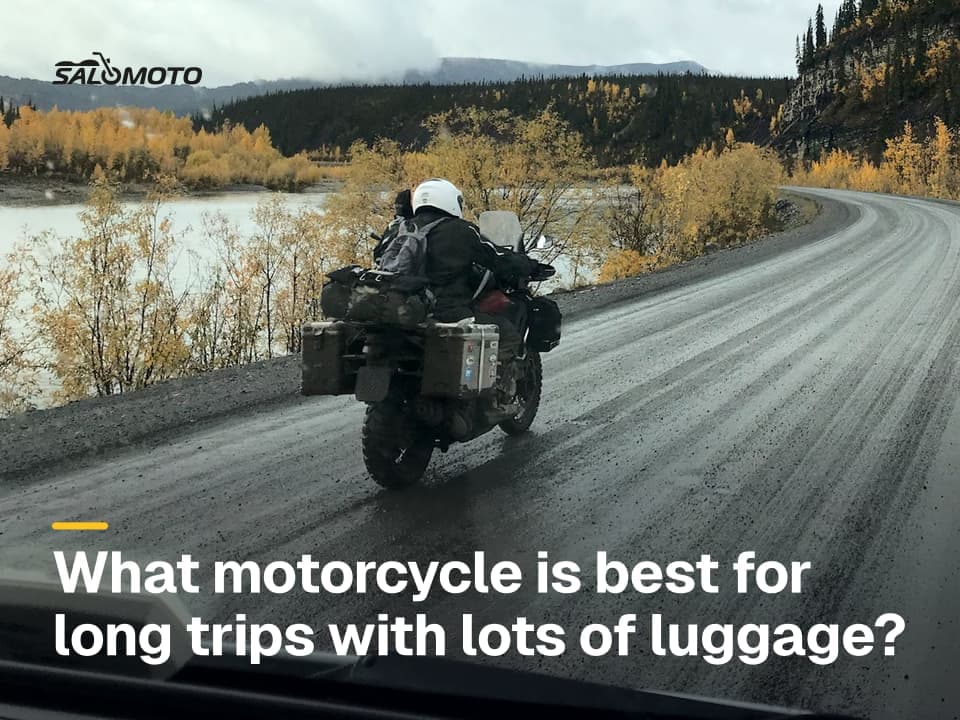
| Smaller ADV | wind protection, range, made for trips | taller and heavier than a scrambler |
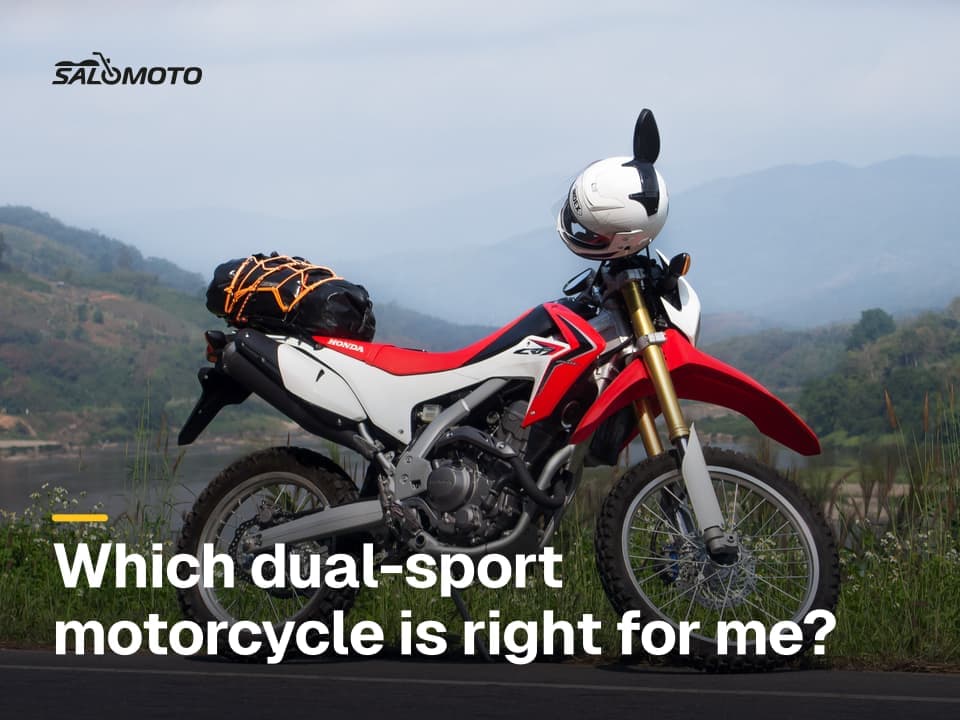
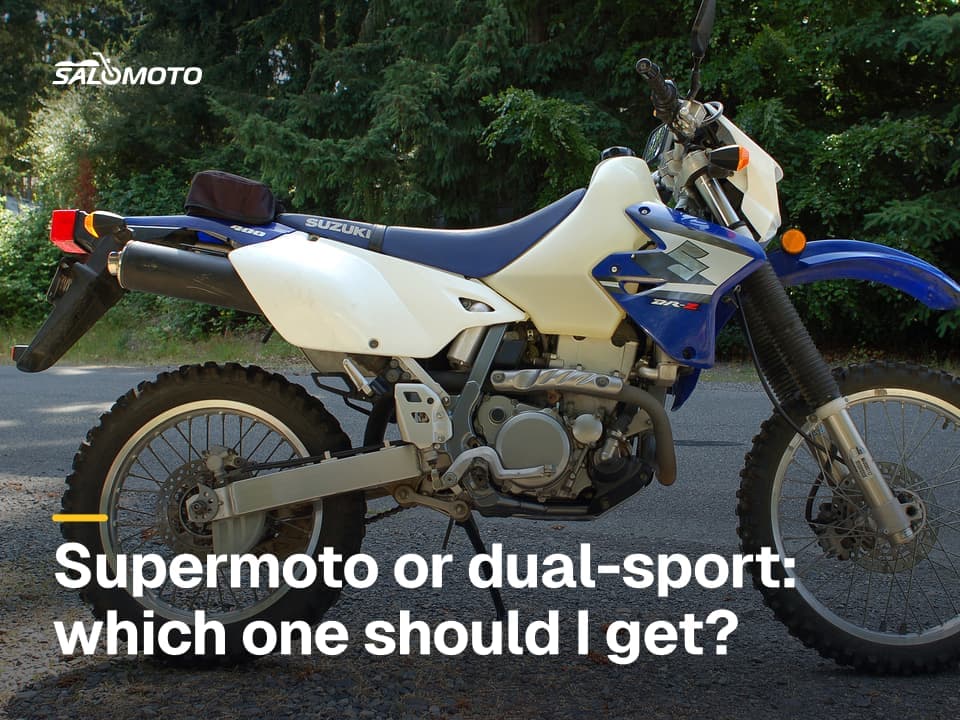
| Dual-sport | light, long travel, tough | tall seat, tiring on long interstate days |
| Standard or retro, new tires | you keep the bike you have | low clearance, limited tire choice |
None of these wins outright. A scrambler fits if you mostly ride back roads and treat gravel as a detour. A smaller ADV fits when longer trips are part of the plan; which size class is covered in choosing an adventure bike, and packing and luggage in a motorcycle for travel. A dual-sport fits when the gravel gets rougher and the interstate stays rare. If you're torn between a light single for town or for dirt, read supermoto vs dual-sport. And sometimes the best answer isn't a new bike at all, just different tires on the one in your garage.
Weight, standing and wheel size
Weight
On loose ground you feel every pound in the worst places: turning around on a narrow gravel road, stopping when your boot slides on rock, and picking the bike up. A lighter bike forgives mistakes; a high center of gravity with a full tank up top makes it top-heavy. Ask yourself honestly whether you could stand your bike back up alone.
Riding standing up
On rougher gravel, riders stand on the pegs: your legs soak up the hits, the bike can move under you, and you see further ahead. That only works if the ergonomics fit. Standing, the bars should be high enough that you aren't hunched over, the pegs roughly under your hips, and your knees able to grip the tank. Handlebar risers are a common fix, but cables and lines have to stay long enough, so have a shop do it.
Wheel size
A bigger front wheel rolls over rocks and ruts more easily, which is why dirt-oriented bikes often run a 21-inch front. A 19-inch front is the common pavement-and-gravel compromise; a 17-inch is precise on pavement but gets busier on rough gravel. For occasional, hard-packed gravel, a 19 or even a 17 works fine with the right tire.
Tires, protection and ABS
Tires
Tires matter more than the category. Makers and shops often describe dual-purpose tires with a split such as 90/10 or 70/30, roughly pavement to dirt. It isn't a standard, but it's a useful direction: for occasional gravel, a street-biased tire is usually the smarter choice, because big knobs grip less on wet pavement and wear faster. Converting a standard or retro bike? First check that a dual-purpose tire exists in your bike's size, carries the DOT marking and is approved by the tire maker for your model. Set pressures to the bike and tire maker's figures.
Protection
Crash bars, a skid plate under the oil pan and headers, and hand guards for the levers aren't adventure costume. They turn a tip-over at a standstill into a scratch instead of a repair bill, and they make picking the bike up easier.
ABS and riding modes
Many newer bikes have riding modes that change throttle response, traction control and sometimes ABS and suspension; some include an off-road mode. On some models you can switch off rear ABS for loose ground; the owner's manual says how. If you only ride gravel occasionally, a gravel mode or the regular street mode usually serves you well. Turning ABS off is something to learn in a course, not on your first gravel road.
Learn gravel before you need it
An off-road or gravel course on private ground is the fastest way to relax on loose surfaces: standing, looking far ahead, braking on dirt and picking the bike up. Training schools, some manufacturers and dealers, and riding clubs offer them, often with loaner bikes. You'll also find out whether a lighter bike would be more fun.
For the general test ride, use the first-bike checklist. For pavement and gravel, add:
- Stand on the pegs: can you reach the bars without hunching?
- Knees on the tank: can you steer the bike with your legs?
- Look at the stock tires: street or dual-purpose, and what sizes?
- If possible, turn around and stop in a gravel lot
- Riding modes and ABS: what can you change, and how?
- Ask which crash bars and skid plates are available for the model
Legal information on this page refers to the United States, where rules vary by state.