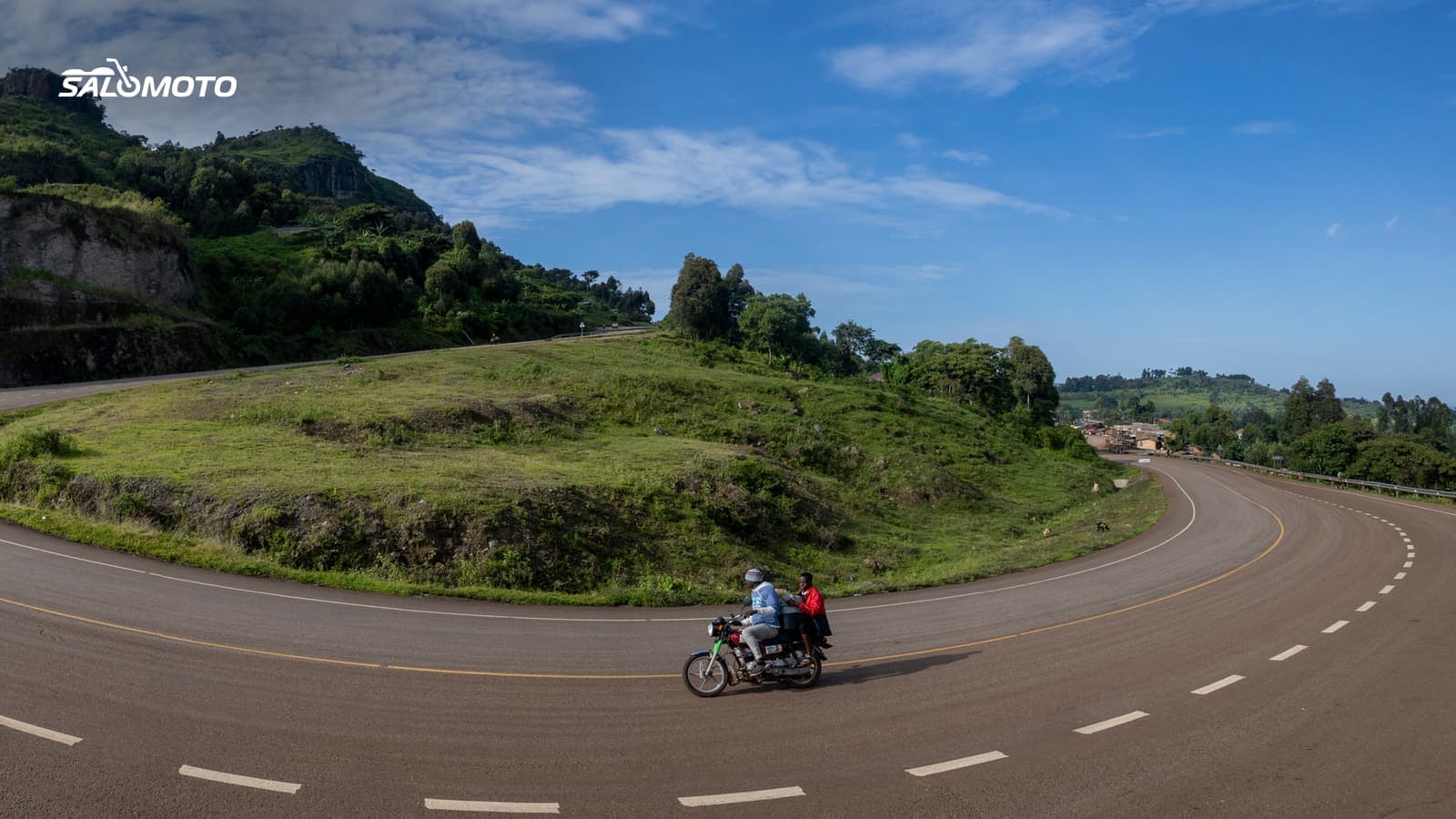
What a bike needs before anyone climbs on
Start with the basics: a real passenger seat, passenger footpegs, and something to hold on to. Some states spell this out; Texas, for instance, requires a bike carrying a passenger to be designed for one, with footrests and handholds. Beyond the minimum, these details decide whether your passenger enjoys the ride or counts the minutes:
- Passenger seat: length, width and padding. A narrow, hard perch high above your seat is fine for ten minutes, not for an afternoon.
- Peg position: high, rearset pegs fold the knees tight. Over time that's the most common complaint from the back seat.
- Grab rails: solid rails or a rack with handholds let your passenger brace under braking and acceleration without hanging on to you.
- Exhaust and heat: check where the pipes and muffler run. Your passenger's legs and boots shouldn't rest against anything hot.
Payload: the number on the label
Two people in gear add up fast. The limit that counts is the GVWR (gross vehicle weight rating) on the bike's certification label, which on motorcycles sits near the steering head. Federal rules require that label to show the GVWR and the axle ratings, so here's how to work out what's left:
- Read the GVWR off the label (or the owner's manual).
- Subtract the bike's real weight as you'll ride it: wet weight with a full tank, plus accessories like bags, crash bars and racks.
- Subtract your weight and your passenger's, each in helmet, jacket, pants and boots.
- What's left is your luggage allowance.
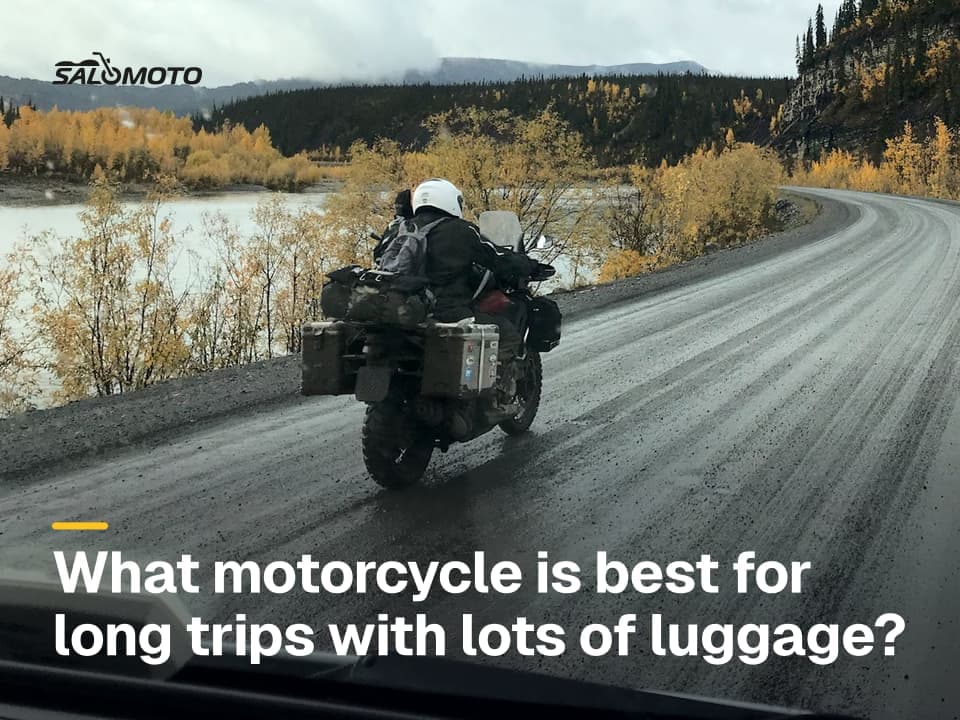
On some bikes that last number is small, which is exactly why it's worth checking before you buy. For bags, racks and packing, see motorcycles for travel and luggage.
Suspension, engine and brakes with two up
Preload
The extra weight lands mostly on the rear. The bike squats, the front gets light and steering feels vague and slow. The fix is more rear spring preload, plus more damping where it's adjustable. A hand knob or an electronic setting makes that a ten-second job; otherwise you need tools and the owner's manual. Set tire pressures to the manual's two-up figures, and check that the headlight doesn't now aim into oncoming traffic.
Low-rpm pull
A second person costs acceleration. An engine that pulls hard from low rpm stays relaxed two-up: hill starts, passing and merging onto the highway happen without constant downshifts. A small engine that needs revs to make power works much harder with two aboard.
Braking
Stopping distances get noticeably longer with a passenger. Every stop also slides your passenger forward, and helmets clack if they're not ready for it. Brake earlier and more progressively, and practice a few stops together in an empty lot before your first real ride.
Keeping your passenger comfortable
Your passenger usually sits higher than you and catches more wind and buffeting, especially behind a windshield set for the rider. They also get cold and tired sooner because they have nothing to do. For wind protection on long highway stretches, see motorcycles for highway riding.
Agree on the ground rules before the first ride:
- Climb on only when you say you're ready and are holding the bike steady.
- Lean with you in turns, look over your inside shoulder, and never lean against the bike.
- Keep both feet on the pegs at stops.
- Agree on signals, such as one tap on the shoulder for slow down and two for stop. A helmet intercom makes this easier.
Which motorcycle types work best two-up
| Type | For the passenger | Watch out for |
|---|---|---|
| Touring bike | big seat, often a backrest, lots of shelter | heavy at parking-lot speeds |
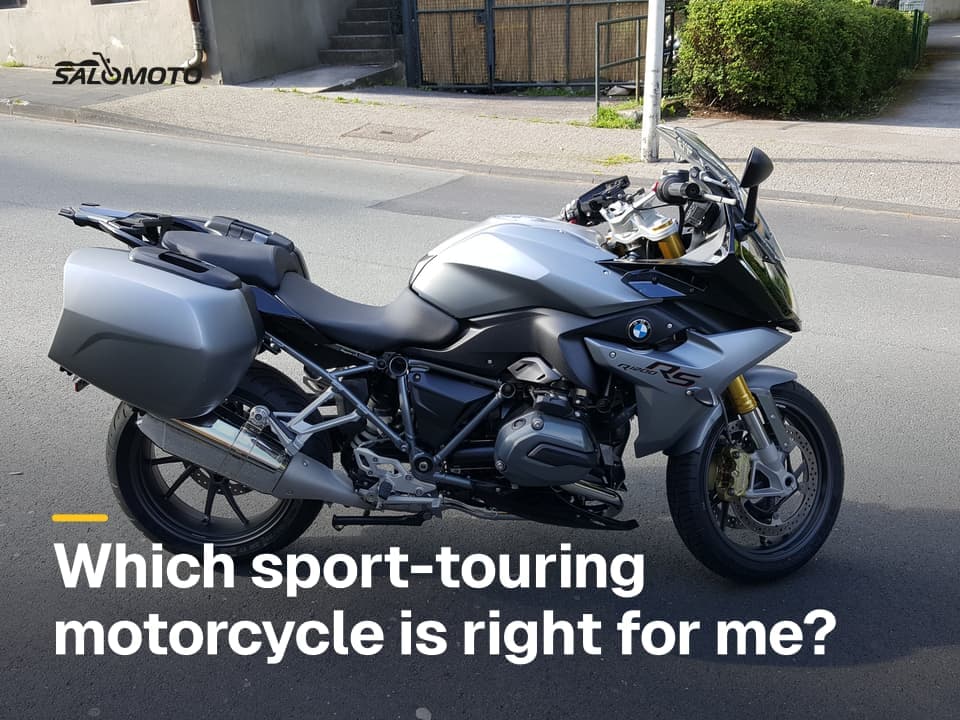
| Sport tourer | decent room, good wind protection | passenger space varies a lot by model |
| Adventure bike | upright, usually good rails, long travel | tall for both of you to mount |
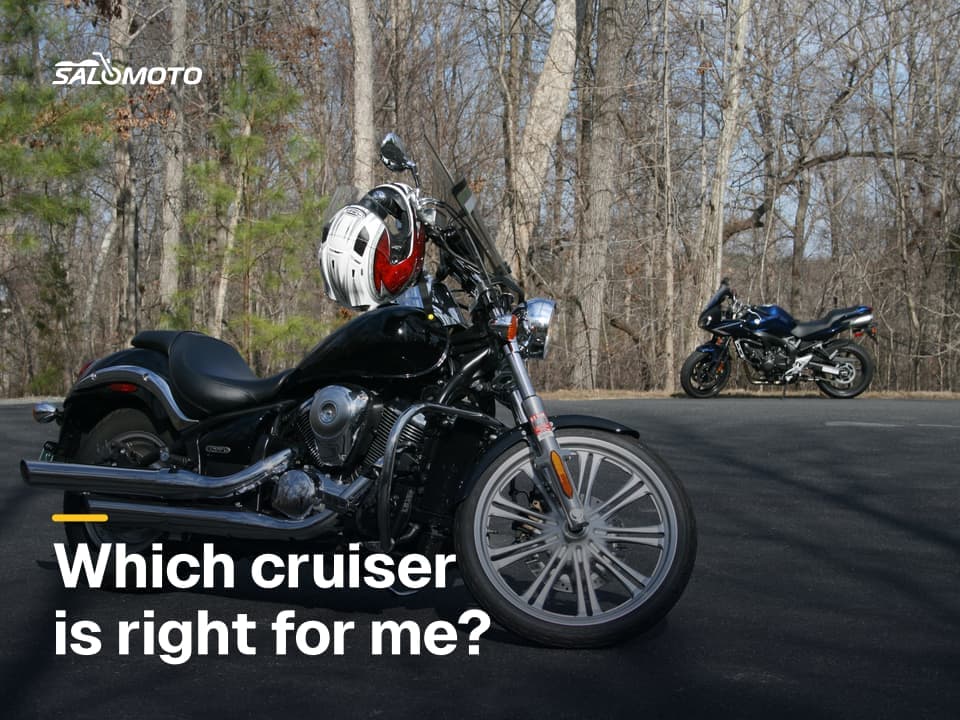
| Cruiser | low, relaxed for the rider | small passenger pad, sissy bar extra |
| Naked bike | fine for short rides | little wind protection, short seat |
| Sportbike | more of an emergency seat | high pegs, little to hold |
More on the categories: sport-touring motorcycles and cruisers.
Passenger laws and a two-up test ride
If you can, test-ride together and check:
- Does the payload under the GVWR cover both of you in gear?
- Can your passenger climb on easily and reach the pegs securely?
- Are there handholds they can actually use under braking?
- Can you adjust rear preload without a toolbox?
- Does the engine pull away on a hill without drama?
- How does the wind feel on the back seat at your usual road speeds?
- After half an hour, ask honestly: what hurts, and what's cold?
For the general test-ride checklist, see choosing your first motorcycle.
Legal information on this page refers to the United States, where rules vary by state.