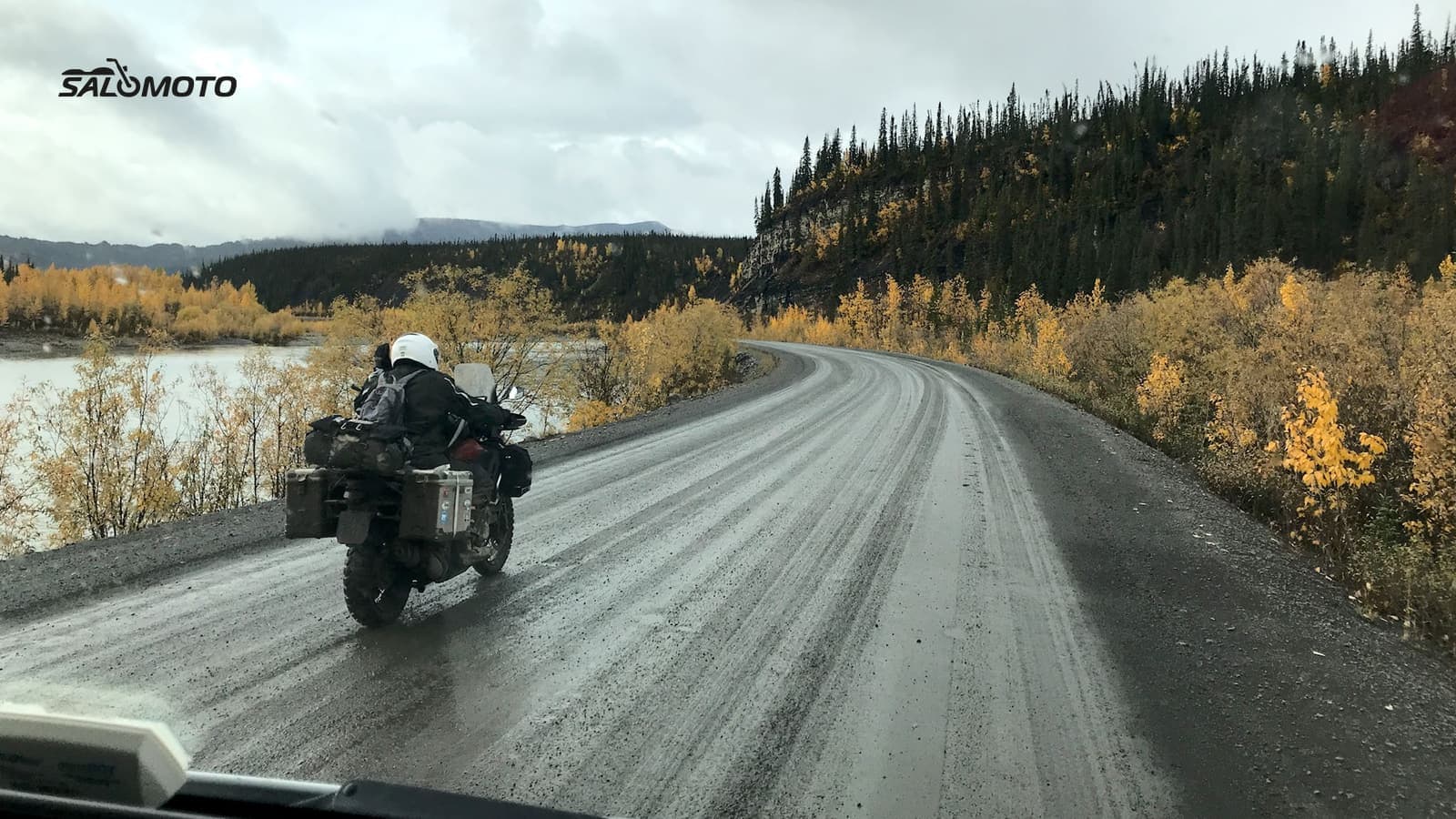
Start with the math: how much can your bike carry?
Before you shop for bags, do the weight math. Payload is the gap between the gross vehicle weight rating (GVWR) and what your bike actually weighs ready to ride. Federal rules require the manufacturer's certification label, mounted near where the handlebars meet the steering head, to show the GVWR and a gross axle weight rating for each axle. Treat the GVWR as a hard ceiling, not a suggestion.
Everything below comes out of that payload:
- you, in helmet, jacket, pants and boots (riding gear adds more pounds than people expect)
- racks, case mounts, crash bars and other accessories that weren't on the bike when it was weighed
- the empty cases themselves
- clothes, tools, water, snacks and camping gear
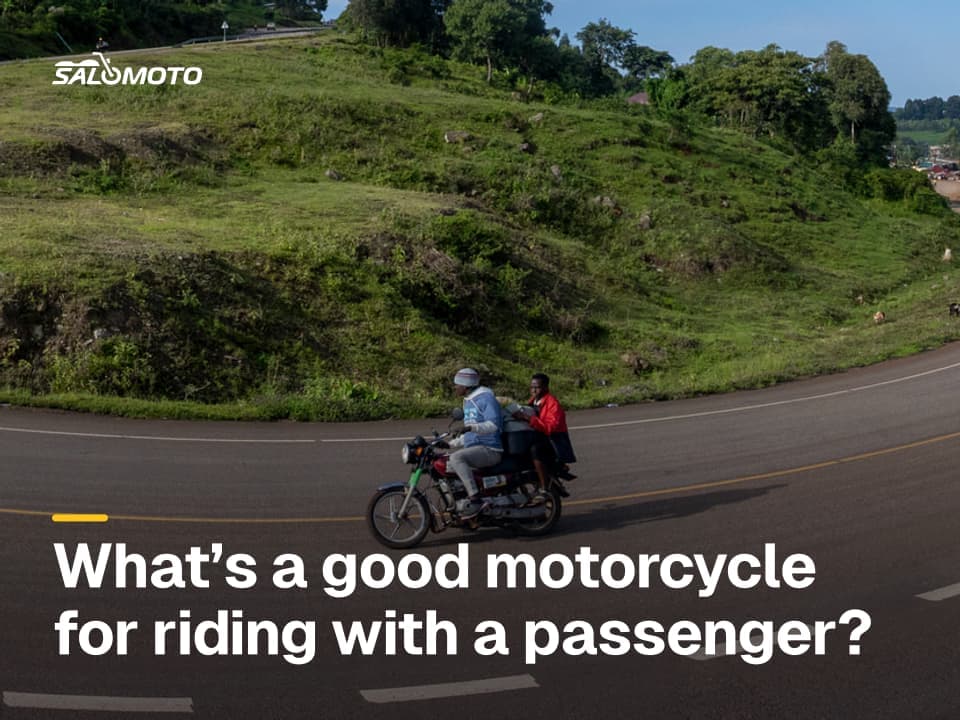
- a passenger and their gear; what that means for seat and suspension is in Motorcycle for two-up riding
Some bikes leave plenty of room solo; on others, two people and full bags reach the limit fast. For the real number, weigh the bike yourself, gassed up with accessories fitted: put the front and then the rear wheel on a bathroom scale and add the two readings. Tires have their own limit too: federal rules require each sidewall to show the maximum load rating and inflation pressure.
Hard cases, soft bags, top case: what goes where
| System | Strengths | Watch for |
|---|---|---|
| Hard saddlebags | lockable, weatherproof, keep their shape | need racks, make the bike wider |
| Soft saddlebags | light, often no fixed rack | less theft-proof, check waterproofing |
| Top case (trunk) | holds a helmet, quick to remove | sits high and far back |
| Tank bag | essentials within reach, weight forward | mustn't block steering or your view |
| Tail bag or dry bag | simple, flexible, sits low | strap it down so it can't shift |
The loading rule: heavy items low, centered and close to the bike's center of gravity; light, bulky items higher and farther back; both saddlebags roughly equal. Luggage systems have their own limits. One European luggage maker recommends about 22 lb (10 kg) per hard side case and only 7 to 11 lb (3 to 5 kg) in a top case on its racks, varying by model. The binding figure is in your rack's instructions.
What a full load does to the way the bike rides
Nearly all the weight of a passenger and a luggage system sits on the rear axle. The rear squats, cornering clearance shrinks and the bike responds more slowly to line changes. Wide cases and a heavy top case add to that, especially in crosswinds and over bumps.
Suspension and tires
Add rear preload and, if your shock allows it, more damping. Set tire pressure to the full-load figure in the owner's manual. On a travel bike, a preload adjuster you can reach without tools is a real selling point.
Speed limits for luggage
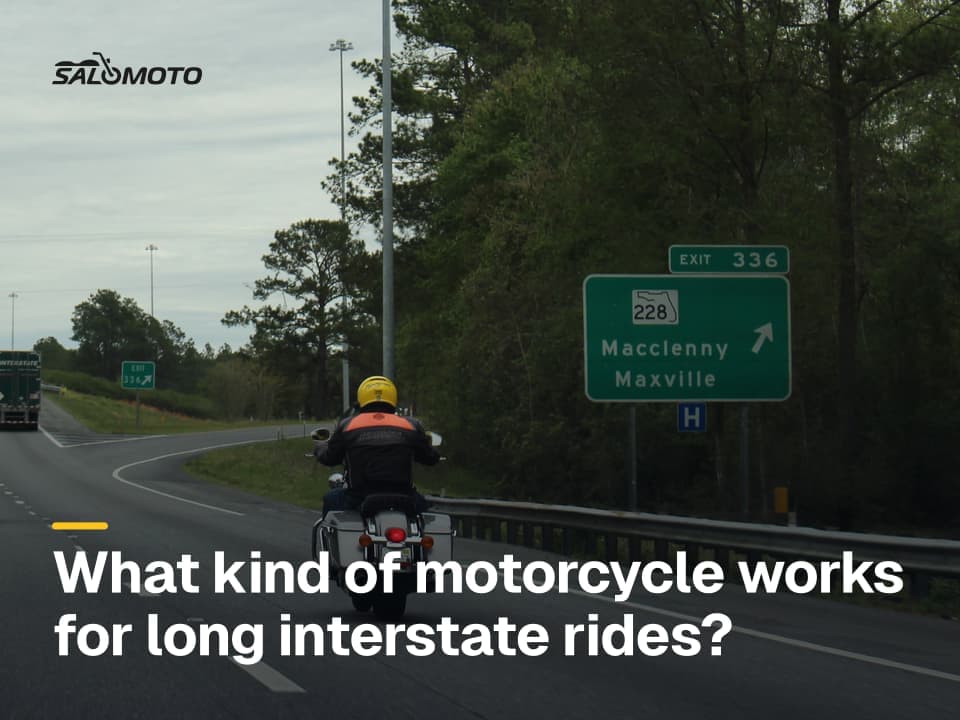
Many luggage makers state a maximum speed for their systems; the maker quoted above gives 130 km/h, about 80 mph, once its luggage is fitted. Check the label or manual for yours. For long interstate days in general, see Motorcycle for highway riding.
Subframe and racks
Not every rear end is built to carry weight. On sportbikes and some light bikes, the subframe is designed around a rider and a seat, not cases plus a passenger. Check whether racks exist for your model from the factory or established accessory brands, and read their load ratings. If there aren't any, soft bags over the seat are often the gentler option.
Range, comfort and keeping it running on the road
Think in miles between gas stops, not tank size. Load, headwinds and interstate speeds cut range noticeably. In remote areas, mountains or late at night, plan stations ahead and fill up one stop early.
A seat that feels fine for two hours can hurt on day three. Check knee angle, weight on your wrists and whether the windscreen sends clean air to your helmet or buffets it. Cruise control, heated grips and a power outlet aren't essential, but they make long days easier. How comfortable or sporty a sport tourer is set up is covered in Sport-touring motorcycles.
Before and during the trip:
- Tires: start with enough tread for the whole route; finding the right tire on the road takes time.
- Chain: lube it regularly and check slack. Too tight wears it faster, so have a helper check slack with the bike fully loaded.
- Shaft drive: little roadside care, but keep to the service schedule.
- Service: if one is due mid-trip, do it before you leave.
- Repair kit: matched to your tires, tubeless or tube-type.
Which bikes travel well, and how to pack light
| Type | Travel strengths | Trade-offs |
|---|---|---|
| Touring bike | lots of storage, wind protection, two-up | very heavy to maneuver |
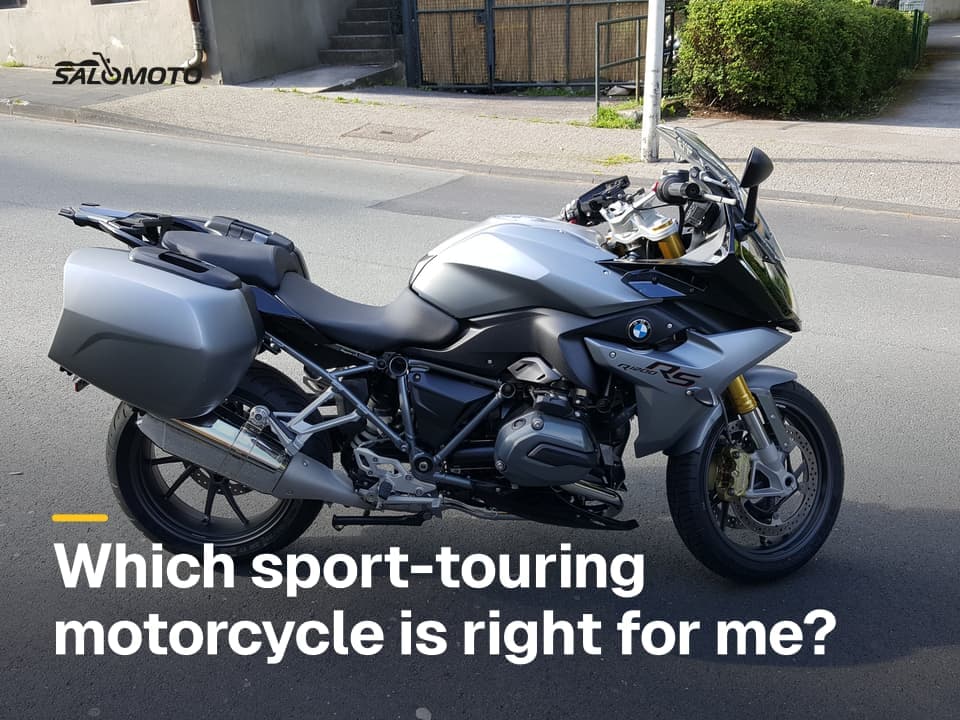
| Sport tourer | wind protection, often case-ready | riding position can be sporty |
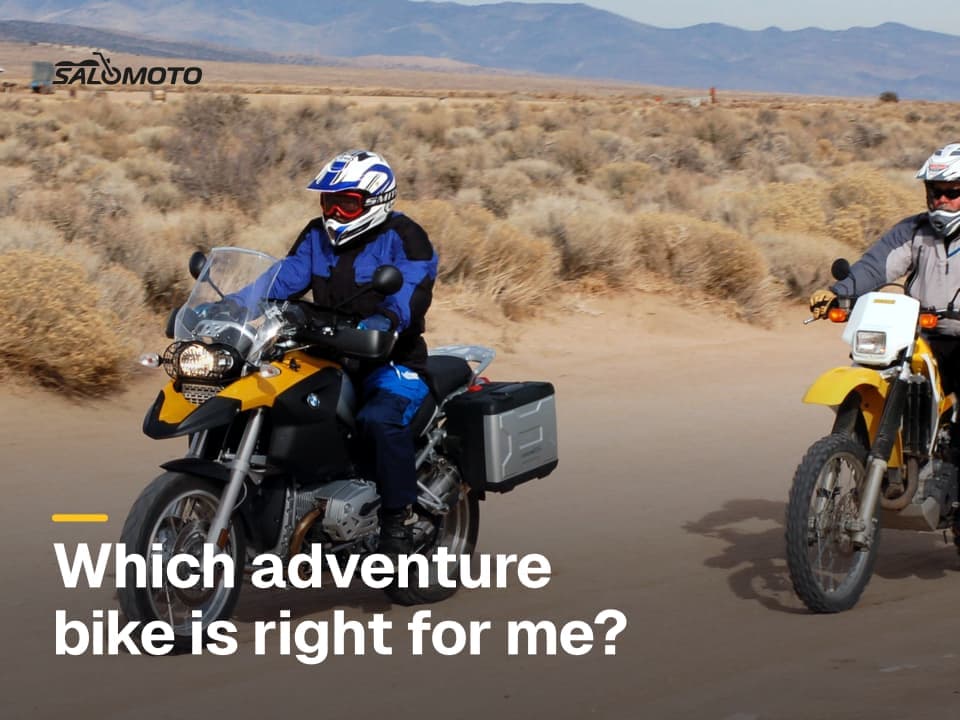
| Adventure bike | upright, long travel, handles gravel | tall, heavy when loaded |
| Standard, retro | light, easy to handle | little weather protection, small racks |
| Cruiser, bagger | low seat, relaxed engine | limited cornering clearance loaded |
| Small-displacement | light, frugal | little payload, long days are tiring |
Bigger doesn't automatically mean better for travel: a heavy bike with full cases turns gravel pull-outs and tight motel parking lots into work. Whether an adventure bike fits your routes is in Adventure bike: middleweight or big ADV?.
Packing light is the best suspension setting:
- Trim your list after every trip: what you didn't use stays home
- Quick-dry clothing you can wash in the sink instead of one outfit per day
- Rain gear and tools on top, within reach
- Weigh all your bags once and compare against your payload
- Before you leave, ride a familiar route fully loaded and watch for scraping, braking and shifting bags
Legal information on this page refers to the United States, where rules vary by state.