Start from the bike you own, not the dream bike
Most guides ask the question the other way around: which motorcycle fits the riding you want to do? That's the right question before you buy, and it's answered in which motorcycle for which riding. This page is about what comes after. The bike is in the garage, and the ride should fit the bike.
That sounds obvious, yet it's the most common planning mistake. Riders copy routes, daily mileage and pace from people on very different machines. A sportbike on an all-day interstate slog, a heavy adventure bike on a tight mountain lane, a 50cc scooter on a road it isn't allowed on: in each case the bike isn't the problem, the plan is.
Five traits that shape your route
| Trait | What it limits | What you plan around it |
|---|---|---|
| Wind protection and ergonomics | interstate time, time in the seat | leg length, break rhythm, road type |
| Power in reserve | climbs, passing, carrying a load | elevation, road type, luggage |
| Range | distance between gas or charging | stops from your own mpg, with margin |
| Suspension and tires | surface, gravel, rough pavement | check surface, legal roads only |
| Weight and load | tight turnarounds, parking, passenger | turnaround spots, roomy stops |
Run through the table once for your own bike and write one sentence per row. For example: "My wrists want a break after about an hour," "The wind gets tiring above 70 mph," or "Loaded up, it struggles on long grades." Those sentences are your planning profile. How far you can realistically go in a day follows mostly from them, as covered in how far to ride in a day.
Which roads suit which bike
Small bikes: 125s, scooters and Vespas
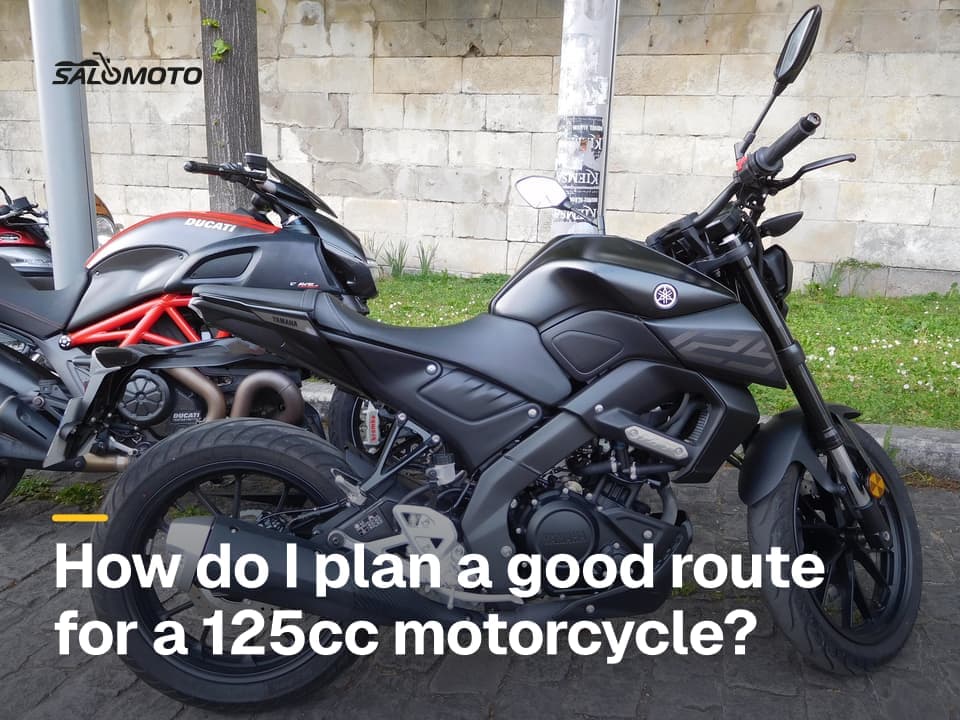
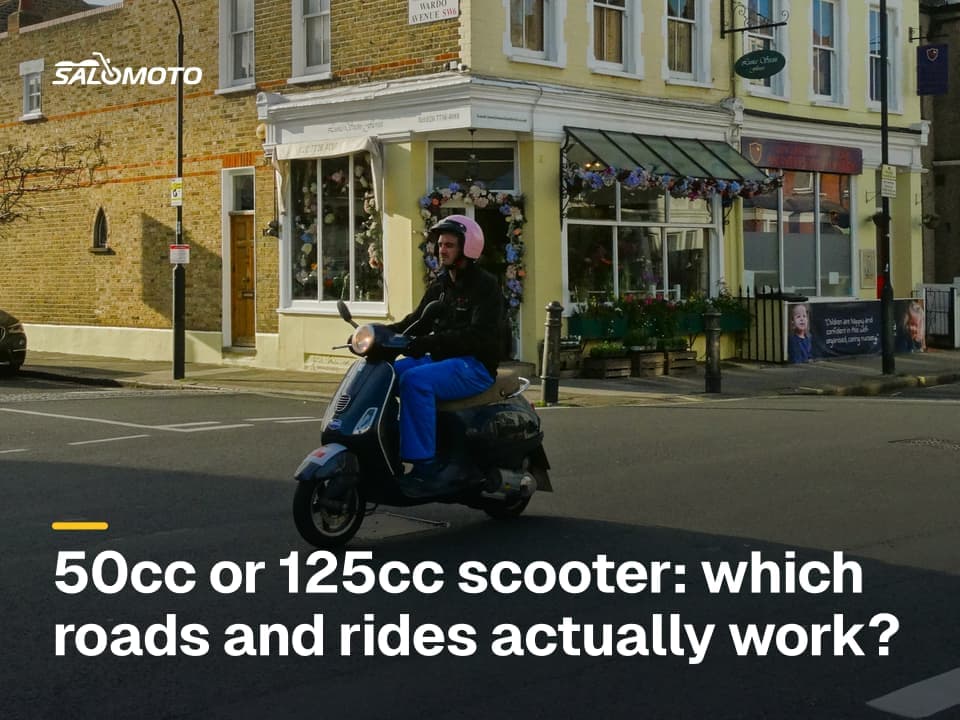
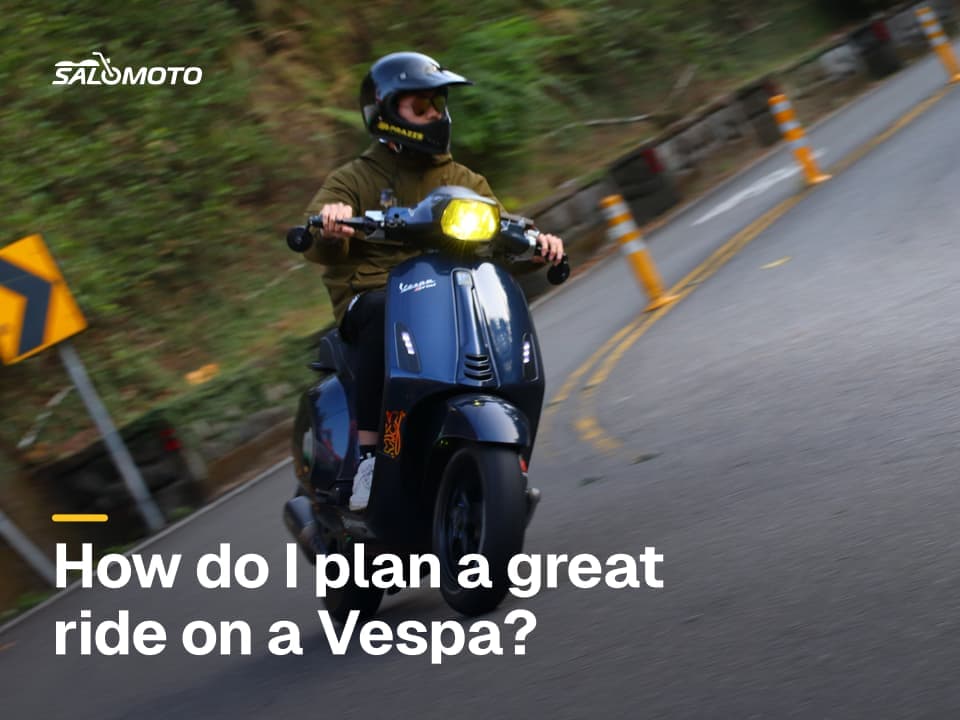
Here power in reserve, and for some vehicles the law, decide which roads are even an option. A 125 is at home on twisty two-lanes and treats long climbs with respect, as explained in planning a ride on a 125cc motorcycle. With scooters, the class changes everything: a 50cc scooter and a 125cc one live on different roads, as 50cc vs. 125cc scooter rides shows. For a relaxed Vespa day, short legs and plenty of stops are the plan, covered in Vespa ride planning.
Street bikes: standards and sportbikes
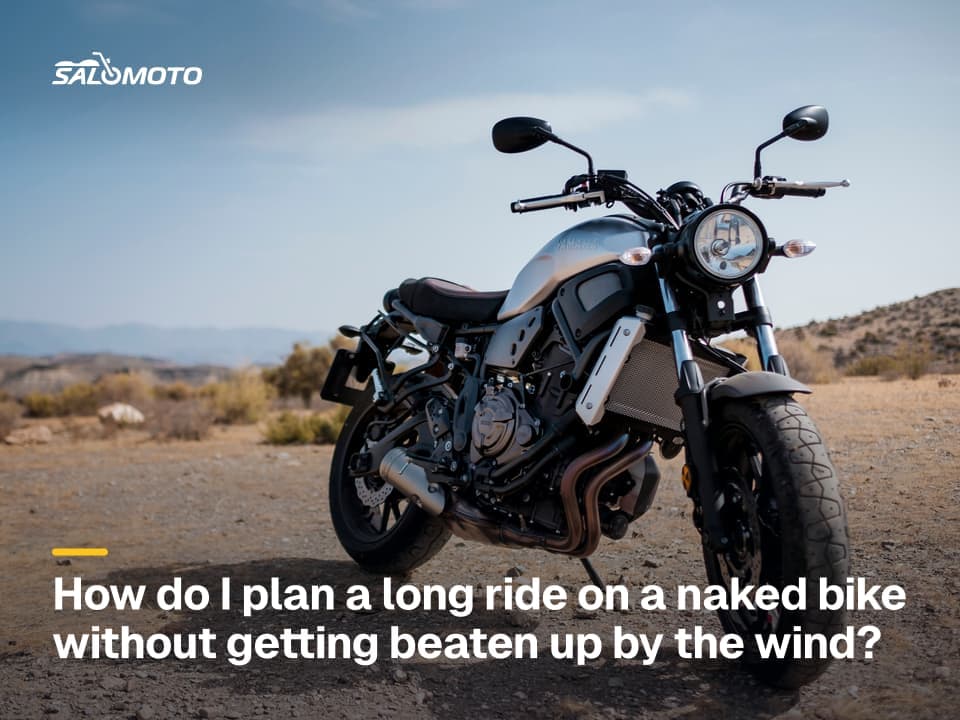
A standard, or naked bike, is at home on back roads but loses its charm on long interstate stretches, where the wind works on your upper body. How to plan long back-road days on one is in touring on a naked bike. A sportbike wants shorter legs and more frequent breaks because the riding position loads your wrists and neck, and the track and the street stay separate worlds, as sportbike touring routes explains. Cruisers sit the other way: an easy seat and relaxed engine suit scenic highways, while limited lean angle and weight make very tight roads less fun.
Off smooth pavement: adventure bikes and supermotos
An adventure bike can combine pavement with gravel roads that are legally open to motor vehicles, as long as you check access first. The method is in adventure bike route planning. A supermoto loves short, twisty sections but often pairs a small tank with a hard seat, so you plan it in short loops, as in supermoto ride planning.
Electric motorcycles: range and charging first
On an electric bike, range, temperature and speed shape the route more than on any gas bike. Chargers, how you access them and how long a charge takes belong at the start of the plan, not the end. Everything on that is in electric motorcycle trip planning.
From bike to route in five steps
- Write your planning profile: the five sentences from the table, honest and from experience, not from the spec sheet.
- Choose road types: back roads, highways or interstate, depending on wind protection and reserve. To route around fast roads on purpose, see routes that avoid highways.
- Set legs and stops: by your break rhythm and real range, with margin.
- Check elevation and surface: spot long climbs, tight switchbacks and unclear surfaces before you leave.
- Ride a test loop: a short ride on the same pattern shows whether your profile holds up.
What the Salomoto route planner can do here
Salomoto doesn't plan routes in the US: the Salomoto route planner covers routes within Germany, free and without an account. It doesn't ask what you ride, so you translate your planning profile into its settings yourself: the fast, touring, curvy or very curvy profile, avoiding motorways, tolls or ferries, and stops spaced by your range. The elevation profile shows climbs, and the riding time is estimated without breaks. Salomoto doesn't show gas stations or chargers, and it doesn't find the best twisty roads for you. The planner always skips known unpaved roads, so gravel sections aren't something you plan with it. Download the finished route as a GPX file and load it onto your GPS.