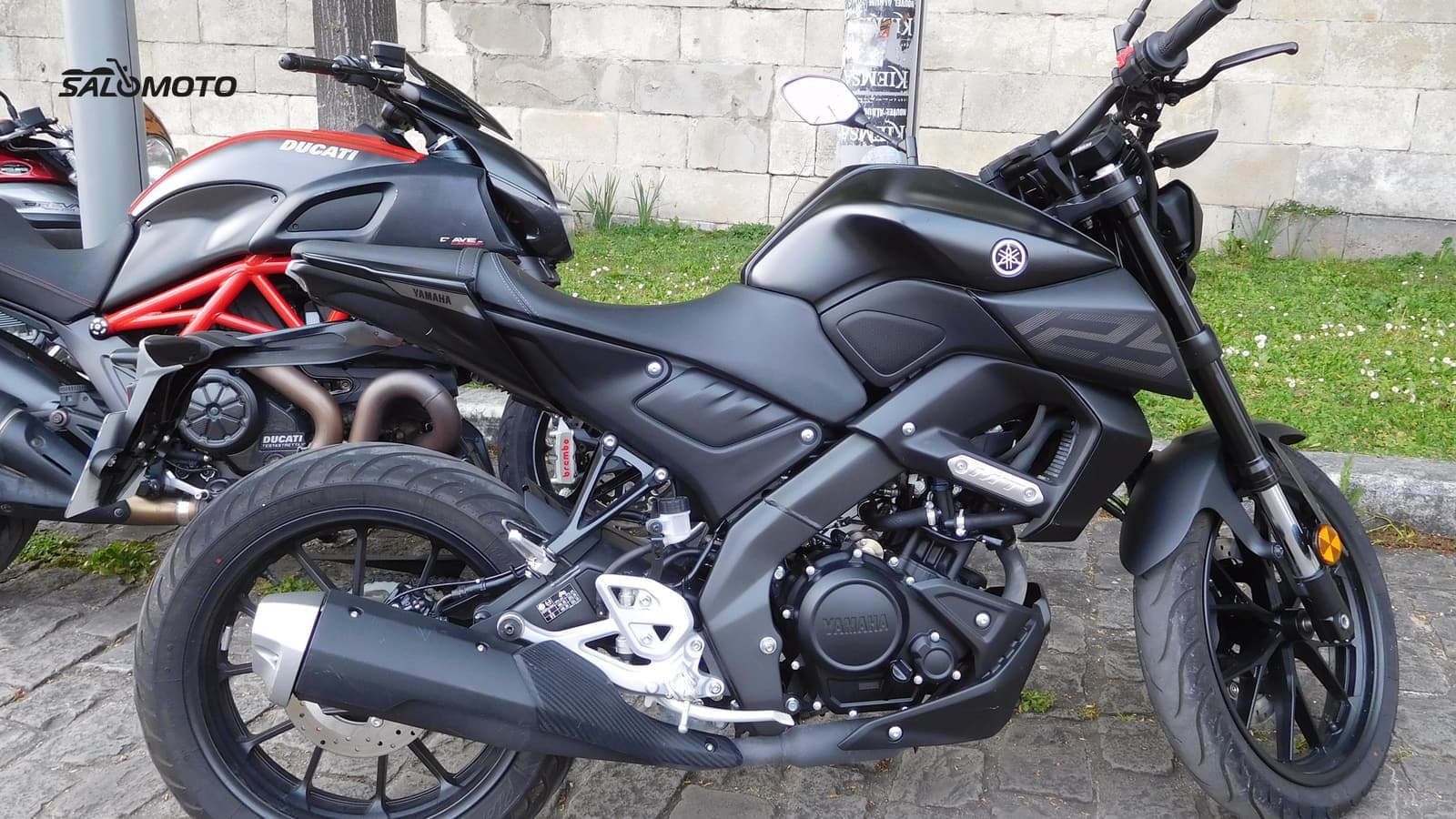
What a 125 changes about your ride
A 125cc motorcycle isn't slow so much as short on margin. On a back road it keeps up with traffic just fine. The difference shows up where a bigger bike simply opens the throttle: passing a truck, climbing a long grade, riding into a headwind, or carrying a passenger and bags. On a 125 you plan for those moments instead of discovering them on the road.
That gives you three planning rules:
- Rhythm over speed: Two-lane roads with curves and small towns, where nobody sustains high speeds anyway, suit a 125 better than wide, fast divided highways.
- Know your climbs: A long, steady grade costs a small engine more time and patience than a dozen corners. Look at the elevation before you go.
- Shorter days: Small bikes are light, but not always comfortable over hours. Plan breaks by how you feel, not by a daily mileage someone on a big touring bike posted.
Freeways and the law: it depends on your state
There's no single US rule for 125cc motorcycles on highways. States define small motorcycles in their own ways, and some let authorities restrict them on freeways.
| Road type | What to check | What to expect on a 125 |
|---|---|---|
| Interstate / freeway | state rules and posted signs | bottom of the traffic flow, slow passes |
| Divided highway | posted restrictions, speed | fast traffic, little room on climbs |
| Two-lane state route | usually open | good, as long as grades stay moderate |
| County and back roads | usually open | where a 125 is at its best |
Legal doesn't mean comfortable. Even where a 125 may use the interstate, you'll often ride at the low end of the traffic flow, with little left for passing and almost no wind protection. A short connector is fine; a full day of it rarely is. For routing around fast roads, see routes that avoid highways. If you're still choosing the bike itself, your first 125cc motorcycle covers the options.
Picking roads with margin
Good 125 roads have a steady rhythm, manageable grades and little pressure from behind. Twisty back roads are ideal: everyone slows down there, and a light bike that you can rev out without going fast is fun rather than strained.
What to look for while planning:
- Elevation: Skip long, steady climbs, or include them on purpose and allow extra time.
- Fast arterials: Four-lane roads with heavy truck traffic are tiring on a small bike; a parallel county road is often calmer.
- Towns and lights: They cost time, not margin. On a 125 that's the better trade.
- Group rides: Riding with bigger bikes? Agree on regroup points so nobody has to rush.
Gas, legs and time
Many 125s are thrifty, but some carry small tanks. Don't trust a range figure from the internet; work it out from your own bike: tank size in gallons times the mpg you actually get on similar roads, minus a reserve. Passengers, luggage and headwinds shrink that number. In rural areas, stations can be far apart and not every one is open late, so fill up early rather than late.
Time estimates often go wrong the other way. On curvy back roads a 125 is barely slower than a big bike; on climbs and long straights it is. To turn distance and road type into a realistic total time, read how long a motorcycle ride will take.
Planning the ride in Germany with Salomoto
Salomoto doesn't plan routes in the US: the Salomoto route planner covers routes within Germany, free and without an account. If you're riding there, set a start, destination and stops, choose the touring or curvy profile, and avoid motorways if you want to stay off fast roads. The elevation profile shows the long climbs. The estimated riding time leaves out breaks and doesn't know your bike, so add time for luggage or grades. Salomoto shows no gas stations, so plan those yourself. Download the route as a GPX file and load it onto your GPS unit or phone app, which does the guiding.
Pre-ride checklist for a 125
- State rules checked: freeway restrictions, posted signs and any permit conditions
- Interstate stretches kept short or swapped for two-lane roads
- Elevation checked and long climbs planned on purpose
- Range worked out from your own mpg, with a reserve
- Load rating and two-up rating confirmed
- Regroup points and own-pace rule agreed with the group
- Breaks planned before your focus fades
Legal information on this page refers to the United States, where rules vary by state.