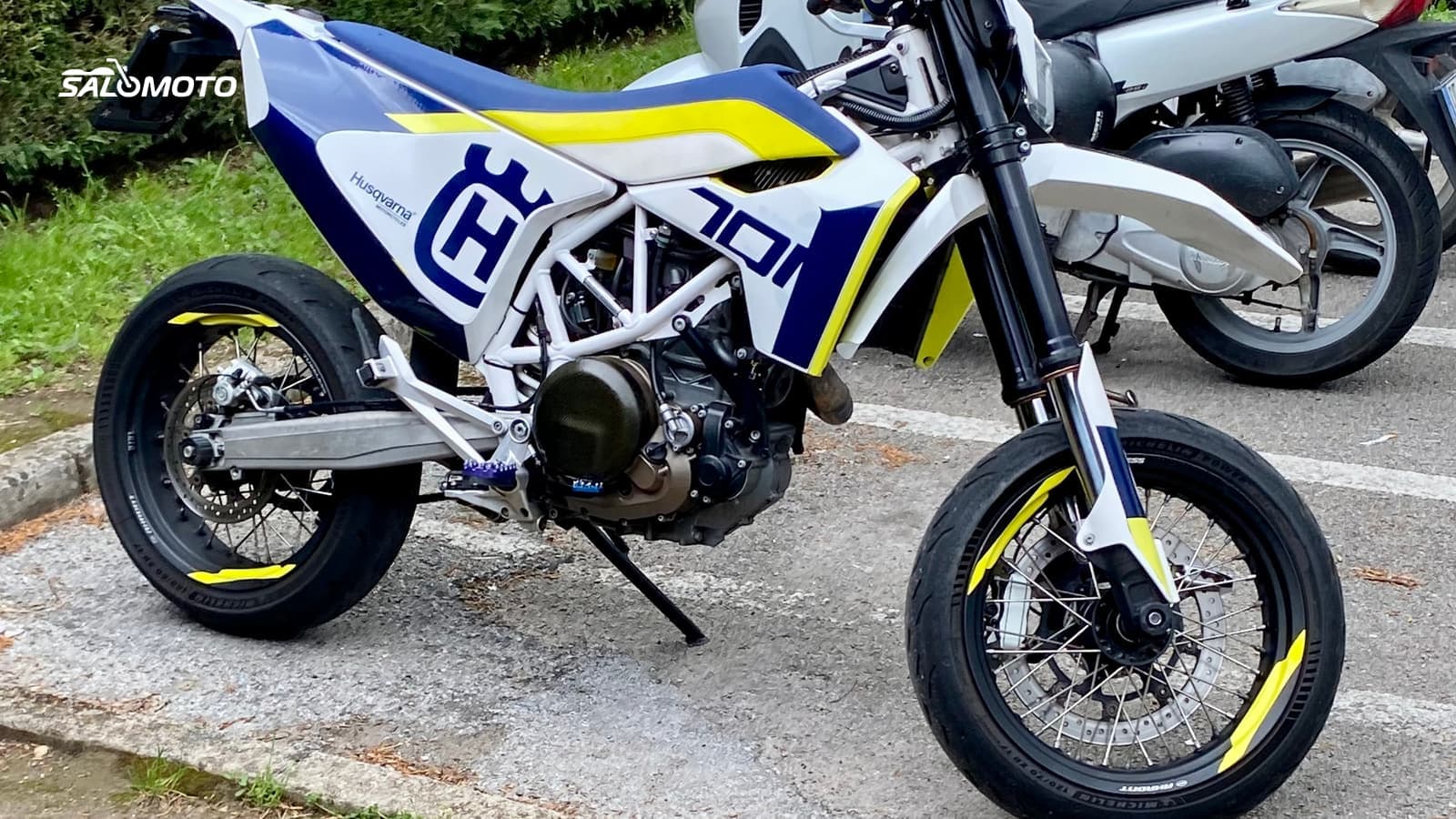
What a supermoto brings to a trip
A supermoto is a dirt-bike chassis on street wheels: light, tall, with wide bars and long-travel suspension. On tight, bumpy back roads and switchbacks it's in its element. What it lacks shows up after an hour or so: the tank is often small, the seat narrow and firm, there's practically no wind protection, and many single-cylinder engines buzz noticeably over time.
That means the bike decides the length of each section more than the length of the day. Between stops, many riders cover less distance than on a touring bike, but those sections are more intense. Accept that, and you plan with the bike instead of against it.
Short loops beat long legs
The pattern that works best is hub-and-spoke: one base, a different loop every day, no luggage, full attention on the corners. Here's how:
- Pick a base: A town in the middle of an area full of small, twisty roads. Some riders trailer the bike there and skip the long haul in the wind.
- Cut the loops: Plan loops that return to the base and split them into sections ending at your next stop. Shorter loops with an optional extension beat one long loop you have to cut short.
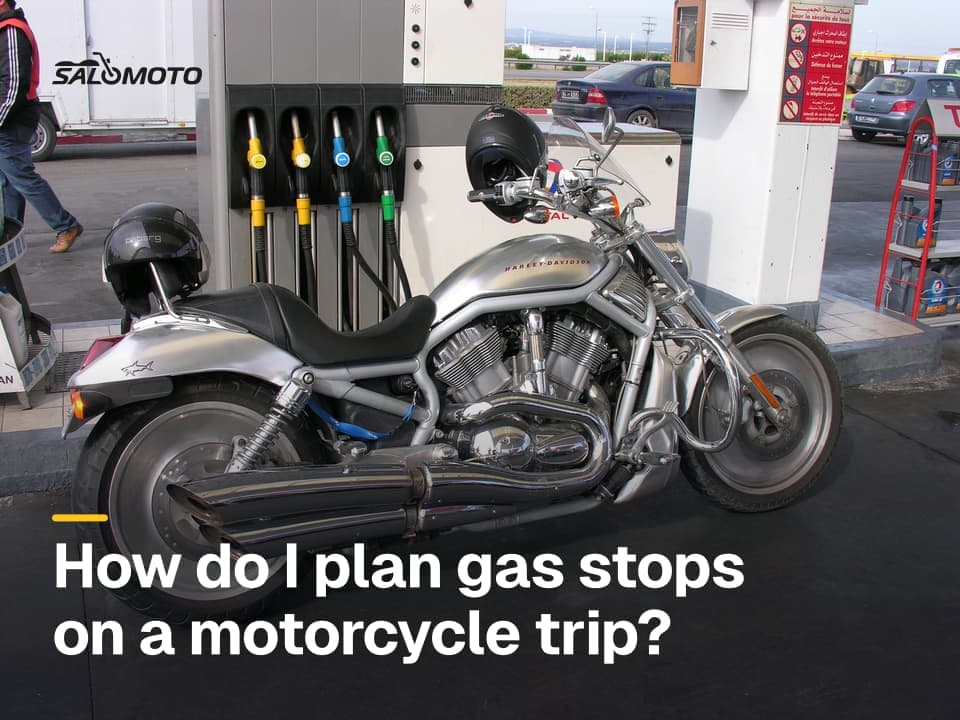
- Place the gas stop: Put the station inside the loop, before your reserve starts, not at the end. How to plan gas stops in general is in planning fuel stops.
- Skip the fast roads: Long interstate or divided-highway stretches are tiring on a supermoto and wasted on it. Take small roads even if they're slower.
- Be quiet in towns: Roll through small towns calmly and at low revs. Supermoto groups get noticed quickly there, and not in a good way.
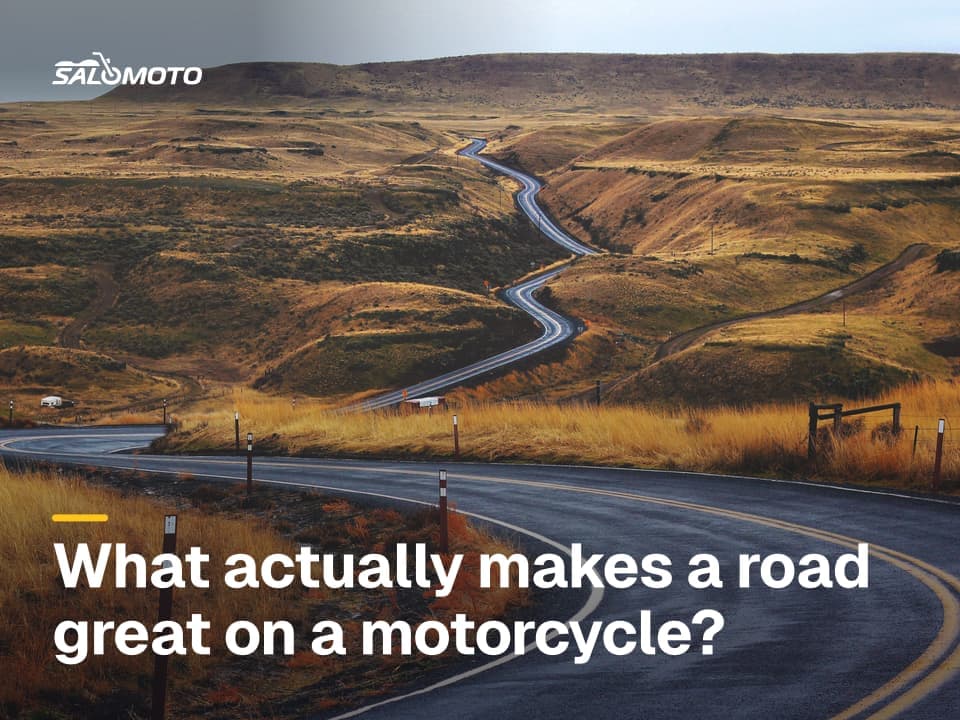
What makes a road good in general, from rhythm to sight lines to pavement, is covered in what makes a great motorcycle road. A supermoto forgives patched and bumpy pavement better than most bikes, but gravel and debris in tight turns are still a hazard.
Tank, seat and tires
- Range: Work it out from your own mpg and keep a reserve. On small roads off the main routes, gas stations are farther apart, and not all of them stay open late.
- Seat: Plan breaks by your backside, not by the odometer. A comfort seat or a seat pad often stretches each section noticeably.
- Vibration and wind: Over time your hands and neck tire. Short breaks with a little movement help more than one long stop at the end.
- Tires: Supermoto tires are often very sticky and wear accordingly. Before a longer outing, check tread and set pressures to the manufacturer's spec.
- Luggage: A small tail bag or slim backpack covers day loops. For multi-day trips, a fixed base is almost always the better plan.
Whether a supermoto fits the way you ride at all is covered in the Bike Match guide to the supermoto.
Street legal, noise and where you can ride
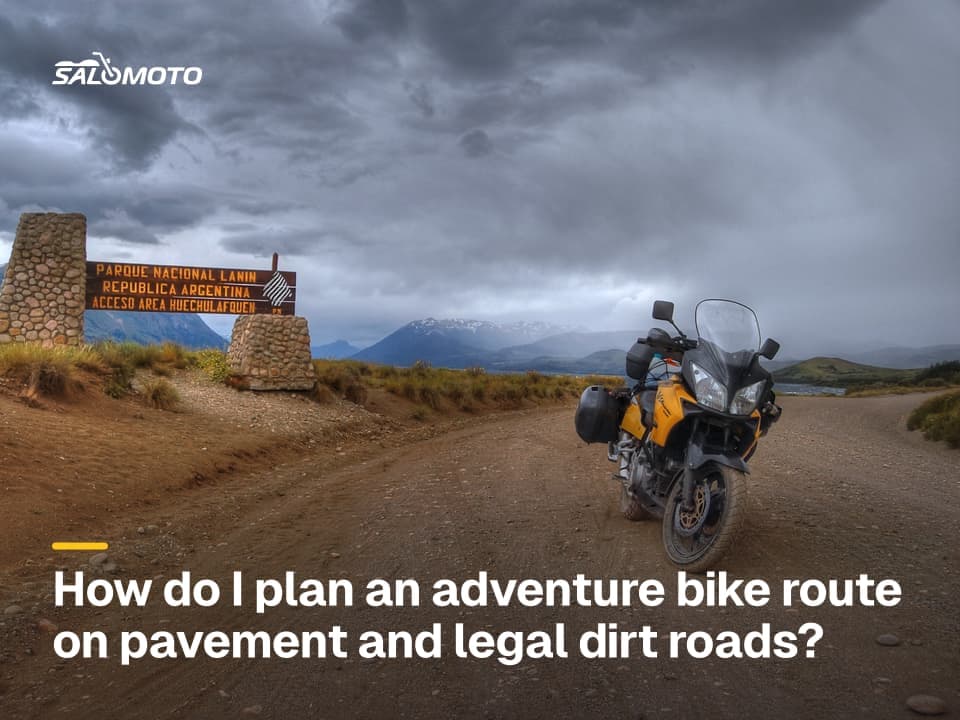
Dirt roads follow the same rules as for any dual-sport: on national forests, only routes shown on the Motor Vehicle Use Map are open to motor vehicles, and other public lands have their own designations. The details and a way to check them are in adventure bike route planning. Slides, wheelies and braking drills belong on a kart track or training course, not on a public road.
Building the loop in Germany with Salomoto
Salomoto doesn't plan routes in the US: the Salomoto route planner covers routes within Germany, free and without an account. If you ride there, set your base as the start, add stops and close the loop by hand by leading it back to the start. The curvy and very curvy profiles prefer twistier roads, but they don't pick the best ones for you; which area is worth it is your call. Distance and an estimated riding time without breaks help you size the loop to your range. Salomoto doesn't show gas stations, so add the one you choose as a stop yourself. Then download the loop as a GPX file and load it onto your GPS unit or phone.
Legal information on this page refers to the United States, where rules vary by state.