Your riding position is part of the plan
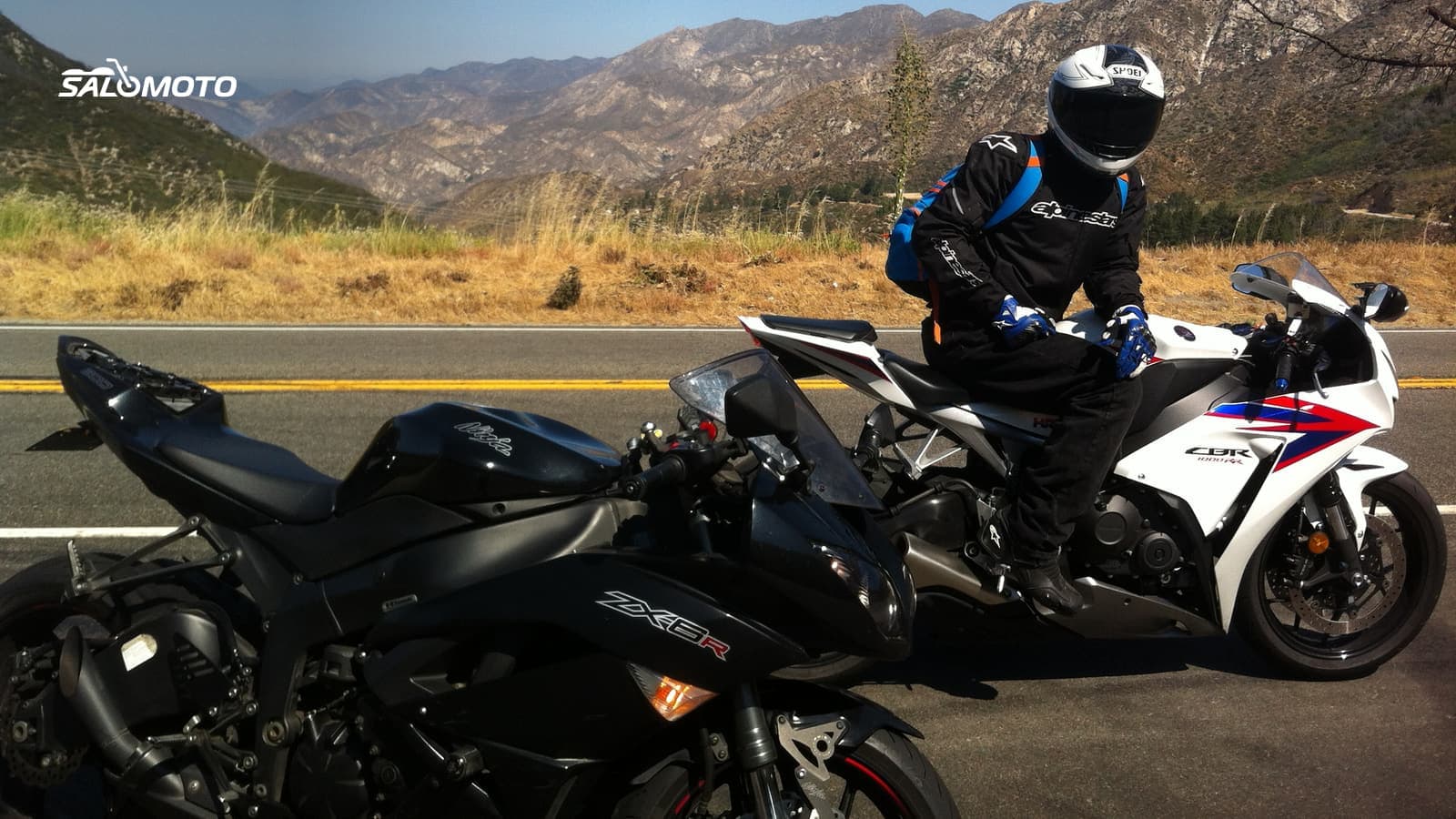
A sportbike is built for speed on a racetrack: high footpegs, low clip-ons, your torso folded forward. On a trip, that means your wrists, shoulders and neck work harder than on any other street bike. At low speed your weight rests on your arms, and to look ahead you crane your head up inside the helmet.
That shapes the plan more than horsepower or range does. The key question isn't how many miles you want to cover but how long you stay relaxed and alert in that position. Once focus slips, your riding gets sloppy. On a sportbike every well-placed break pays off twice.
Roads that suit a sportbike
Not every great motorcycle road is a great sportbike road. Stiff suspension, limited steering lock and an engine that throws heat at your legs all have preferences:
| What to look at | Works well | Better to avoid |
|---|---|---|
| Pavement | smooth, grippy asphalt | patched, broken, gravel, chip seal |
| Layout | flowing curves, good sight lines | tight switchbacks at walking pace, U-turns |
| Traffic | quiet two-lane roads | city grids, stop-and-go, strip roads |
| Heat | cooler times of day | traffic jams in midday heat |
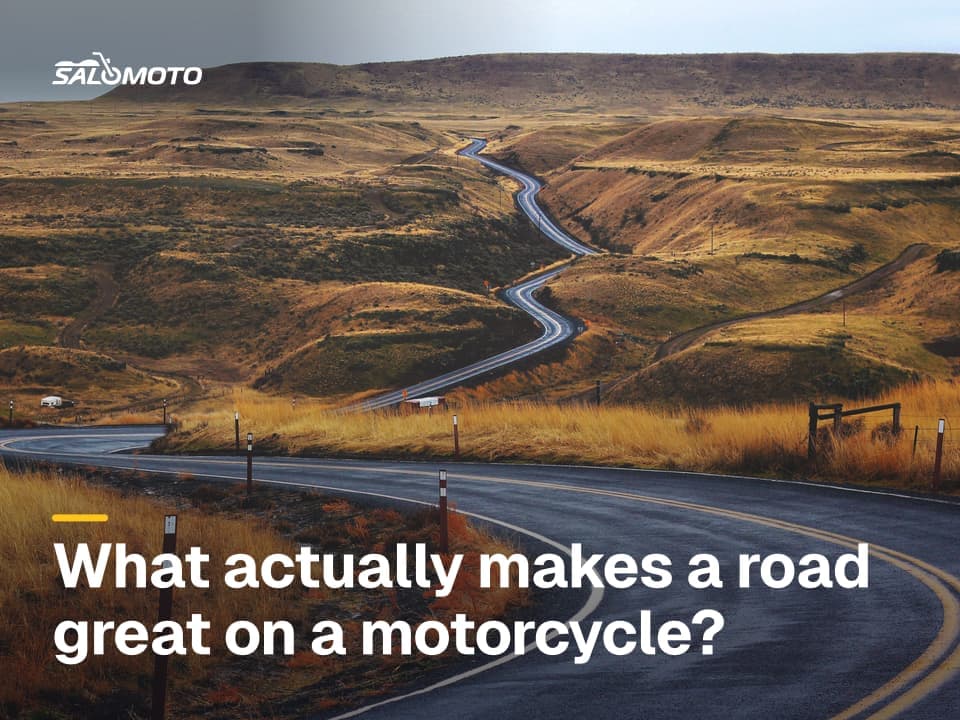
What makes a road good in general, from rhythm and sight lines to width and surface, is covered in what makes a great motorcycle road. A sportbike adds one more thing to check: places to turn around. If you miss a turn, you need room for a wide U-turn with little steering lock. A parking lot or a side road beats a narrow shoulder.
Long interstate stretches can feel easier on a sportbike than town traffic, because the wind takes some weight off your arms. That's no reason to ride faster than the posted limit. Follow traffic law and ride at a pace you can hold safely for hours.
Legs, breaks and luggage
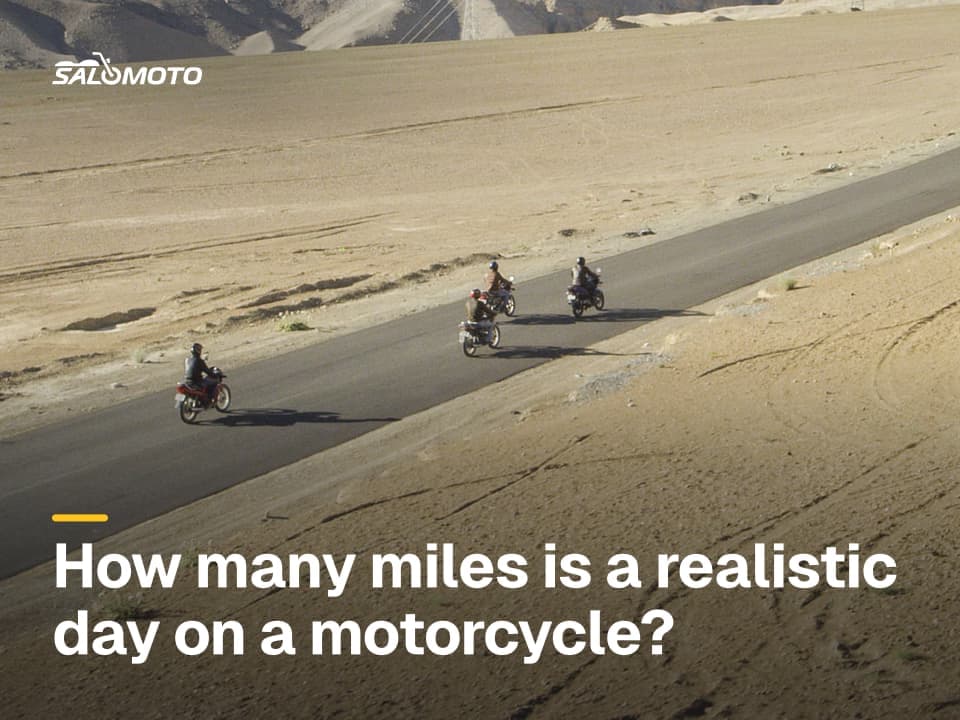
For realistic daily distances in general, see how far to ride in a day. On a sportbike, these steps help:
- Plan short sections: Split the trip into chunks that end somewhere you'd stop anyway, like an overlook, a diner or a trailhead parking lot. The break becomes part of the route.
- Move, don't just sit: At every stop, loosen your wrists, shoulders and neck. A few minutes of walking does more than scrolling on a bench.
- Skirt the cities: Set start and end points so you ride around metro areas. A few extra miles of back road beat a string of traffic lights.
- Start early: Mornings bring less traffic, and you won't crawl through towns in the worst heat.
- Pack small: A tank bag and tail bag cover a weekend. For longer trips, shipping a bag ahead or leaving it at your lodging is an option.
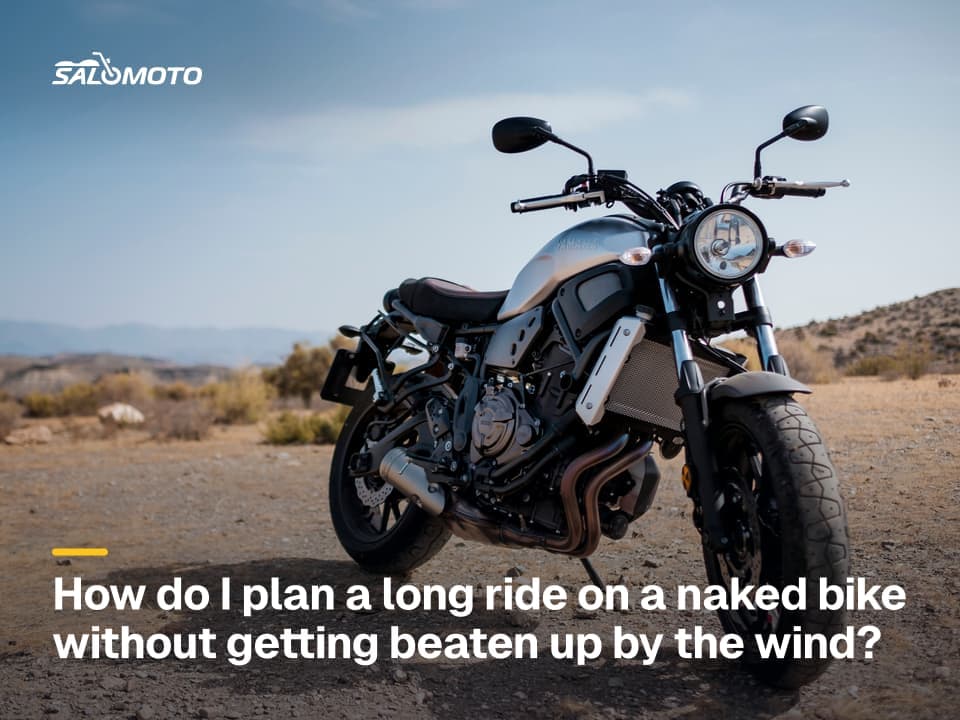
How a bike without bodywork moves the strain from your wrists to your upper body is covered in touring on a naked bike.
Keep the track and the street apart
Plenty of sportbike riders want to explore what their bike can do. The place for that is a racetrack: closed to traffic, with corner workers, runoff, a riders' briefing and people riding in the same direction. Track-day organizations and riding schools run events for different experience levels.
Public roads are a different world. You share them with oncoming traffic, cyclists, deer, loose gravel and drivers who don't expect you. A road trip isn't a training session: your lines, speed and following distance follow sight lines, traffic and the law. If you want to get better, book a class or a track day and plan that day separately from the trip. Which bikes suit circuit riding is covered in the Bike Match guide to the track-day motorcycle.
Planning a ride in Germany with Salomoto
Salomoto doesn't plan routes in the US: the Salomoto route planner covers routes within Germany, free and without an account. If your trip takes you there, set a start and destination and add stops at short intervals so your breaks are built into the route. The curvy profile prefers twistier roads, and avoiding highways (the Autobahn) also leaves out German expressways. Salomoto doesn't rate roads or pick the best curves for you, so check the pavement yourself. Distance, the elevation profile and an estimated riding time without breaks help you split the day into sections. When you're done, download the route as a GPX file and load it onto your GPS unit or phone app.