What weather and season actually change on a ride
On a motorcycle, weather isn't a comfort issue; it's a planning input. It changes four things that shape your whole day:
- Grip: Rain, cold pavement, wet leaves, winter sand and gravel, or soft tar on hot days all reduce traction.
- Visibility: Rain, spray, fog and low sun make it harder to see and harder for drivers to see you.
- Stamina: Heat, cold and wind wear you down faster than you notice, and fatigue costs focus long before it hurts.
- Time: Daylight, waiting out a storm and detours around closed roads all shrink your window.
That leads to the main rule of this page: the forecast sets your start time, distance, elevation and route home, not the other way around. Riders who lock in a route and simply "push through" often end up riding the worst version of their trip.
The riding season at a glance
Where you live decides how long your season is. Riders across much of the South ride most of the year, while northern states often put bikes away for winter. The patterns below are typical, not rules for every region:
| Season | Typical hazards | What to plan for |
|---|---|---|
| Spring | sand and gravel, potholes, cold tires, deer | short loops, ride after the roads warm up, a skills refresher |
| Summer | heat, afternoon thunderstorms, holiday traffic | early starts, a long shaded break, a storm backup |
| Fall | wet leaves, fog, low sun, shorter days, foliage crowds | later starts, earlier returns, warm layers |
| Winter | frost, ice, road salt, very short days | dry days only, short rides, rinse the bike afterward |
If you want a bike for riding through more of the year, choosing one is its own question: see year-round motorcycles. Mountain rides add seasonal closures and fast weather changes at altitude, covered in planning a mountain motorcycle trip.
The pre-ride weather check
A fixed routine keeps excitement from making the call:
- The night before: Check National Weather Service alerts for every area on your route, not just your hometown.
- Find the window: When is it dry, and when do storms or wind arrive? Set your start and return to avoid the critical hours.
- Mind the elevation: If your route climbs well above where you start, expect cooler air, fog and wet stretches up high.
- Prepare a backup: A shorter loop close to home that you can ride without new planning if conditions turn.
- Decide again in the morning: Look at alerts and radar once more. A watch means stay alert; a warning on your route means stay home.
- Check at stops: At every longer break, look at radar and cut the ride short if needed.
On longer trips, do the same for every day and keep buffer days in the plan, as explained in planning a multi-day motorcycle trip.
Rain, heat, wind, cold: adjust the route instead of pushing through
Rain
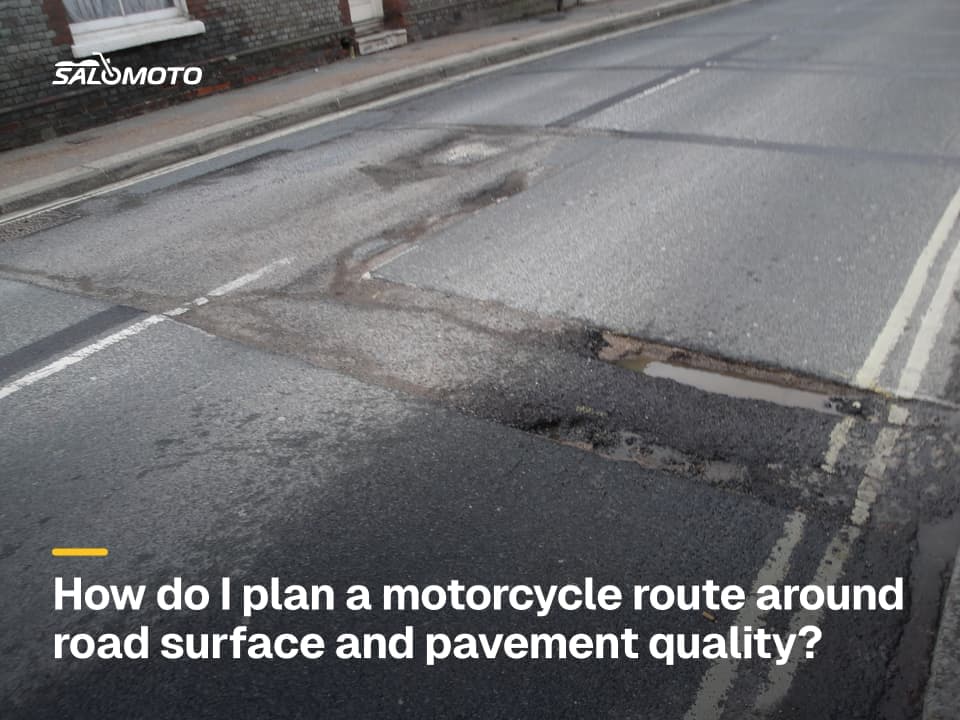
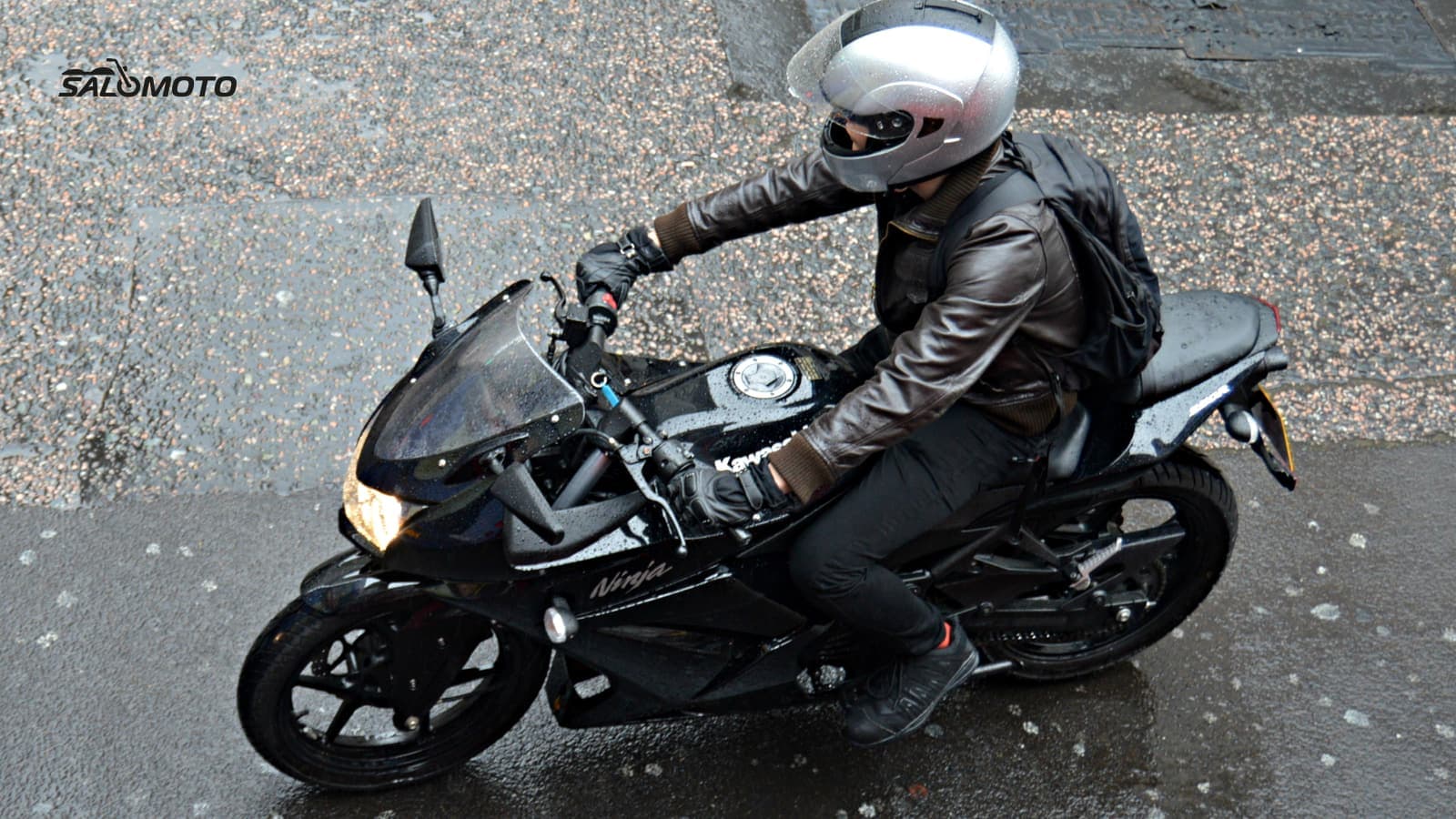
In the wet, choose roads you know. Wider two-lane roads with good pavement are calmer in the rain than narrow, shaded backroads with moss, leaves and painted lines. To read pavement quality before you go, see road surface on motorcycle routes. Budget more time: you'll ride slower, leave more space and stop to warm up.
Heat
Ride early in the morning or late in the afternoon and spend the hottest hours somewhere shaded. Wooded valleys and higher ground are often more pleasant than open plains or long interstate stretches. Drink regularly even if you aren't thirsty, and shorten the ride as soon as your concentration slips.
Wind
Strong crosswinds are worst on open plains, bridges and ridgelines, and passing trucks add sudden gusts. When high-wind warnings are out, stay home. On merely windy days, favor sheltered valleys over exposed scenic highways and plan shorter legs, because a headwind tires you as surely as heat.
Cold and short days
In spring and fall, tires and pavement stay cold for a long time. Wait until frost and dew are gone and plan to be back well before dusk. Quiet backroads are often nicer than the famous routes on those days; twisty roads with little traffic shows how to find them.
Where to go next
- Your first real ride is coming up: your first motorcycle trip shows how to keep it short and weather-proof.
- You want to know how long the fallback loop takes: how long a motorcycle ride will take.
- You're after a classic seasonal ride: riding the Blue Ridge Parkway.
Salomoto today: The Salomoto route planner does not show weather, alerts or road closures; check those with official services. What it does: you plan routes within Germany, add a loop back to your start and see distance, estimated riding time without breaks and an elevation profile, so you can compare your main ride with a fallback loop there.