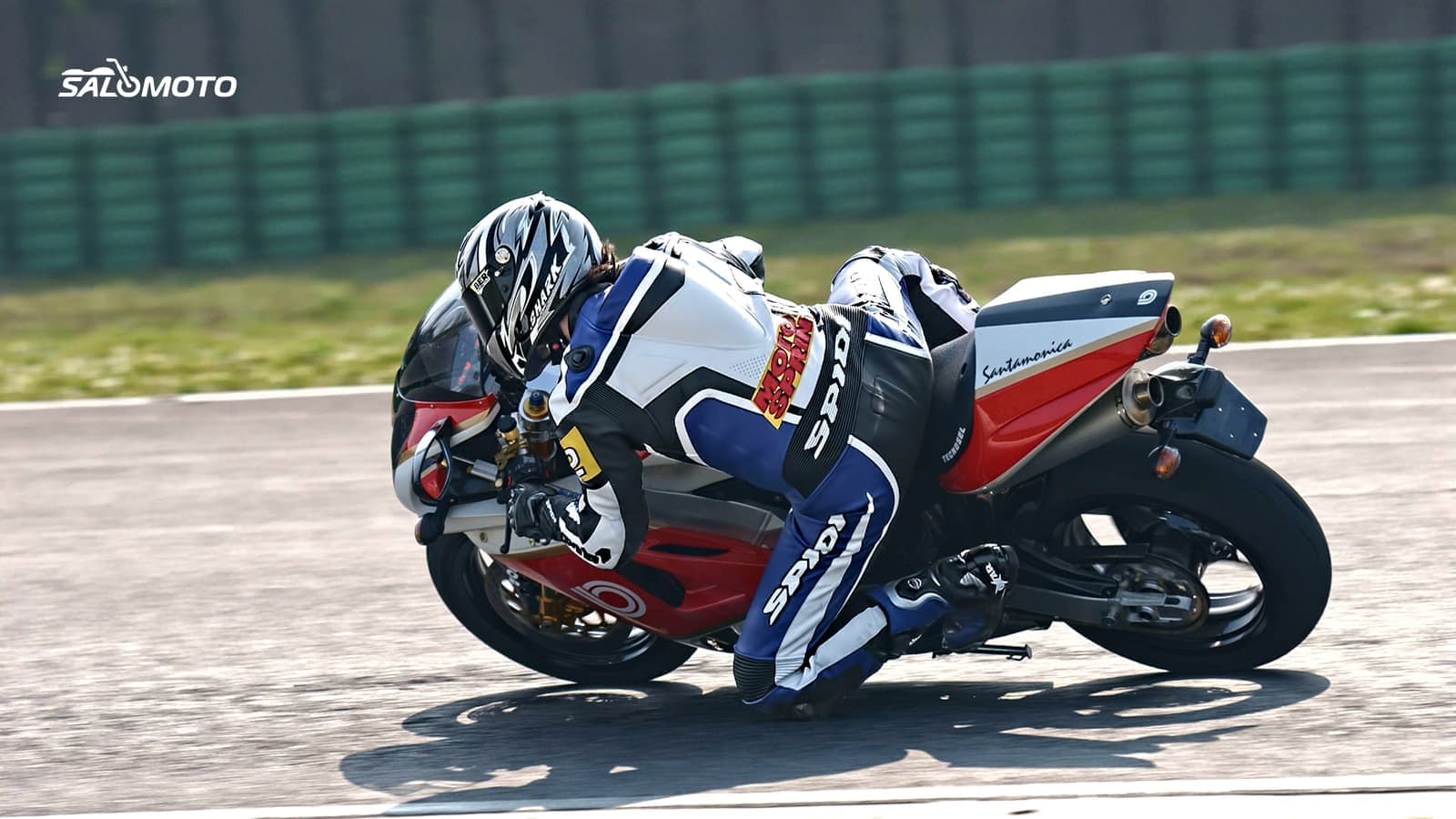
Is a sportbike right for you at all?
A sportbike is built around one job: turning in precisely, braking hard and telling you exactly what the front tire is doing. You pay for that with trade-offs the brochure leaves out. Answering these honestly settles a lot:
- Do you ride in traffic a lot, with constant stops? You'll carry your upper body on your wrists for most of it.
- Will you ride two-up or with luggage regularly? Sportbikes treat both as an afterthought (motorcycles for riding with a passenger).
- Is it the track that draws you, or mostly the look?
- What would a tip-over in a parking lot cost? Fairings, levers and mirrors add up fast.
- What does insurance cost for that exact model? Get a quote before you buy (motorcycle insurance).
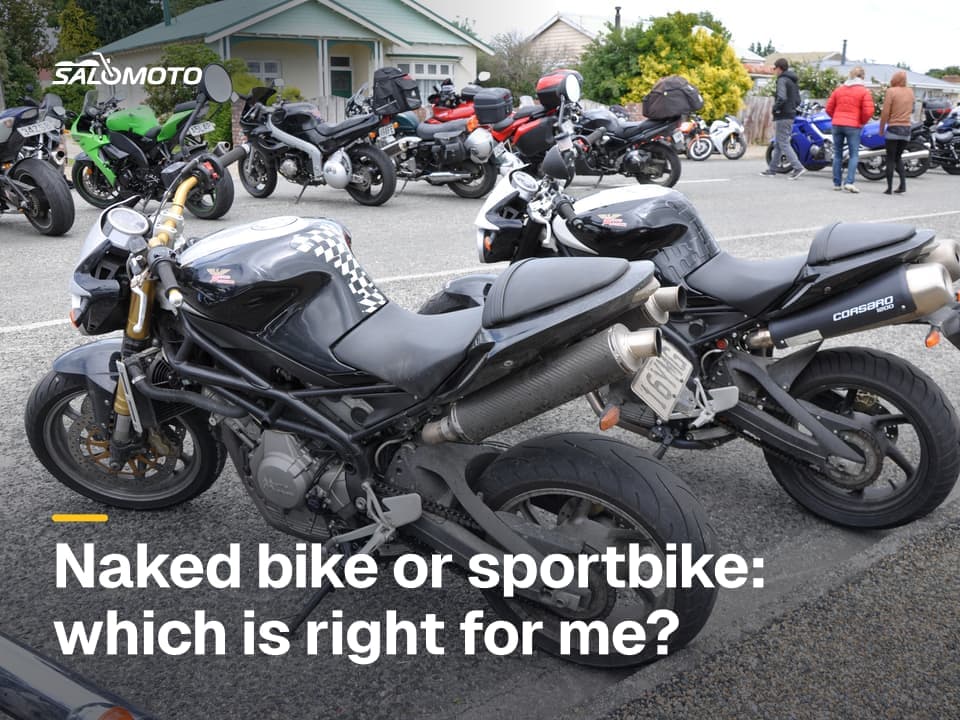
If your answers lean toward commuting, passengers and looks, a sportbike isn't ruled out, but the alternatives at the end of this page deserve a serious look. For the straight comparison of the two styles, see naked bike vs. sportbike.
Three classes: entry, middleweight, superbike
| Class | Suits | On the street | On track |
|---|---|---|---|
| Entry sportbike (roughly 300 to 700cc) | newer riders, first track days | often milder ergonomics, easier to live with | ideal for learning lines and braking points |
| Middleweight supersport (600 fours and kin) | experienced riders doing track days | usually aggressive, engine wants revs | precise, rewards clean technique |
| Liter superbike | experienced riders who've outgrown a 600 | far more power than the street can use | demanding; tires and parts cost more |
The lines blur. Some entry sportbikes sit almost like a standard; others are small race bikes. The individual model matters more than the class name. If you're a newer rider wondering how big to go, what size motorcycle to start on and moving up to a bigger bike cover that question.
600 or 1000?
The classic debate has an unexciting answer: for most riders, neither is the place to start. A 600 four isn't a tame bike. It makes its power high in the rev range and asks for clean shifting and line choice, which is exactly why it teaches so much on track. A liter bike pulls hard from almost any rpm, and modern electronics make it more approachable than older generations. That doesn't make mistakes smaller; it just hides them until later, and tires, wear parts and insurance all cost more.
A common view among track riders: if you're still finding lap time on a 600 by improving your technique, a 1000 won't buy you much. Whether a liter bike of any style suits you is its own question, covered in is a liter bike right for me?.
Riding position: back roads aren't a racetrack
Clip-on bars, rear-set pegs and a tight knee angle are designed for the track, where you move around on the bike and the wind helps hold up your upper body. At everyday road pace that wind support is missing, so your weight sits on your hands. Add engine heat on your legs, a small steering lock for U-turns and mirrors that often show mostly elbows. If reaching the ground is a concern, see motorcycles for shorter riders.
Sportbike-specific checks for a test ride (the general list is in choosing a first motorcycle):
- ride for at least 30 to 60 minutes, including town and stoplights
- afterward, rate your wrists, neck and knees honestly
- make a full-lock U-turn on a narrow street
- grip the tank with your knees: are your legs holding you, or your arms?
- notice engine heat on your thighs and calves after stop-and-go
Where performance belongs: track days and schools
A sportbike shows what it can do on a closed course, not on a public road. Track-day organizations usually split riders into novice, intermediate and advanced groups. Novice groups run at a controlled pace and often include a rider meeting, classroom sessions, lead-and-follow laps and coaching. Typical gear is a full-face helmet, leathers, gloves, over-the-ankle boots and a back protector, and the bike has to pass a tech inspection. Each organization sets its own rules, so read them before you sign up. Dedicated riding schools on a track are another good start, especially before your first open track day.
Check with your insurer first: many standard motorcycle policies don't cover track use. And budget for track fees, tires and gear from day one. Without the track, you only ever use a small part of what a sportbike is built for.
Sporty, but easier to live with
- Sport tourer: sporty chassis, higher bars, wind protection and room for luggage, for riders who cover long distances briskly.
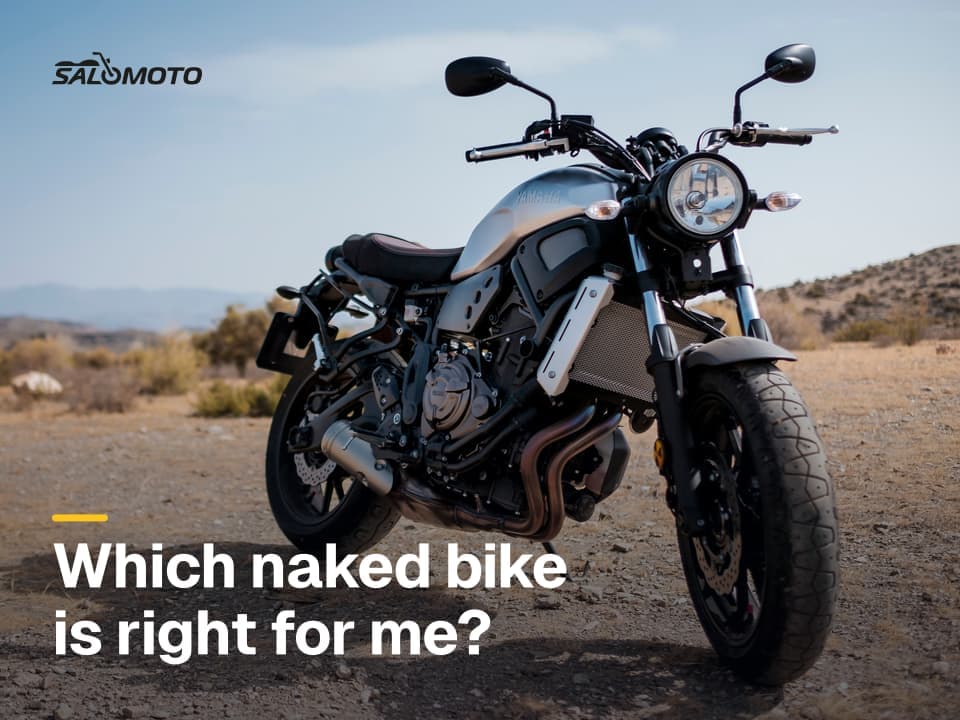
- Sporty standard (naked bike): often similar hardware, but an upright position and no fairings to break (which naked bike suits me).
- Entry sportbike plus track days: the look and the precision, without the full firepower.
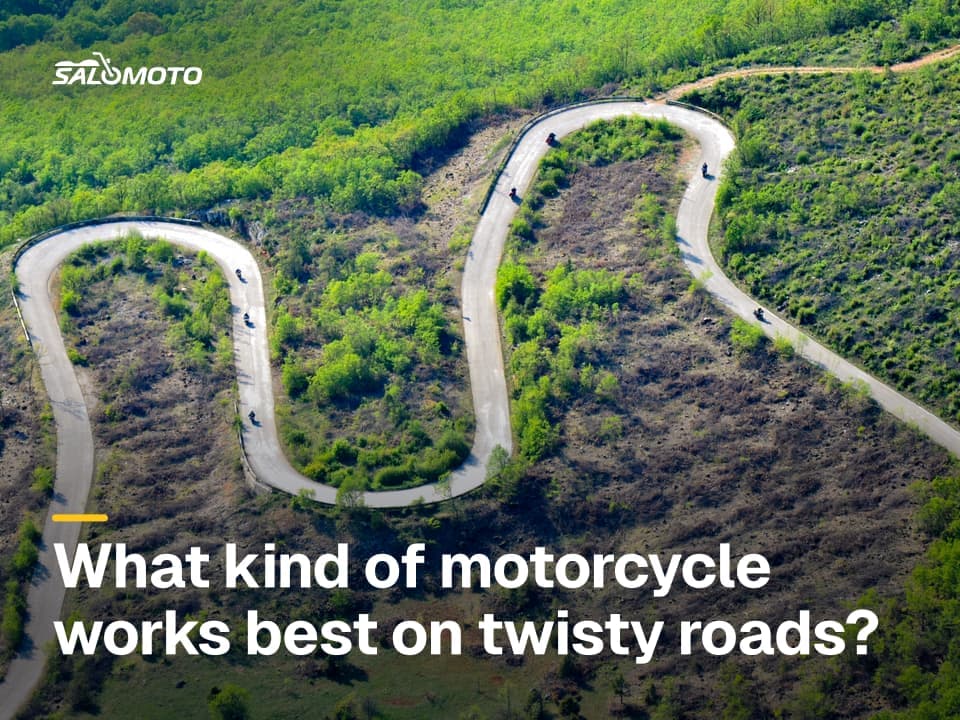
If twisty roads are what draws you, also read the right motorcycle for twisty roads.