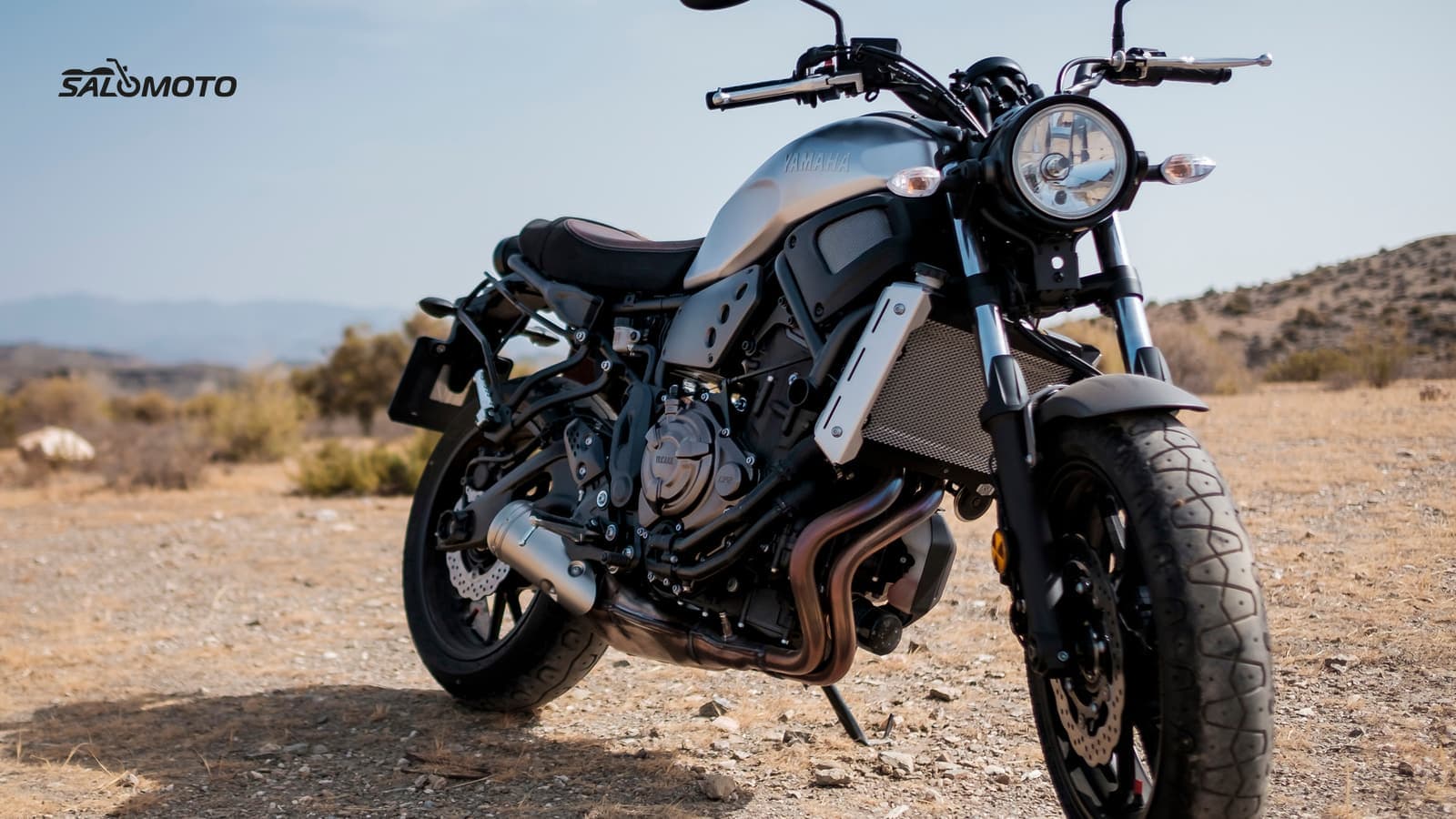
What makes a naked bike a naked bike
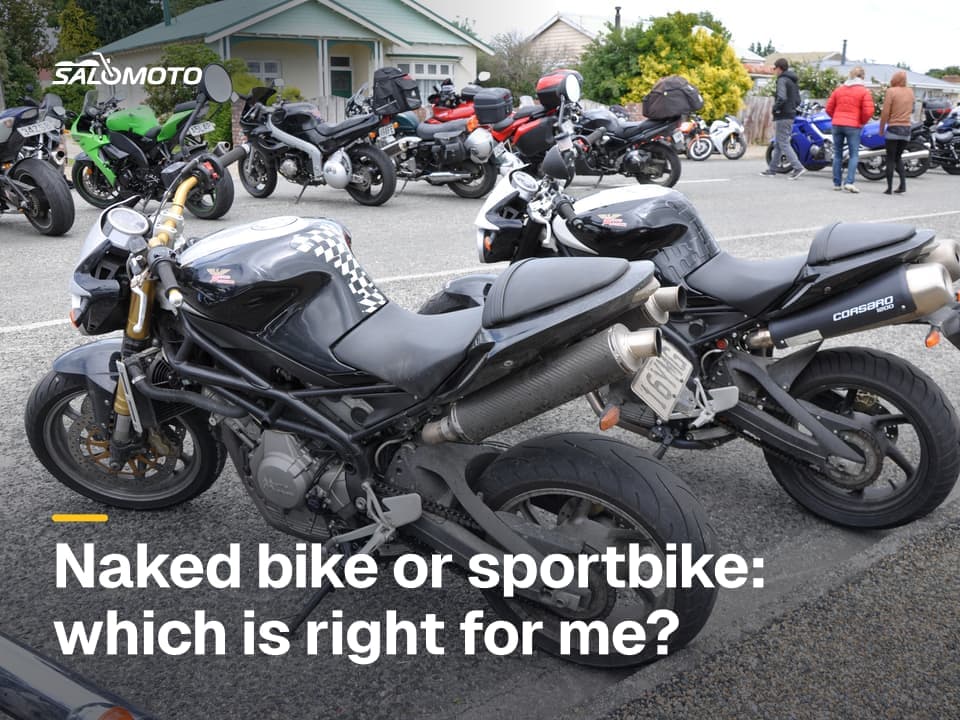
In the US the terms overlap: "standard" is the older word for an upright, do-it-all bike, "naked" usually means a sportier, unfaired streetbike, and most riders use them loosely. Either way, the bike skips the full fairing. The engine and frame stay on show, you sit upright behind a wide handlebar, and the footpegs are usually in a neutral spot. That makes nakeds easy to maneuver in town, easy to see out of in traffic and lively on a back road. The price is wind protection, which gets its own section below.
Within the category, though, there's a world of difference between a light single and a hyper naked with a superbike engine. So the real question isn't "naked or not," it's which class and which engine fit your roads, your experience and your daily life. If you're still deciding between a naked and a fully faired bike, start with naked bike vs. sportbike.
The classes at a glance
| Class | Good fit for | Watch for |
|---|---|---|
| Small naked | newer riders, city, commuting | runs out of breath on the highway and with luggage |
| Middleweight | everyday riding and back roads, an all-rounder for many | ranges from basic to very sporty |
| Premium middleweight | experienced riders who value suspension and brakes | pricier, often firmer |
| Hyper naked | lots of experience, love of tech and headroom | power you can rarely use, higher costs |
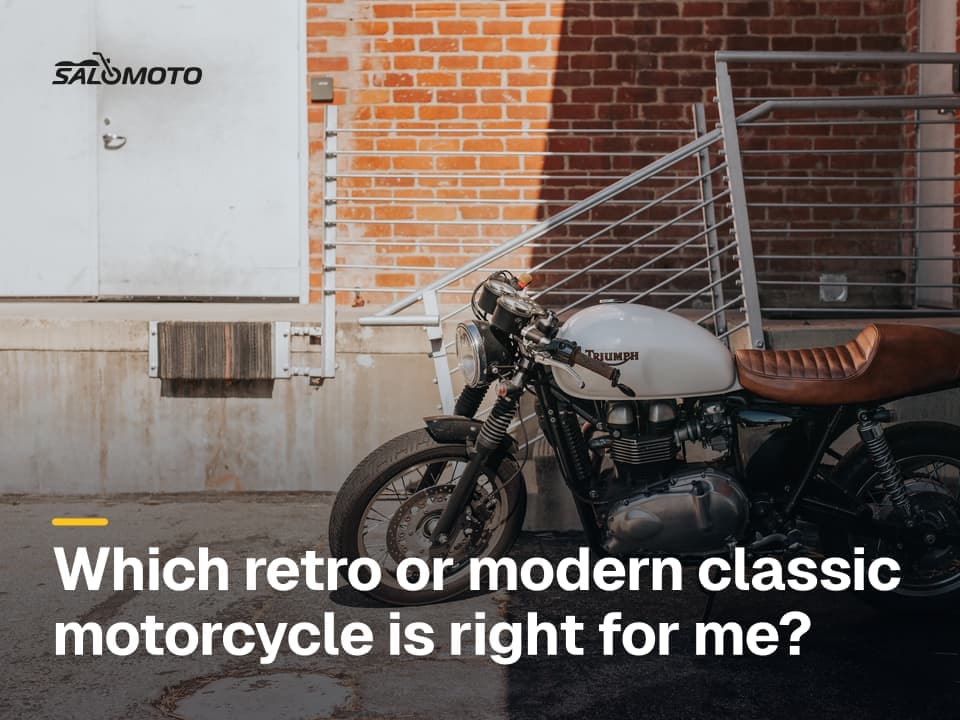
| Retro standard | upright riding with classic looks | character over sportiness, equipment varies |
Small nakeds are a classic starting point and also a sensible city bike for experienced riders. How big an engine makes sense when you're new is its own question, covered in what size motorcycle to start on.
A premium middleweight is worth it when better suspension, stronger brakes and more refined electronics matter more to you than extra power. Hyper nakeds sit at the far end: impressive, but with reserves you'll almost never use on a public road. If the classic look is what draws you in, read modern classic motorcycles.
One, two, three or four cylinders?
The engine shapes a naked bike's personality more than any number on the spec sheet. Roughly:
- Single: light, slim, punchy down low; you'll feel vibration at sustained high revs.
- Twin: lots of midrange torque, compact, full of character; the heart of many middleweights.
- Triple: pulls from low revs and loves to rev, with a sound of its own; a middle ground between twin and four.
- Four: smooth and eager to rev, with the strongest pull often higher up.
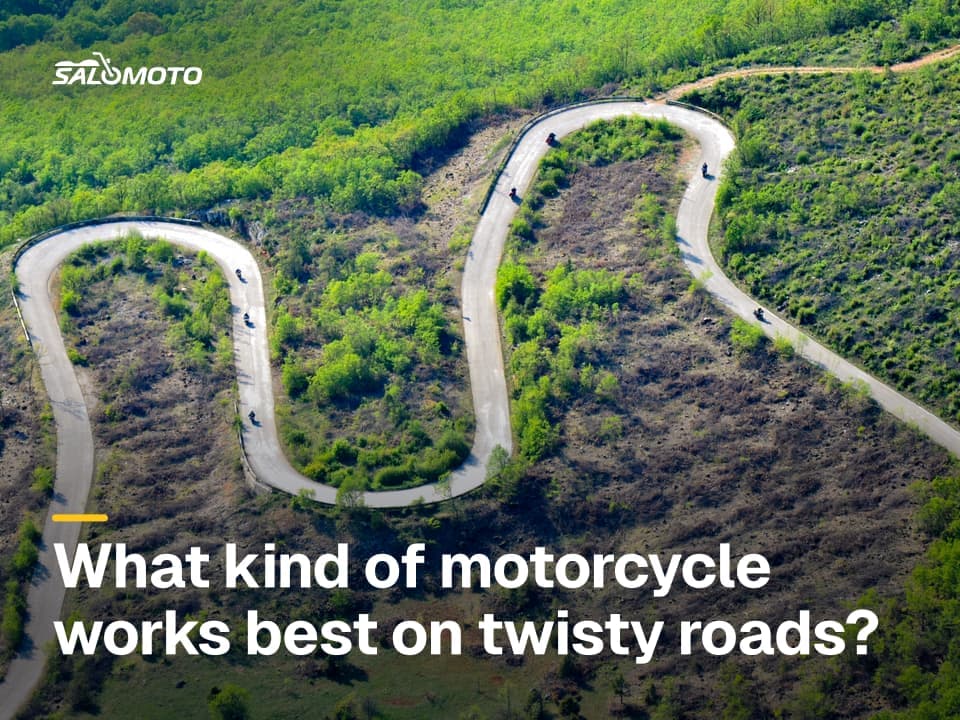
For daily riding and curvy roads, what counts most is how smoothly and predictably the throttle responds in the lower gears. Many modern nakeds have riding modes that soften it. For more on handling and fun in the curves, see motorcycles for twisty roads.
Wind: the honest part
On a back road, wind is part of the experience on a naked. On the interstate it turns into work: you hang on to the bars, your neck and shoulders tire, and your helmet gets loud. That isn't a flaw of one model; it's the nature of the category. In real summer heat the airflow can be welcome at town speeds, but a long interstate day is a different story, and the miles between exits add up fast.
There are steps you can take:
- Flyscreen: a small screen above the instruments that takes some pressure off your chest.
- Touring screen: taller, noticeably more protection, but it changes the look.
- Gear: a quiet, well-fitting helmet and snug riding gear make a real difference.
A screen can also put your helmet into turbulence if its height doesn't suit your seating position, so test one before you commit. How much protection you really need depends on how much highway you ride; more on that in motorcycles for highway riding.
When a naked isn't the answer
A naked does a lot well, but not everything. Think twice if:
- you ride long highway stretches every week,
- you often carry a passenger, since the back seat on many nakeds is small (riding two-up),
- you regularly travel with full luggage (motorcycles for travel),
- you ride a lot in cold and rain.
In those cases a sport tourer or an adventure bike is often the more relaxed choice. A naked with a screen remains a good compromise if long rides are occasional.
What to check on a naked specifically
On top of a normal test ride, these points are worth checking on a naked:
- Bar width: does it suit your shoulders, and can you reach both grips at full lock without stretching?
- Mirrors: do you see traffic or just your arms, and do they blur at higher revs?
- Knee angle: sportier nakeds have higher pegs, and you'll notice after an hour
- Throttle response in first and second gear, in each riding mode if it has them
- A stretch of faster road: how long does the wind pressure stay comfortable?
- Passenger seat, grab handles and luggage options, if you need them