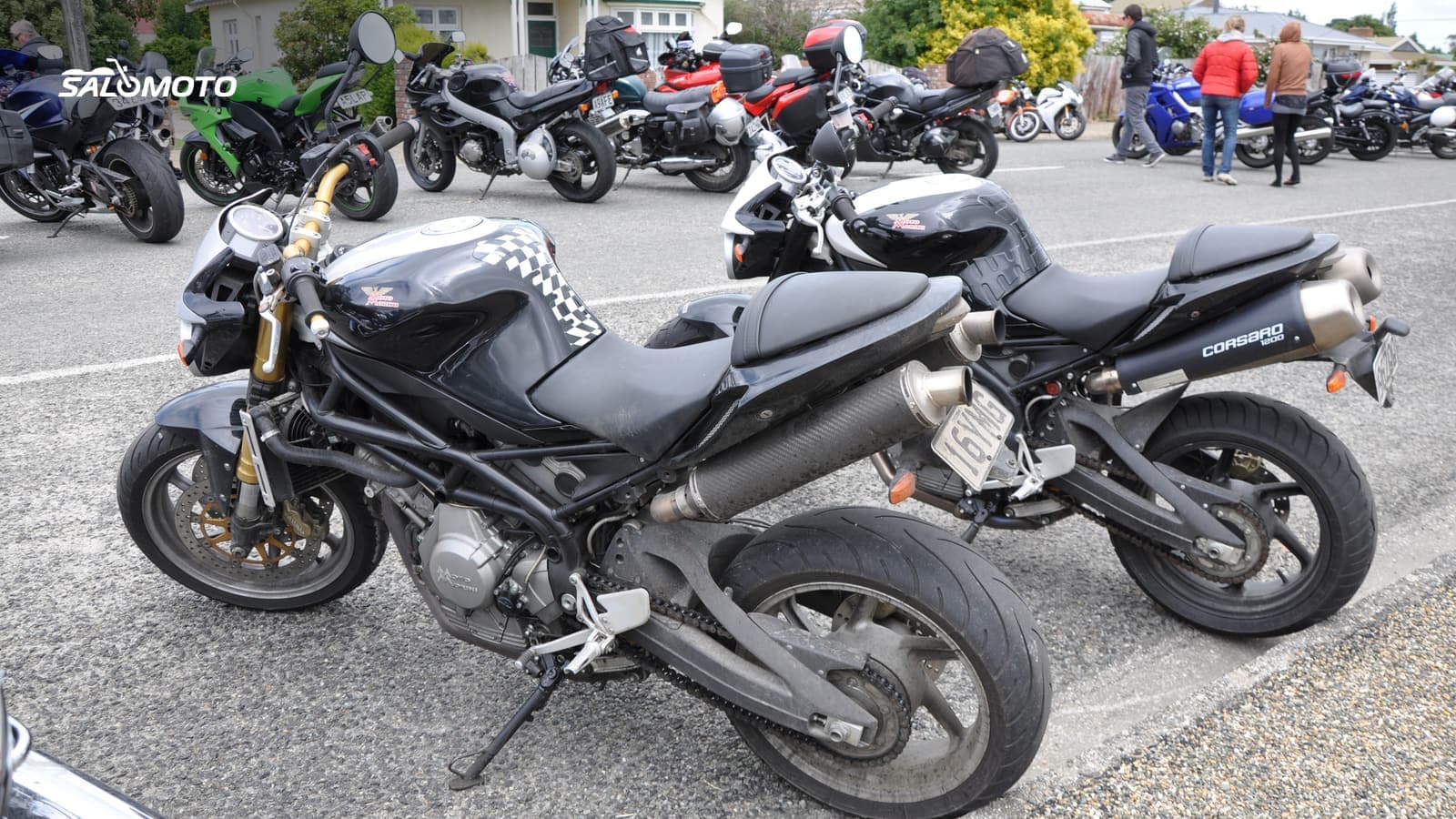
Two answers to the same question
Naked bikes and sportbikes often have more in common than their looks suggest. It's not unusual for both to share a related engine, with the naked version tuned for more low-end and midrange pull. The real difference is what each bike is built to do.
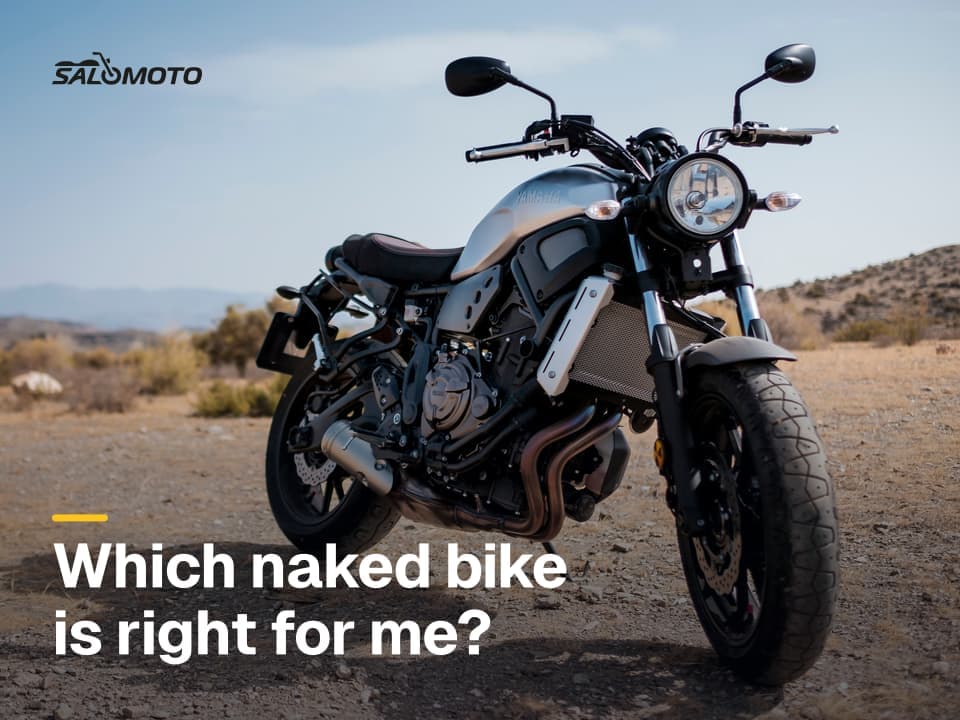
A naked bike (or standard) sits you upright behind a wide handlebar, with moderate footpegs and no fairing. It's made for roads as they are: stoplights, four-way stops, back roads and the occasional run across town.
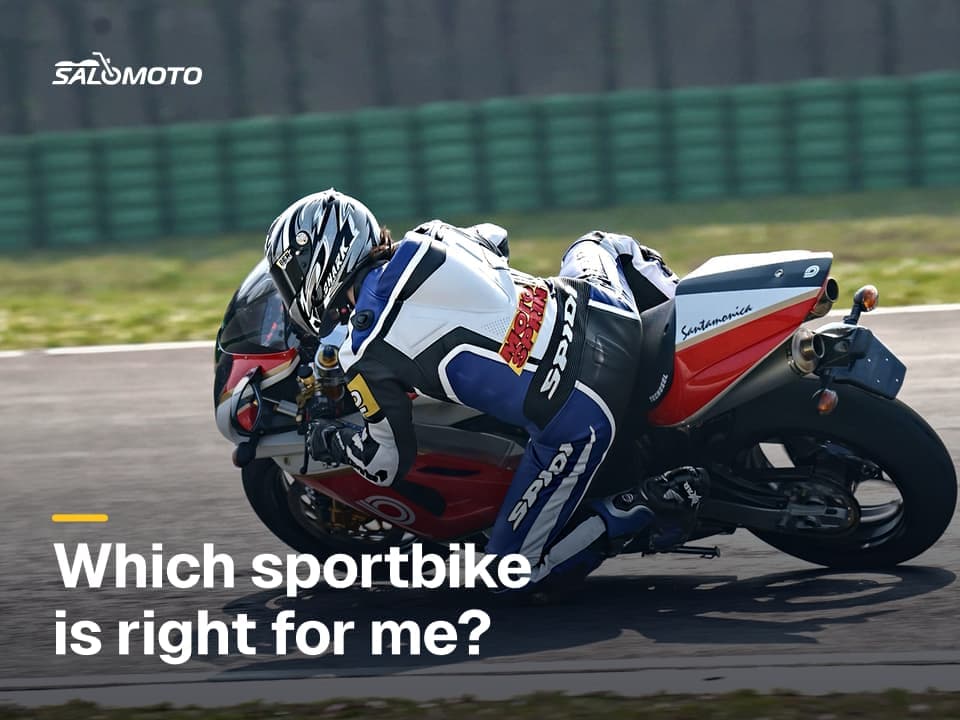
A sportbike folds you forward over clip-ons, with high, rear-set pegs and a full fairing around everything. That position makes sense where wind pressure supports your upper body and you brake hard and often, which mostly means on a racetrack.
Which class within each category suits you is covered in which sportbike is right for me and which naked bike is right for me. This page is about the question before that.
Head to head
| Criterion | Naked bike | Sportbike |
|---|---|---|
| Riding position | upright, relaxed wrists | tucked, weight on your wrists |
| Wind | full blast on chest and helmet | protected when tucked in |
| City and commuting | big steering lock, good view | tight lock, engine heat in traffic |
| Passenger | usually fine for shorter rides | more of an emergency seat |
| Track days | great for learning, limited on straights | built for it |
| Parking-lot tip-over | levers, mirrors, turn signals | plus painted fairing panels |
In daily riding, posture is the biggest difference. At low speed on a sportbike, part of your weight rests on your wrists because there's little wind holding your torso up. In stop-and-go traffic you feel that quickly. On a naked bike you sit relaxed but take the full wind at freeway speeds. How much freeway riding a naked can handle is its own topic: motorcycle for highway riding.
For two-up riding the naked usually wins, though neither is a true touring bike for two. More in motorcycles for riding two-up.
What a tip-over and insurance really cost
Bikes go down more often at a standstill or while maneuvering than at speed. On a naked bike, that typically means levers, mirrors, turn signals and maybe the tank. On a sportbike, add large painted panels whose mounting tabs can snap, and one tip-over often hits several pieces at once. Before you buy, ask the dealer what a single side fairing panel costs for the model you want. That one number tells you a lot.
Insurers list the type or style of bike as one of the factors behind your rate, alongside your age, riding record, location and mileage. The category on paper doesn't settle it; the exact model and your own profile do. Get quotes on both candidates before you commit, and ask whether the policy covers track use: many carriers don't cover a bike at sanctioned events. Ways to bring the premium down are in cheap motorcycle insurance.
How often will you use the extra sportiness?
The most honest test takes five minutes. Think about your last ten rides, or the ones you picture for next season, and sort them:
- commuting, city riding and errands
- after-work loops on back roads
- day trips or weekends, maybe with luggage
- track days or coached sessions at a circuit
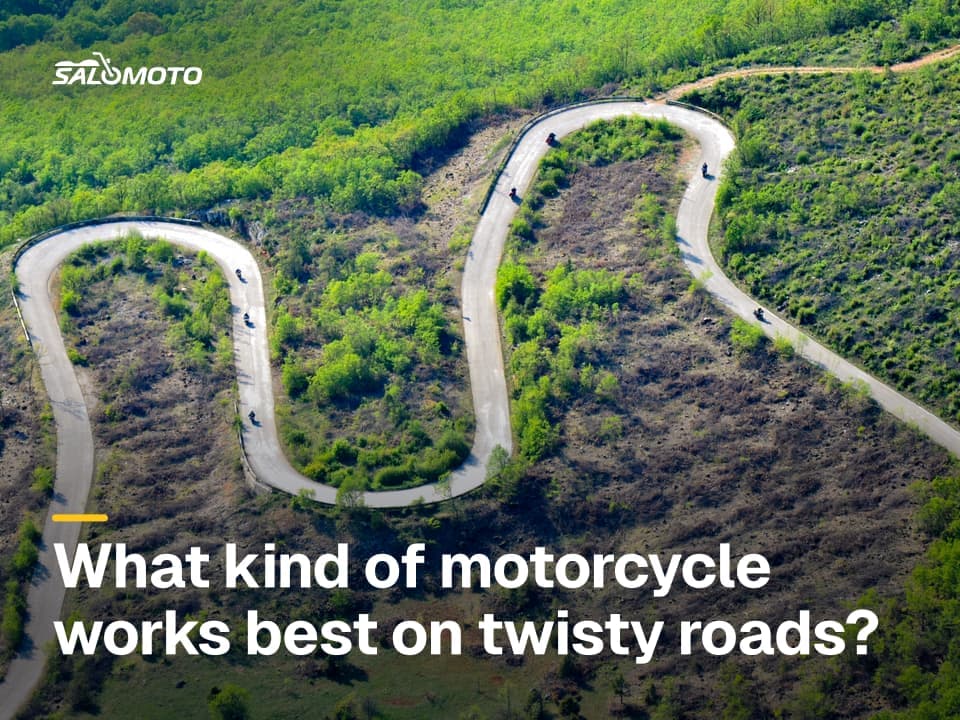
If most rides fall into the first three groups, you'll spend most of your time where a sportbike compromises. Its strengths live in the fourth group, and if you only make it to the track once a year, a naked bike works there too, and some organizers rent bikes. If the look is the real reason you want the sportbike, that's legitimate. Just make the test ride long enough to know whether you like the position. Twisty roads get their own page: motorcycle for twisty roads.
Decision table by situation
| Your situation | Lean toward | Why |
|---|---|---|
| Daily commute, lots of city | naked bike | posture, steering lock, visibility |
| Solo evening rides, little freeway | either; try a sport naked | posture matters more than specs |
| Several track days a season | sportbike | what it's designed for |
| Often riding two-up | naked bike | passenger seat, relaxed position |
| Long, fast stretches | naked with a half fairing | wind protection without the tuck |
| Newly endorsed | naked bike | more forgiving, cheaper to drop |
| The sportbike is the dream | sportbike, after a long test ride | motivation counts, fit has to work |
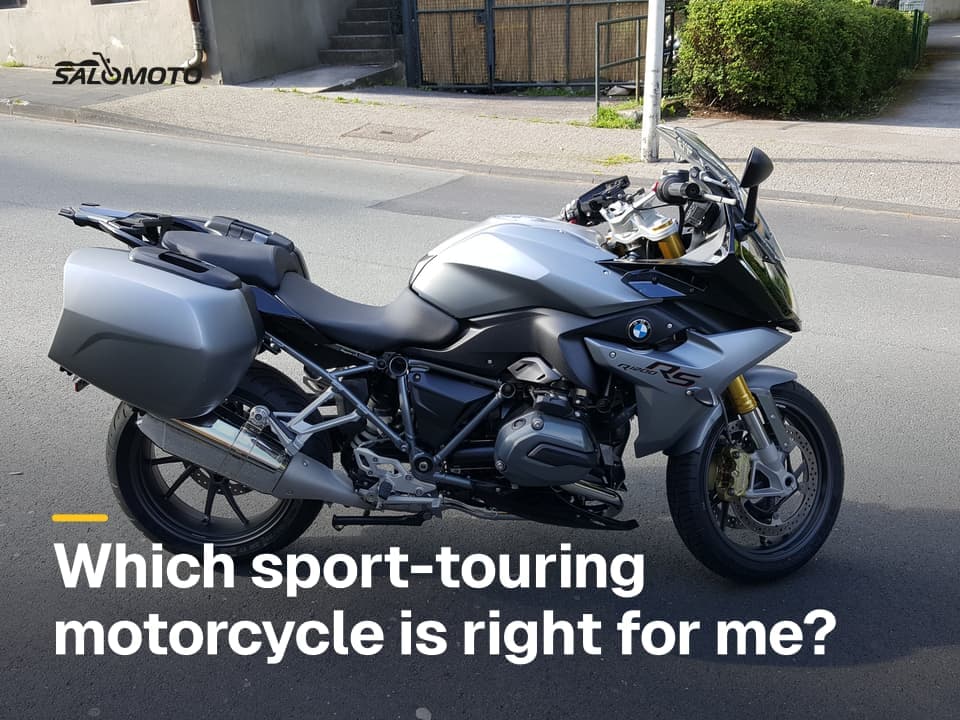
If long distances are your thing, add a sport tourer to the shortlist: sport-touring motorcycle.
The middle ground and what to test
There are two compromises between the camps. A sport naked pairs a strong engine, often derived from a sportbike, and firm suspension with a wide bar and an upright seat. A naked with a half fairing or fly screen shields your chest and helmet without the side panels that make tip-overs expensive. For many riders, either one hits the sweet spot between fun and everyday use.
On top of the general test-ride checklist, for this comparison:
- Ride both bikes on the same route, ideally the same day
- Spend at least an hour on the sportbike, including some city traffic
- Make a U-turn on a narrow street: is the steering lock enough?
- Check your wrists, neck and knees afterward
- Get a fairing-panel price and an insurance quote for both