"Liter bike" covers very different motorcycles
In US riding talk, "liter bike" usually means a sportbike of around 1,000cc, but the same displacement shows up across categories, and the character changes completely from one to the next.
| Type | Character | What you sign up for |
|---|---|---|
| Superbike / sportbike | built for the track, loves revs | tucked position, power concentrated up top |
| Naked / hyper naked | upright, strong midrange punch | no wind protection, sharp throttle response |
| Adventure bike | roomy, made for a passenger and bags | tall and heavy, especially at a stop |
| Sport-touring | strong and smooth over long days | weight when you're maneuvering |
| Cruiser | low-rpm torque, laid back | heavy, limited lean angle |
Displacement alone tells you surprisingly little. Two bikes with nearly the same engine size can make very different power and deliver it differently: gently from low revs or with a rush near redline. Read the spec sheet for power, torque curve and weight, not the number in the model name.
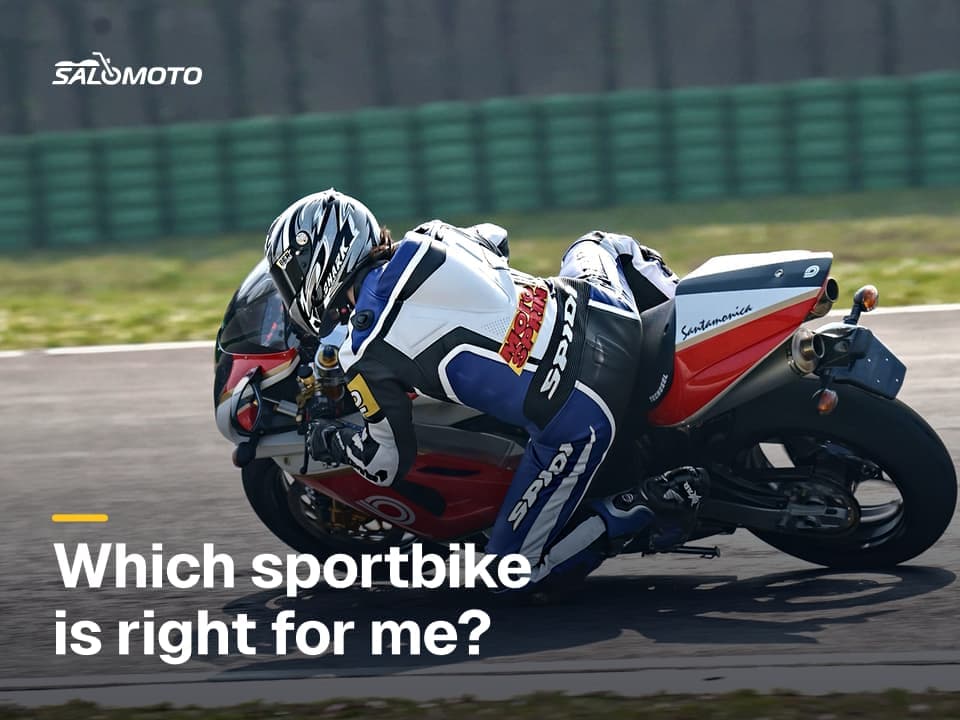
So before "do I want a liter bike?", ask "which one?" A big sport-tourer is a forgiving machine for many experienced riders; a superbike with similar displacement asks for far more precision. If the sportbike side is what pulls you, read which sportbike fits me.
What the extra power means on public roads
The honest version: on the street, you'll almost never use the top end of a liter bike. What you notice every day is different:
- pull in almost any gear without downshifting
- short, relaxed passes on two-lane roads
- reserve with a passenger, luggage or mountain grades
- low revs and less buzz on long highway days
The flip side is that tiny throttle inputs produce a lot of acceleration. A clumsy roll-on mid-corner or on a wet road has faster consequences, and because speed builds so effortlessly, your sense of how fast you're going can fool you.
Many modern liter bikes come with cornering ABS, traction control and riding modes. They help, but they work within the grip your tires have, and they don't replace braking technique, line choice or judgment. Keep training on your own bike: many state programs offer advanced or experienced-rider courses for exactly that.
License and experience
That means the law won't stop you; the judgment is yours. These signs suggest you're ready:
- You've ridden regularly for several seasons, not just a few weekends a year
- You've practiced emergency stops recently, ideally in a course, and feel sure doing them
- Vision, throttle and brakes work in corners without conscious effort
- Your current bike is missing something specific, not just a bigger number
- You can push a heavy bike around and hold it on a slope
- You're fine leaving most of the power unused most of the time
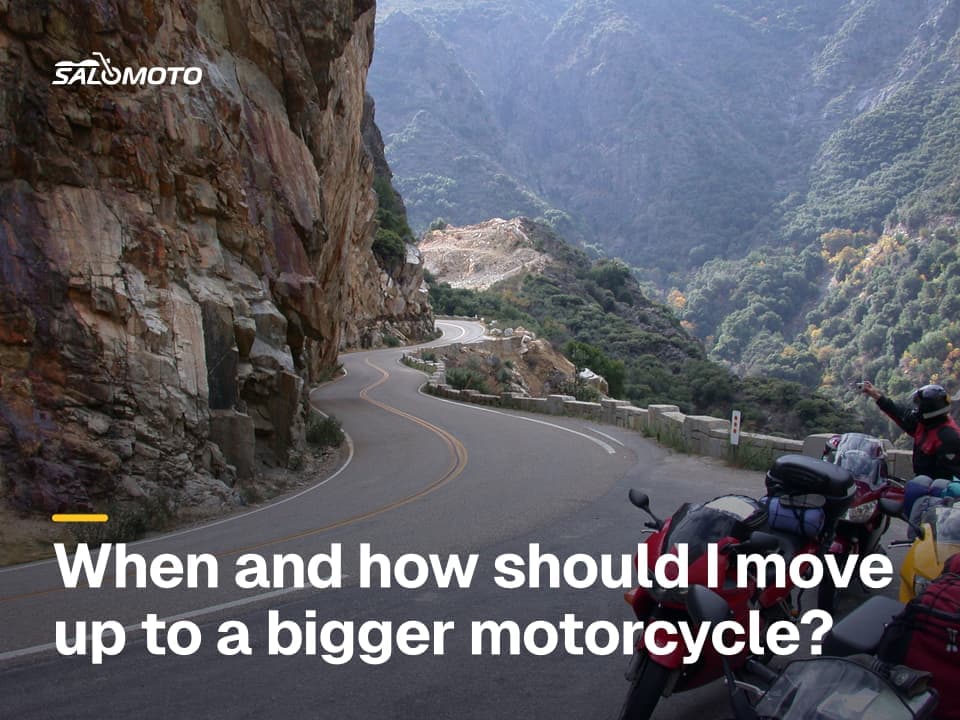
Missing a few boxes isn't a verdict on you, just a hint about the order of things. If you're planning that step, see moving up to a bigger motorcycle.
What changes in running costs
A liter bike costs more than its sticker price. The principles, without dollar figures:
- Tires: Lots of power and torque wear the rear tire faster, and sticky sport tires faster still.
- Insurance: Insurers look at the bike's type and value alongside your age, experience and record, and liter-class sportbikes tend to sit at the pricey end. Get quotes before you buy; cheap motorcycle insurance explains what drives the price.
- Gas: Big engines generally burn more, sometimes a lot more depending on how you ride.
- Wear and service: Chain, sprockets and brake pads work harder, and on a faired bike even a parking-lot tip-over gets expensive.
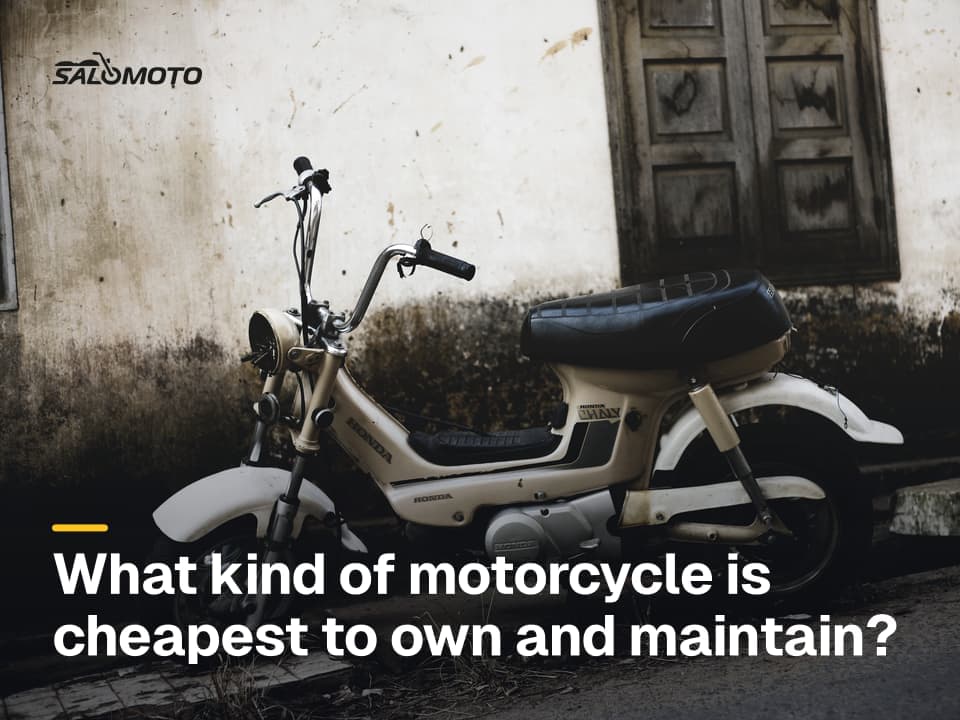
For the full picture, see a cheap motorcycle to own.
When a middleweight is the better answer
| Your situation | Honest lean |
|---|---|
| Lots of two-up touring with bags | a liter bike earns its keep here |
| Twisty back roads on weekends | middleweight: lighter, you use more of the engine |
| Commuting and city riding | middleweight: lighter, easier on gas |
| Limited experience or a long break | middleweight, decide again later |
| Track days with instruction | a sport liter bike can fit, a middleweight teaches more |
A bike whose engine you can actually wind out is often more fun on a tight road than one you're constantly holding back. A middleweight isn't a stage to get through, either: some riders go back to smaller bikes after years on big ones because lighter and nimbler simply suits their roads.
If you still want to try a liter bike, pay special attention on the test ride to:
- Throttle response in first and second gear at city speeds
- The difference between riding modes, including the mildest
- U-turns and pushing it around with a full tank
- Engine heat on your legs in stop-and-go traffic
Legal information on this page refers to the United States, where rules vary by state.