What makes a bike a sport tourer
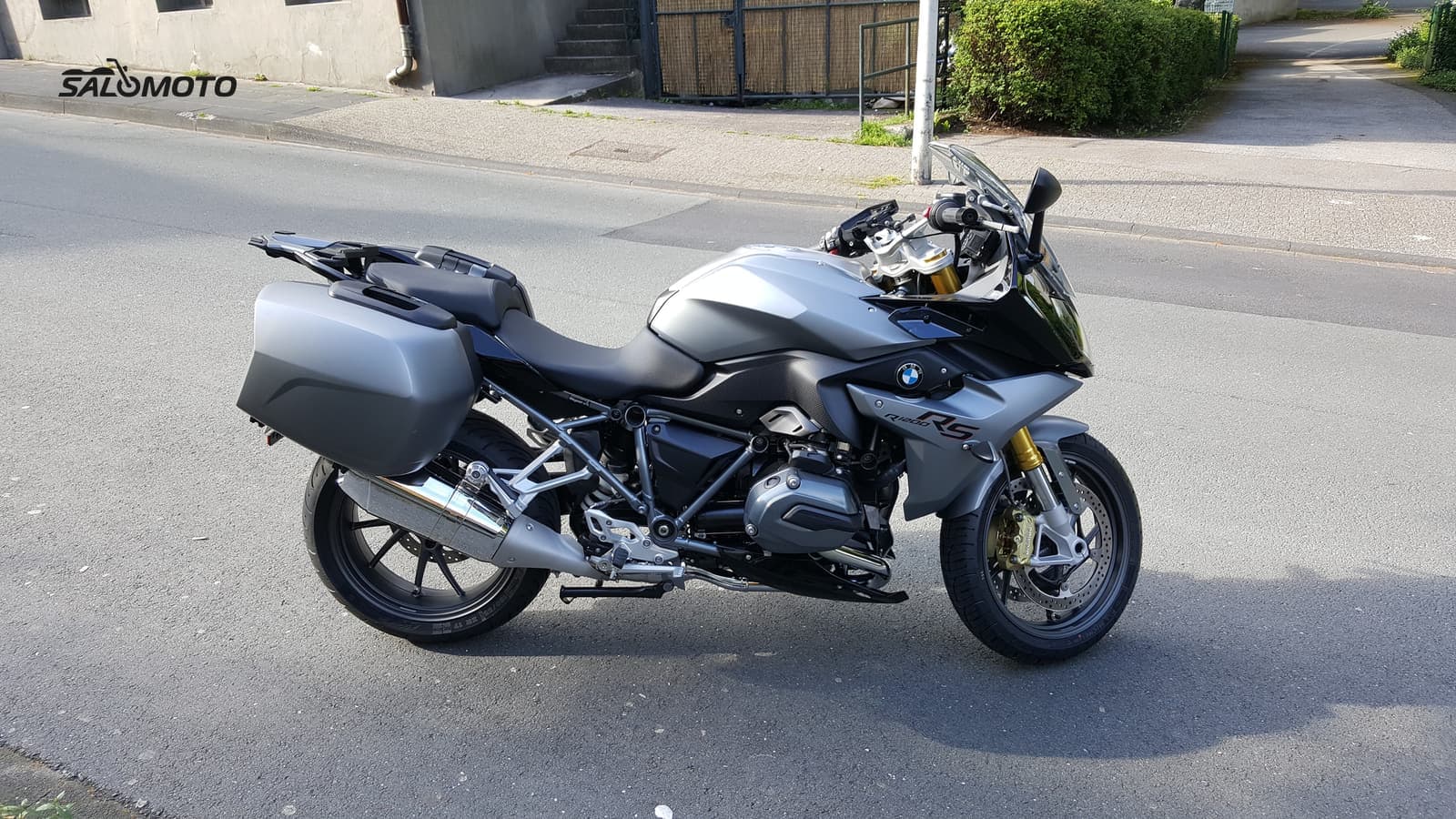
A sport-touring bike is a deliberate compromise. It gives you enough fairing, seat comfort and range for a full day in the saddle, plus the chassis and riding position to enjoy a twisty back road at the end of it. Expect a half or full fairing, a taller windshield than a sportbike, a more upright seating position, a big gas tank and hard bags designed in from the factory. Engines are usually tuned for strong midrange pull rather than peak horsepower.
So the real question is rarely "sport tourer or not?" It's how far toward sporty and how far toward comfortable. Some models sit close to a sportbike, others almost in full-dress touring territory, and the line between categories is blurry. Three questions sort it out:
- How long is a typical riding day? A two-hour loop, or a full day that starts with a long haul to the good roads?
- What roads do you ride? Smooth two-lanes, long interstate stretches, or broken-up county roads too?
- How much weight do you want to manage? Fairing, bags and a big tank add up fast.
The trade-offs between comfort and sport
Fairing and wind protection
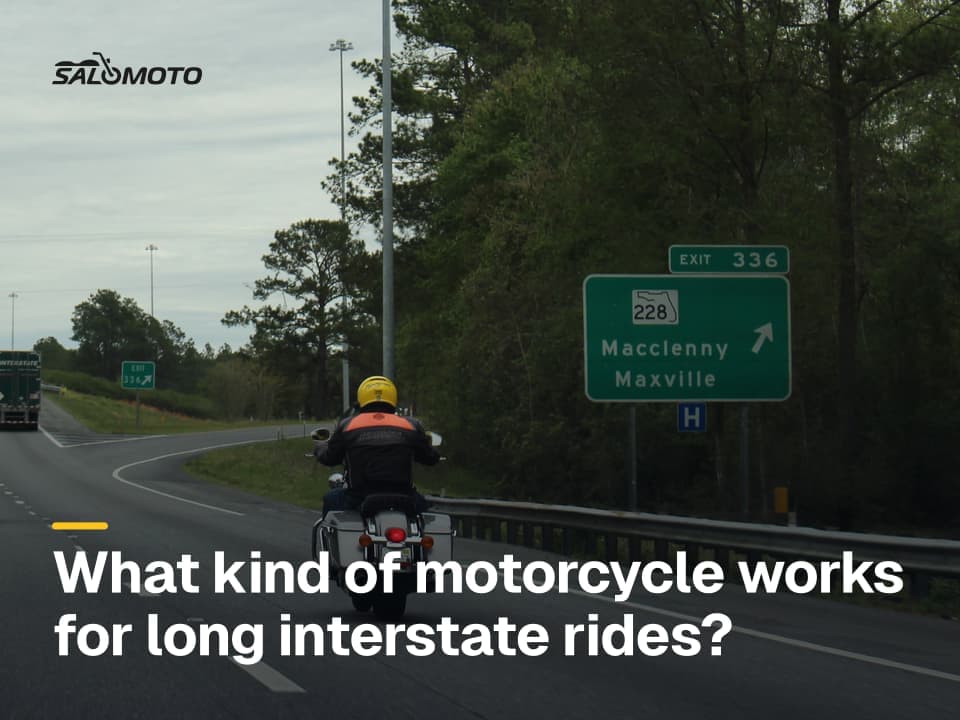
More wind protection isn't automatically more comfort. What matters is where the airflow meets your helmet. When the edge of the clean air sits right at visor height, you get buffeting that's louder and more tiring than steady, open wind. An adjustable windshield helps because your height and posture change the airflow a lot. The flip side: a big fairing traps more engine heat around your legs in summer. For what else matters on long highway stretches, see motorcycles for highway riding.
Bars, knees and wrists
Lower, more forward bars give you more feel for the front tire in corners, but they put weight on your wrists, especially at low speed when there's no wind holding up your upper body. Higher, rearset pegs add cornering clearance but close up your knee angle, which you'll feel in your hips and knees after a couple of hours. Many models have adjustable seats or bars. If seat height is already tight, read motorcycles for short riders.
Weight
A full fairing, a luggage system, a big tank and often a shaft drive make sport tourers some of the heavier road bikes out there. On the move, the mass feels calm and planted. In a sloped driveway, a gravel lot or a tight U-turn, you'll notice every pound. Always compare wet weight (ready to ride, full of fluids), not dry weight.
Shaft or chain
Shaft drive runs clean, lasts a long time and needs little care, which is why it's popular on sport tourers. It's heavier and usually adds cost; the tendency of the rear to rise under throttle is largely tamed on modern designs. A chain is lighter and more direct but needs regular attention, on the road too. Neither is right or wrong. It comes down to how much wrenching you want to do on a trip.
Equipment for long days
Typical features include heated grips, cruise control, an adjustable windshield, a center stand and a power outlet for your GPS or phone, and on many current models riding modes and electronically adjustable suspension. Check what's standard and what's in a package: when you compare two bikes, the equipment list often decides it.
Sport tourer, adventure bike, full tourer or naked with a screen?
| Type | Strengths | Trade-offs |
|---|---|---|
| Sport tourer | wind protection, stable in fast sweepers | heavy, can feel sporty depending on model |
| Adventure bike | upright, long suspension, rough roads | tall seat, often more wind at the helmet |
| Full tourer | maximum comfort, lots of storage, two-up room | very heavy, less cornering clearance |
| Naked with screen | lighter, upright, easy every day | little weather protection, smaller bags |
The categories are bleeding into each other: road-focused adventure bikes and so-called crossovers with an upright position and a tall screen now compete directly with sport tourers. If you honestly ride a lot of rough pavement or dirt roads, an adventure bike is the better match. And if most of your riding is day trips with the occasional weekend away, a naked bike with a small screen and soft bags often does the job.
Which kind of sport tourer fits your riding
- Long solo trips on good roads with lots of miles to get there: a fully faired sport tourer with shaft drive and integrated hard bags.
- Twisty local loops plus the occasional weekend: a lighter, sportier model with a chain, or a crossover with removable bags.
- Riding two-up often: passenger seat, peg position and payload start to matter more than sportiness; see motorcycles for two-up riding.
- Long trips with lots of gear: bag volume and payload help decide, covered in motorcycles for travel and luggage.
- As a second bike next to a dual-sport or a fun bike: then it can be built purely for distance; see choosing a second motorcycle.
What to check on a sport-tourer test ride
The general checklist is in our guide to the first motorcycle. On a sport tourer, add these:
- Ride long enough to include some back roads and a stretch of highway
- Try every windshield position: where is it quiet at your helmet, where is it loud?
- After a while: pressure on your wrists, aching knees or hips?
- In town traffic: how much engine heat reaches your legs and feet?
- Walk it around with a full tank, push it backward, lift it onto the center stand
- With the bags on: how wide is it in your garage and between cars?
- Work the heated grips, cruise control and menus with gloves on
- Mirrors: can you see past the bags?