What your first bike taught you
When you bought your first motorcycle, you were going on spec sheets, looks and other people's advice. This time you have something better: your own riding history. Use it before you start browsing listings. Three honest questions:
- Where did you actually ride? Not where you pictured yourself riding. Short commutes, evening loops, mountain roads on vacation, interstate miles to meet friends?
- What bugged you? Wind blast at highway speed, a seat that hurt after an hour, engine heat in traffic, nowhere to put a bag, a passenger who didn't want to come along twice.
- What did you skip because of the bike? The trip that felt too long for it, the gravel road you turned around on, the days you took the car instead.
| What bugged you | What the next bike needs |
|---|---|
| wind and neck strain on long rides | a fairing or tall screen, a more upright position |
| sore after an hour in the saddle | a wider seat, more legroom |
| no room for luggage or a passenger | a rack, a solid subframe, a real passenger seat |
| tired of wrestling it in parking lots | less weight, a lower center of gravity |
| bored on twisty roads | nimble handling, an engine with character |
The right-hand column is your shopping list. The category follows from it, not the other way around.
Trade it in or build a two-bike garage?
Selling or trading in your first bike and replacing it is the simplest route. It makes sense when one motorcycle can cover all your riding and the first one has just become too small, too uncomfortable or too dull.
Keeping it and adding a second bike makes more sense when your history shows two needs that pull in opposite directions. Common pairings:
- a light, cheap-to-run bike for daily use and a bigger one for weekends and trips
- a touring bike for long days and something light for tight back roads or dirt
- a bike set up for a passenger and luggage, and one that's just for you
One rule of thumb from experience: a bike that sits for months becomes a chore instead of a treat. Keep the first one only if you can give it a real job. If riding with a passenger is part of the plan, see motorcycles for two-up riding.
What two bikes really cost
Two motorcycles means two sets of fixed costs. Each bike carries its own registration and usually its own insurance policy, and what your state charges and requires differs from place to place, so look up the details with your state DMV. Batteries and tires age even when the miles are low, and the second bike needs dry, secure parking too.
Before you commit, ask your insurer a few concrete questions:
- Do you offer a discount for insuring more than one motorcycle?
- How would you price the second bike if it's ridden only part of the year?
- Can coverage be reduced while a bike is in winter storage, and what would that leave uncovered?
Get the answers in writing and compare them to what selling the first bike would bring. For the rest, see cheap motorcycle insurance and motorcycles that are cheap to own.
The "same bike, only bigger" trap
The obvious move is to buy the same kind of bike with a bigger engine: the first one was fine, so more of it must be better. That's the right call if the only thing you missed was power and everything else worked: riding position, the roads you ride, how it felt in a parking lot. In that case, read moving up to a bigger motorcycle.
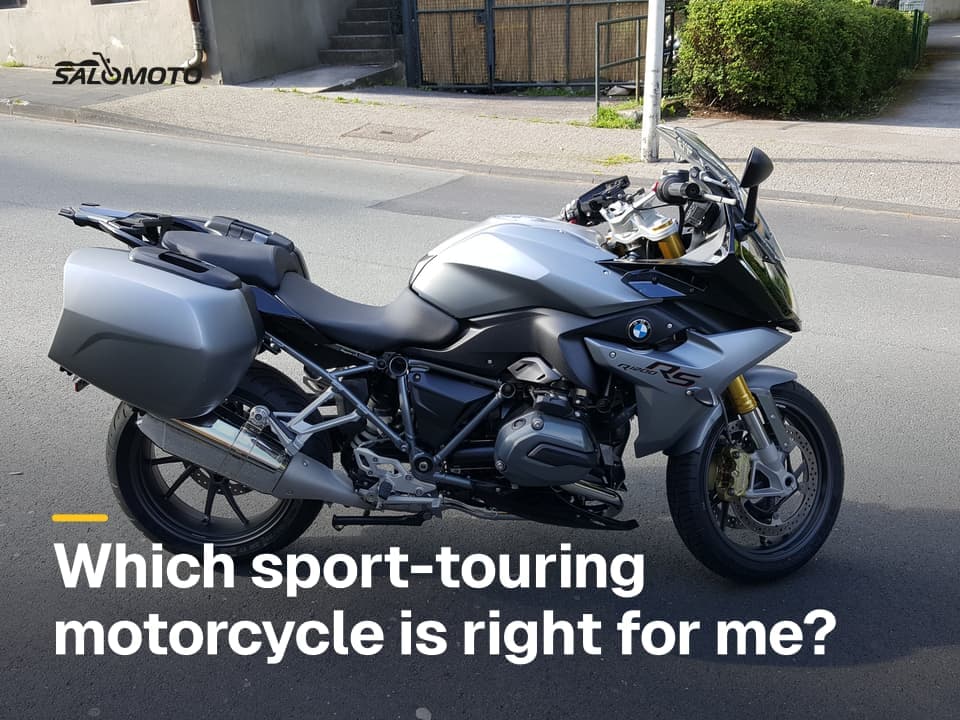
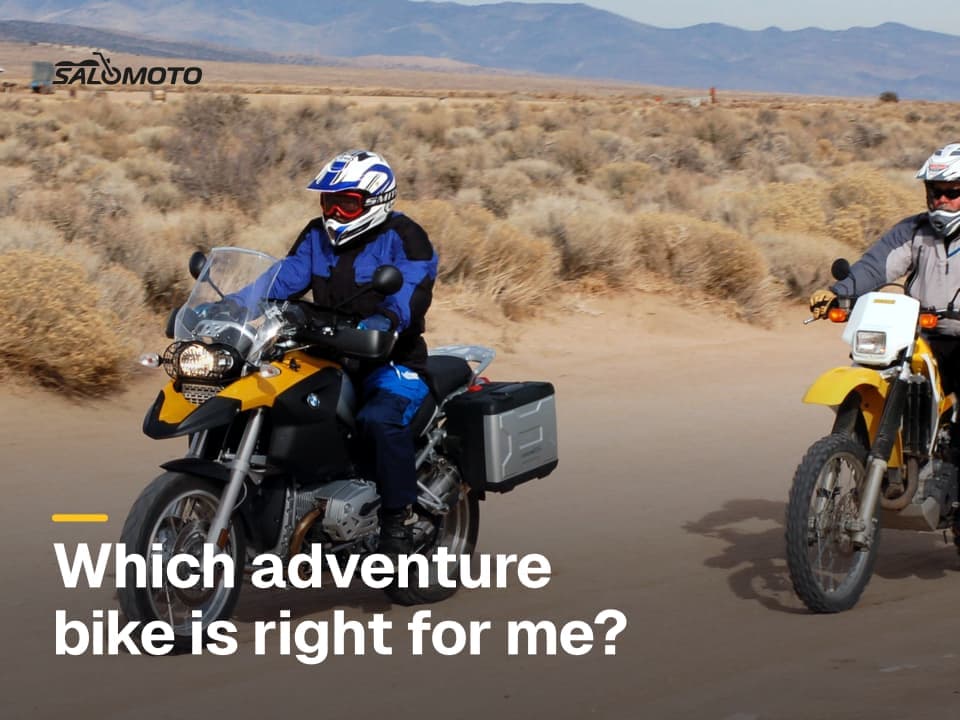
More often, something else bugged you, and a bigger bike of the same type makes exactly that worse: more weight in the parking lot, more wind blast at higher speeds. If long days are what you want, an honest look may point you to a sport-touring bike. If you want trips that include rough roads, look at an adventure bike. Switching category feels unfamiliar at first, but it often fits the rider you've become better than a bigger version of your first bike.
Test-ride it against your own bike
This time you have a benchmark you didn't have before: the bike in your garage. The general checklist is in choosing your first motorcycle; for a second bike, add these:
- Ride your current bike to the test ride and compare right afterward
- Test exactly what bugged you before: wind, seat, heat, low-speed handling
- Ride a route like your usual one, not just a lap around the dealer's block
- Check luggage and passenger setup if they're on your list
- If no test ride is on offer, look for a demo day or a rental of the same model
- Ask yourself honestly: does this bike fix my problem, or is it just new?
Whether to buy new or used is its own decision, covered in new or used motorcycle.