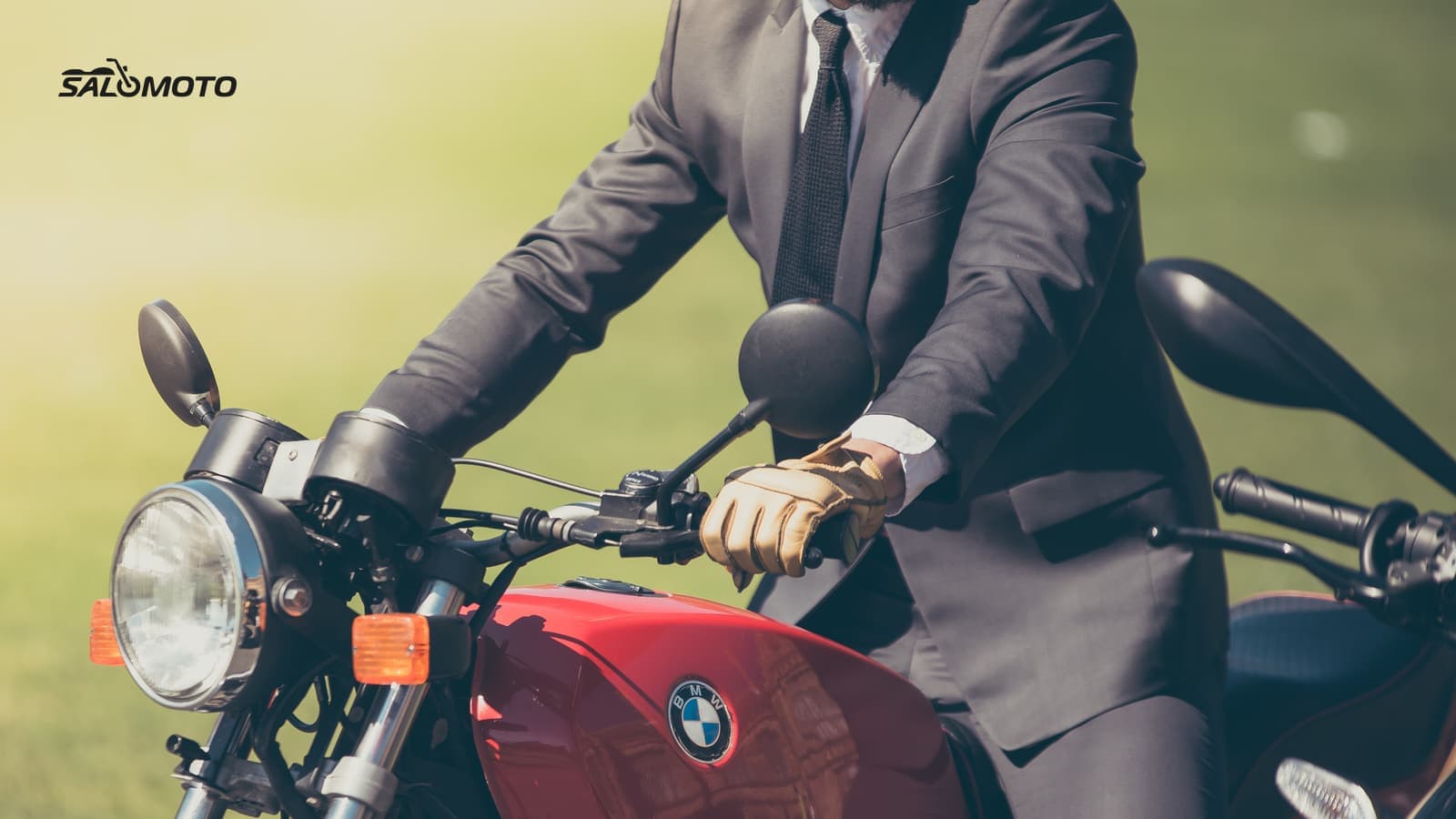
Starting at 30: what actually shapes the choice
Thirty isn't late, and it doesn't automatically make you the sensible type either. Age tells you nothing about how well you'll ride. Your life situation tells you a lot, and for many people starting around 30 it looks something like this:
- You earn your own money, but rent or a mortgage, family and career all have a claim on it.
- Free time is tight: the course, practice and weekend rides have to fit around everything else.
- You've probably driven for years, so you know how to read traffic. Balance, clutch work and where to look on a motorcycle are new.
- Maybe you rode in your teens and are coming back after a long break. If so, also read getting back on a motorcycle.
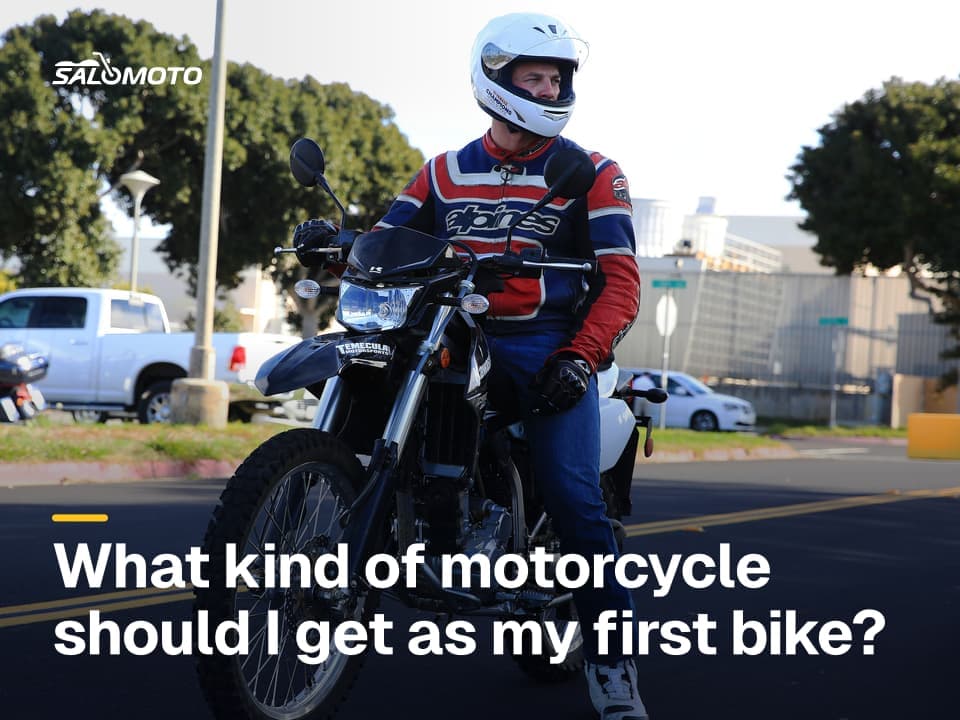
So the useful question isn't "what do 30-year-olds ride?" It's what fits your body, your experience and the life the bike has to fit into. Which kinds of motorcycle make an easy start is covered in choosing your first motorcycle; this page is about what changes when you're starting as an adult.
Getting licensed as an adult
There's no national motorcycle license in the US. Each state sets its own process, so check with your state DMV. The common pattern looks like this:
- Knowledge test for a motorcycle learner's permit.
- Permit period with restrictions that vary by state. California permit holders, for example, can't carry passengers, ride after dark or use the freeway.
- Skills test, or an approved rider course. In many states a course such as the MSF Basic RiderCourse or the state's own program can waive the road test. Some states require the course for every new rider: Florida does for anyone adding a motorcycle endorsement.
Here's the part that matters for choosing a bike: in most states a full Class M license or endorsement covers any motorcycle, whatever its size. Unlike in Europe, there's usually no power tier that steps an adult up gradually. The DMV tells you what you're allowed to ride, not what you're ready for. That judgment is yours. How the license works state by state is covered in what you can ride on which license.
The dream bike: now or later?
At 30, with a paycheck and a license that covers everything, the bike you've wanted for years is suddenly within reach. It can work, if it also suits the rider you are right now. Ask yourself three honest questions:
- Can you handle it at walking pace? Pushing it across the garage, backing out of a sloped spot, a U-turn on a narrow street. A bike you're nervous about at a stop is a bike you'll ride less.
- How does it make its power? An engine that pulls smoothly and predictably forgives the mistakes every new rider makes.
- What does a tip-over cost? Levers, mirrors, bodywork, and on big, expensive bikes often the insurance too. How insurers price new riders is covered in cheap motorcycle insurance.
A proven middle path: ride a manageable bike for your first season or two, ideally one that's easy to sell on. Whether that should be new or used is its own decision, see new or used motorcycle. After a few thousand miles you'll know far better which dream bike you actually want, and it's often not the one you pictured before the course.
Buy for the life you actually have
Plenty of people buy for the cross-country trip and then mostly ride to work. Picture a normal week and where the bike will live:
| Your week | What matters most |
|---|---|
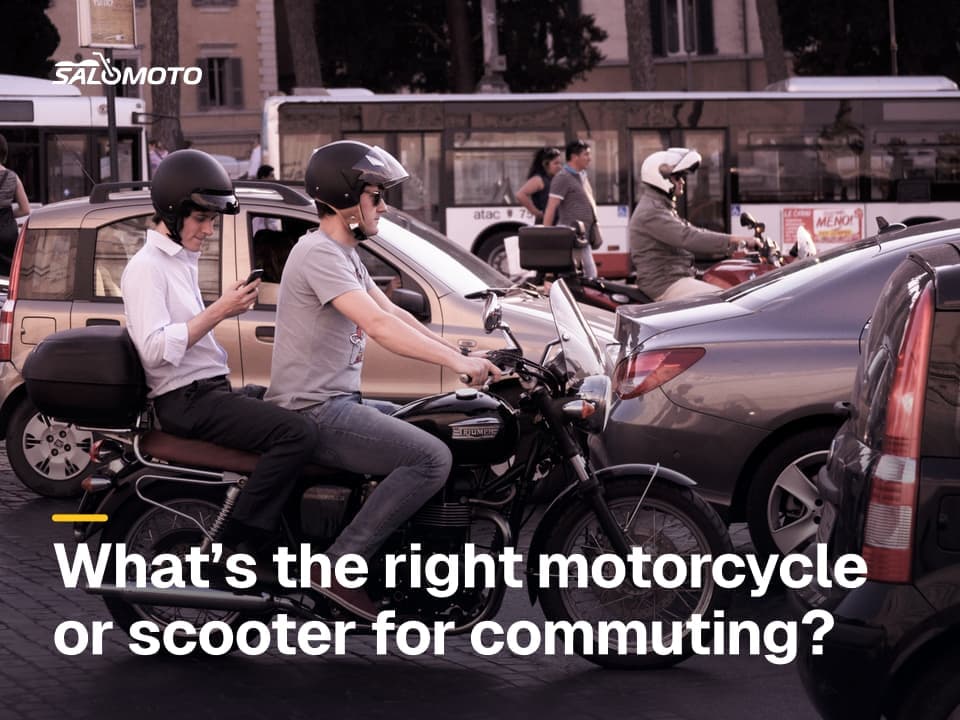
| Commuting, city, short on time | nimble handling, weather protection, storage |
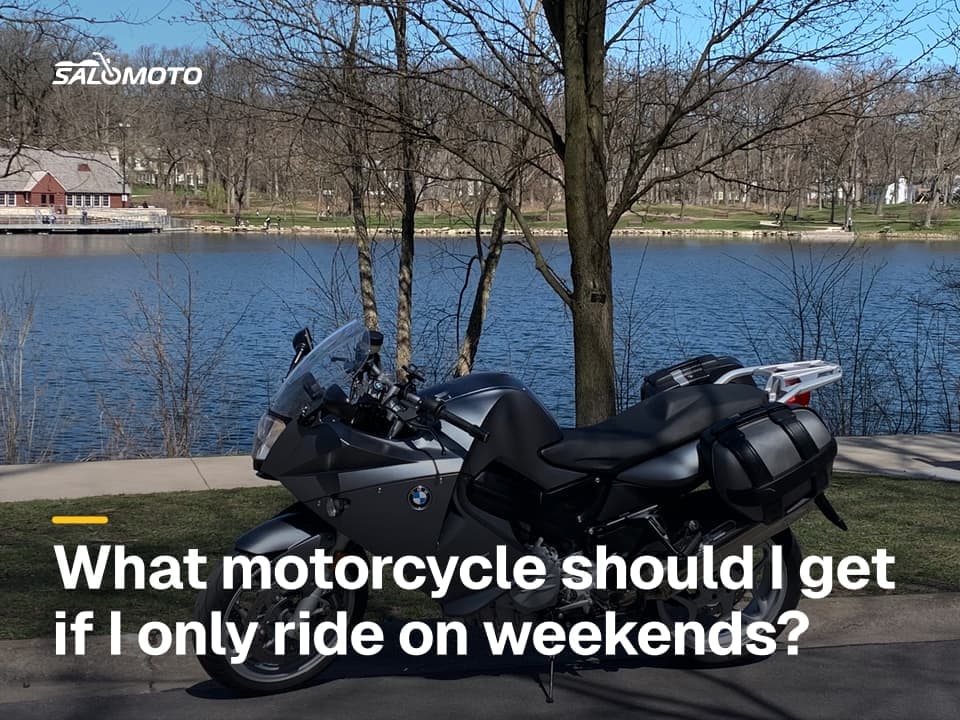
| Weekend back-road rides | fun on curves, comfortable for a few hours |
| Road trips | seat comfort, wind protection, luggage |
| Riding two-up regularly | room and footpegs for a passenger |
| Tight or sloped parking spot | low weight, easy to maneuver |
For the daily ride, see the right commuter motorcycle; for Saturdays, a weekend motorcycle; for longer trips, a motorcycle for travel and luggage; and for a passenger, riding two-up. Be honest about time, too: if you'll realistically ride a few hours every other weekend, a bike that feels familiar the moment you get on beats one you have to get used to all over again.
Put gear and training in the budget
Helmet laws vary by state. Some require helmets for every rider, others only for younger riders, and a few have no helmet law at all. Wear a DOT-compliant helmet regardless, plus a jacket, gloves, pants and boots made for riding. Split your budget before you start browsing listings:
- the bike, plus registration, insurance and a first service
- protective gear that fits and that you'll wear even for short trips
- the rider course, and a follow-up course after your first season
- a reserve for tires, small parts and your first tip-over
- regular practice time on the calendar, even in busy months
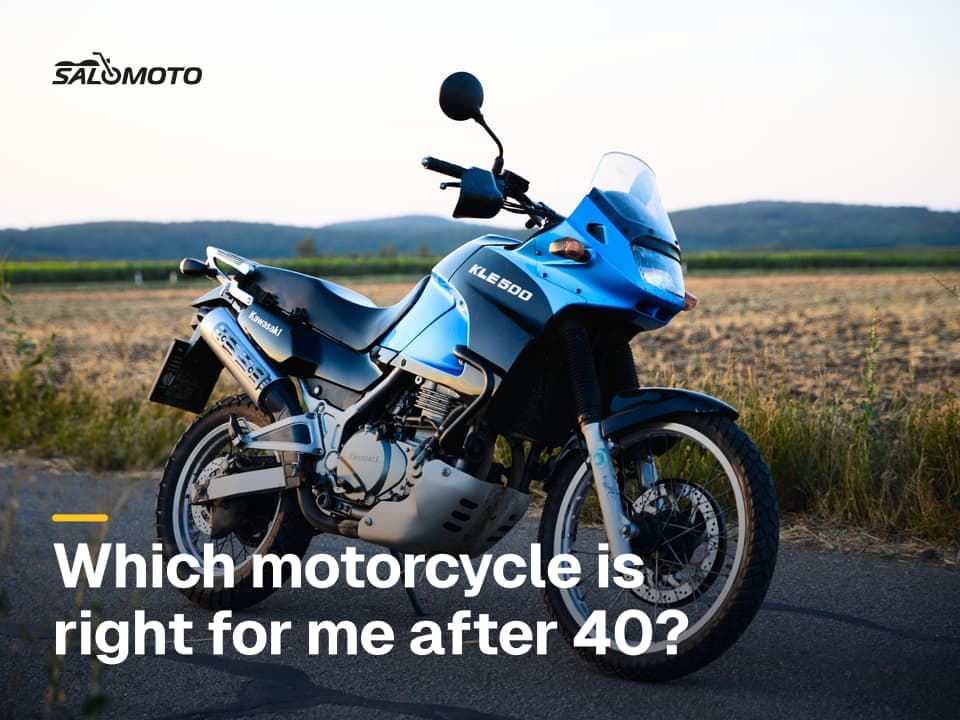
With less free time, experience builds more slowly, and a course on your own bike after a few months helps close that gap. Running costs and buying used are covered on our page for new riders and in a motorcycle that's cheap to own. Curious how these questions shift a decade on? See riding after 40.
Legal information on this page refers to the United States, where rules vary by state.