Fit matters more than your age
"Am I too old for this?" is usually the first question, and the least useful one. A motorcycle doesn't care what year you were born. It cares whether you can hold it up, move it around and ride it comfortably for hours. If you start at 40, 50 or later, you probably bring decades of reading traffic, spotting hazards and keeping a cushion from a car seat. What's new is balance, clutch control and where you look on two wheels, and that's exactly what a course and practice teach.
What does change over the years varies from person to person. For some it's the lower back, for others the wrists or knees, and nearly everyone eventually holds a menu farther away to read it. None of that rules out riding. It's simply a good reason to let your body steer the shortlist.
If you rode before and are coming back after years off, also read getting back into riding. For a different life stage, compare getting a motorcycle at 30.
Riding position: back, wrists, knees
Ergonomics decide whether you need to climb off after an hour or can't wait for the next one. Handlebar, seat and footpegs form a triangle, and each corner loads a different part of you.
| Body area | What helps | What to check |
|---|---|---|
| Back | upright torso, well-sorted suspension | no long lean forward, no pegs far forward |
| Wrists | bars close and high enough, weight on the seat | adjustable levers, a light clutch |
| Knees and hips | open knee angle, lower pegs | swinging a leg over seat and luggage |
| Neck and shoulders | calm airflow around the helmet | head checks without twisting your torso |
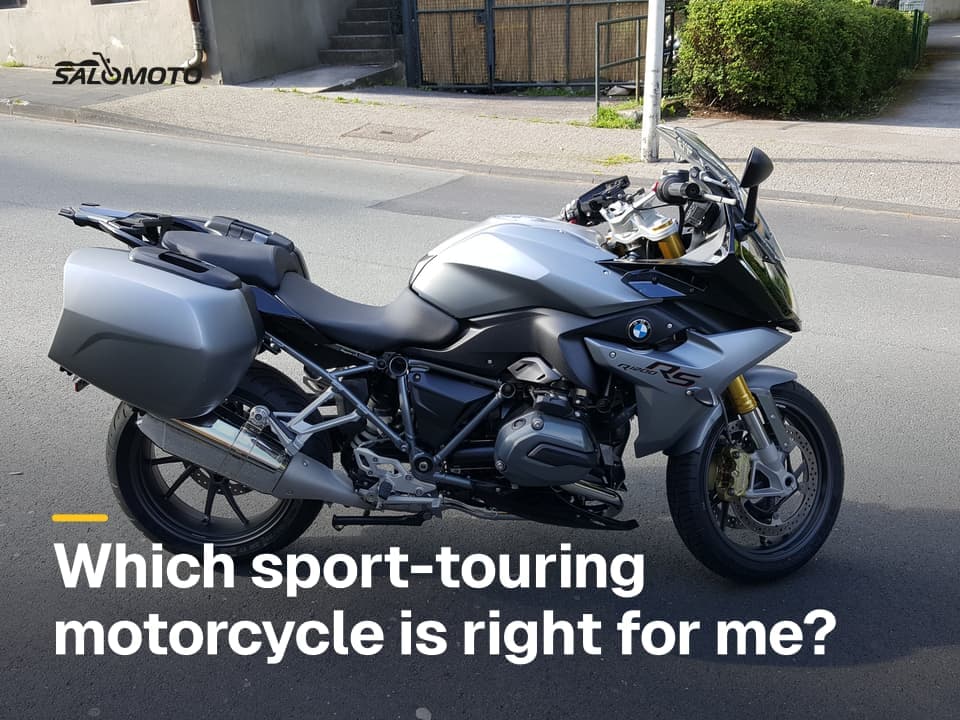
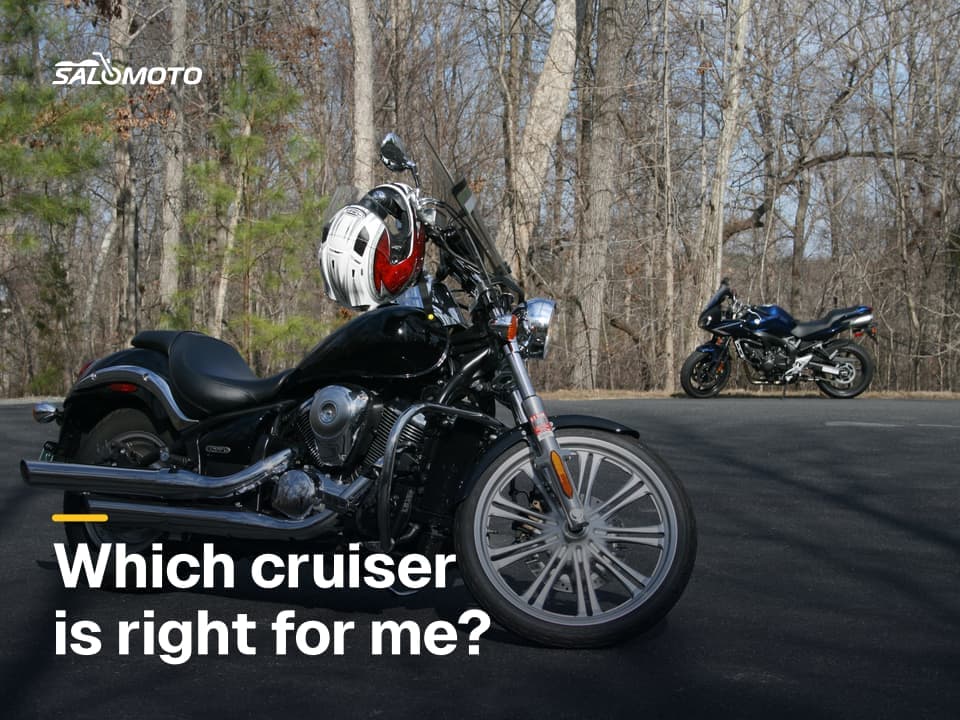
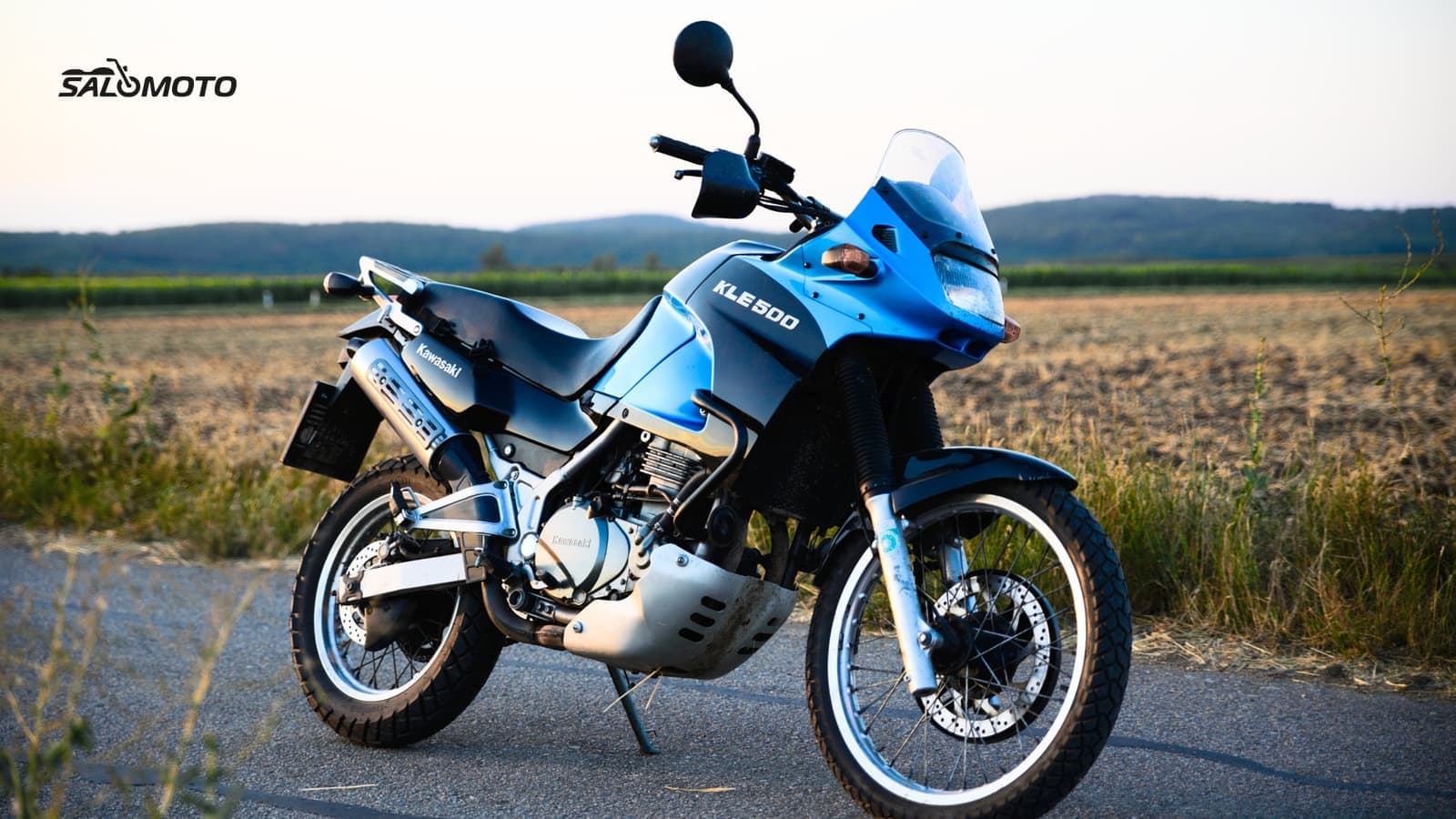
Naked bikes, modern classics and crossovers with tall bars often give the most neutral position. Adventure bikes sit upright too, but many are tall and heavy. A sport-touring bike keeps the wind off better but usually asks for a bit more lean. A cruiser has a low seat, yet feet-forward controls let bumps travel into your lower back. If seat height is the sticking point, see motorcycles for short riders or motorcycles for tall riders.
Weight you enjoy moving
The real test isn't whether you can just about hold a heavy bike upright. It's whether you like moving it: pushing it out of the garage, turning it around in a gravel lot, hauling it onto the center stand. A bike that intimidates you at a standstill stays parked on days you're unsure.
- A low center of gravity feels lighter than the same pounds carried up high.
- A center stand is handy but takes technique; have someone show you.
- A big budget doesn't call for a big bike: more displacement usually brings more weight.
Eyesight, wind and comfort extras
Close-up focus changes for everyone with time; the National Eye Institute says presbyopia usually shows up after 45. For choosing a bike, that means reading the dash with the glasses you actually ride in, and with sunglasses against low sun. A large, high-contrast display and well-placed mirrors are a genuine plus.
Wind protection drives fatigue. On short loops a naked bike feels pleasantly airy; on long highway days the windblast works on your neck and shoulders. An adjustable windscreen is a good middle ground.
Comfort features aren't a sign of weakness; they're good planning: heated grips, cruise control, adjustable levers, seats in more than one height, and a quickshifter that spares you most trips to the clutch. If the clutch itself is the problem, read automatic vs. manual motorcycles.
Starting out after 40: license, training, gear
There's no national motorcycle license in the US. Each state adds a motorcycle class or endorsement, often called Class M, usually after a knowledge test, a learner's permit and a skills test. In many states an approved rider course such as the MSF Basic RiderCourse waives the skills test; New York does this for its in-state courses, and Florida requires the course for every new endorsement. How licensing works in general is covered in which motorcycle with which license.
Your license doesn't cap engine size, which makes it tempting to buy big right away. A lighter, upright bike for your first season gets you more miles and more confidence; trading up later is easy.
Checklist: does this bike fit your body?
- Get on in full gear: does your leg clear the seat and any luggage easily?
- Set the lever reach: do your fingers find clutch and brake without stretching?
- Read the dash with your glasses and with sunglasses, including into the light
- After 45 minutes: how do your lower back, wrists and knees feel?
- Do a head check both ways without turning your whole upper body
- Work the windscreen, heated grips and cruise control with gloves on
- Put the bike on the center stand and take it off again
For the general sit-and-test-ride checks, use the list in choosing your first motorcycle.
Legal information on this page refers to the United States, where rules vary by state.