Coming back isn't picking up where you left off
Returning riders have a real head start: throttle and clutch feel, where to look, how a bike leans. That head start is also the trap. Your memory knows the rider you were, while your hands and reflexes are working at today's level.
A French study from Université Gustave Eiffel (2022) followed returning riders in real traffic and surveyed nearly 1,600 motorcyclists. The longer the break, the weaker riders rated their own skills, especially cornering, managing speed and braking, slow-speed handling and reading traffic. Among those who had been off for more than ten years, one in five needed over six months to feel at ease again. Most also ended up on a different kind of bike than before.
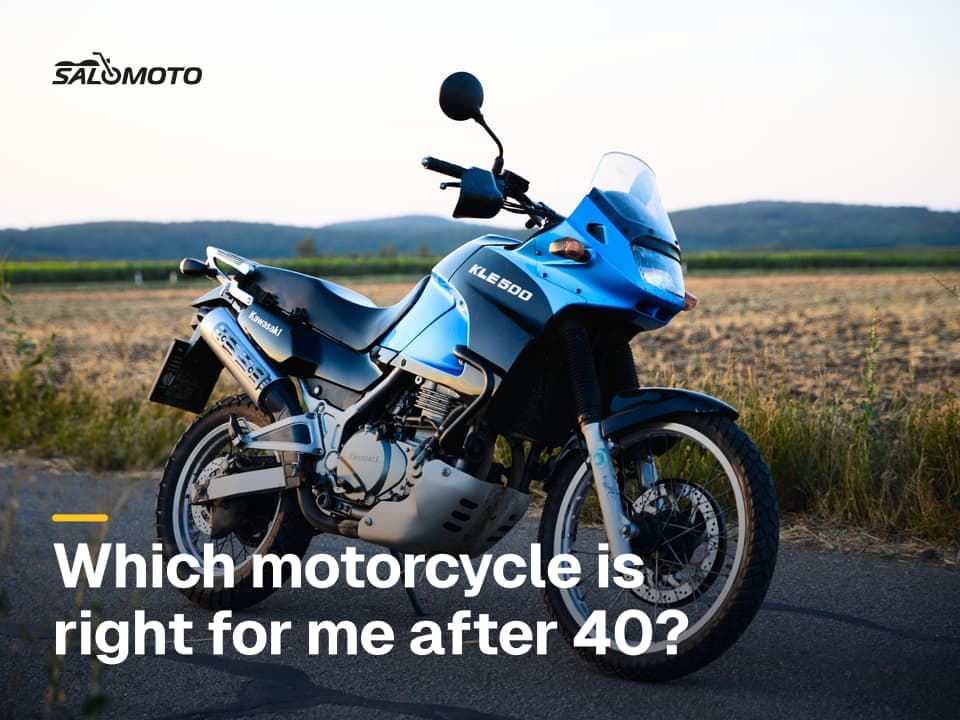
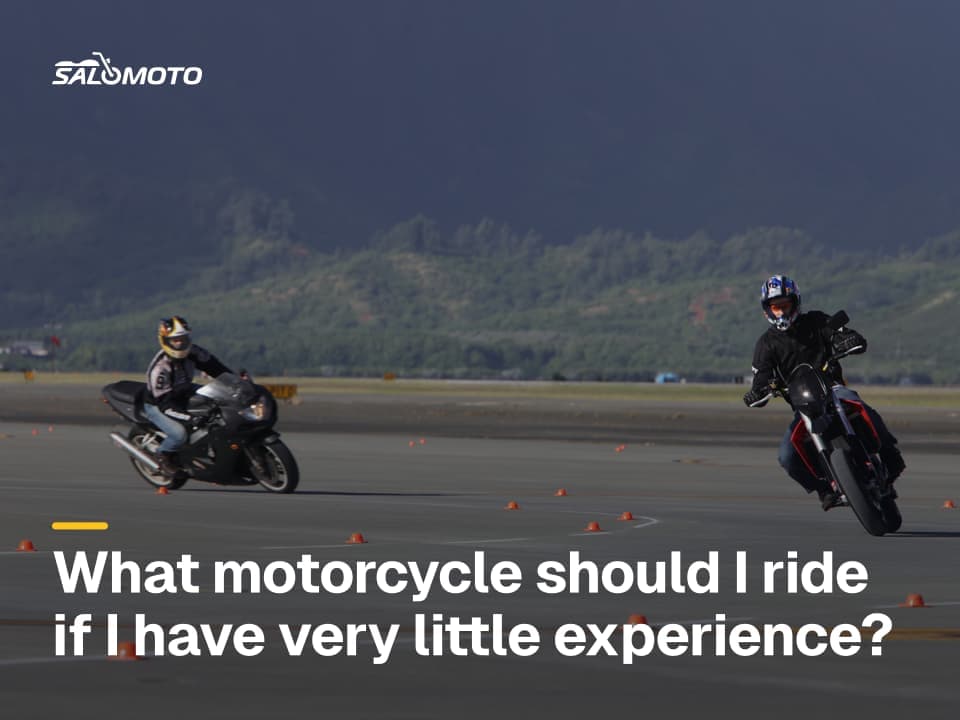
If you never rode much even before your break, riding with very little experience fits you better. If you're starting or restarting later in life, see getting a motorcycle after 40 too.
Train first, buy second
Order matters. Buy first and you've committed to a bike before you know what you can handle today.
- Check your license: Is the motorcycle endorsement or class still on it? More below.
- Get back in shape on a training bike: a basic course, or a course for riders with some experience. Some training sites run a one-day Basic RiderCourse 2 (BRC2); in Michigan, for example, passing it waives the state's riding and written tests.
- Rent before you guess: a weekend on a rental tells you more than any spec sheet.
- Test-ride a shortlist: two or three bikes back to back.
- Buy, then take an advanced course on your own bike.
What's changed since you last rode
| Tech | What it does | What it means for you |
|---|---|---|
| ABS | keeps wheels from locking under hard braking | far more common now; check the spec sheet |
| Ride-by-wire | throttle controls the engine electronically | makes riding modes and cruise control possible |
| Riding modes | change throttle response and power delivery | a soft mode eases the first weeks |
| Traction control | limits rear-wheel spin | helps in the wet, doesn't replace feel |
| TFT dash and menus | show modes, assists, navigation | learn them parked, before your first ride |
Some bikes add cornering ABS on top. All of this catches mistakes, but it doesn't rebuild your skills for you, and scrolling through a menu at a light means your eyes aren't on traffic.
Power has changed too. The same displacement often makes a lot more power than it did twenty years ago, so compare actual output and, more importantly, how it comes on.
Start one step below your old bike
The classic comeback mistake is to pick up where you left off, or one step higher "because I've got experience." Choose a bike for the rider you are today:
- Weight: Can you push it, back it out of a parking spot and hold it on a sloped driveway?
- Riding position: Upright is kinder to a back, wrists and neck that may have changed over the years.
- Power: smooth from low revs rather than peaky up top; less than you had before.
- Seat height: solid footing with a full tank and on a crowned road.
- Eyesight: Can you read the dash and mirrors comfortably today?
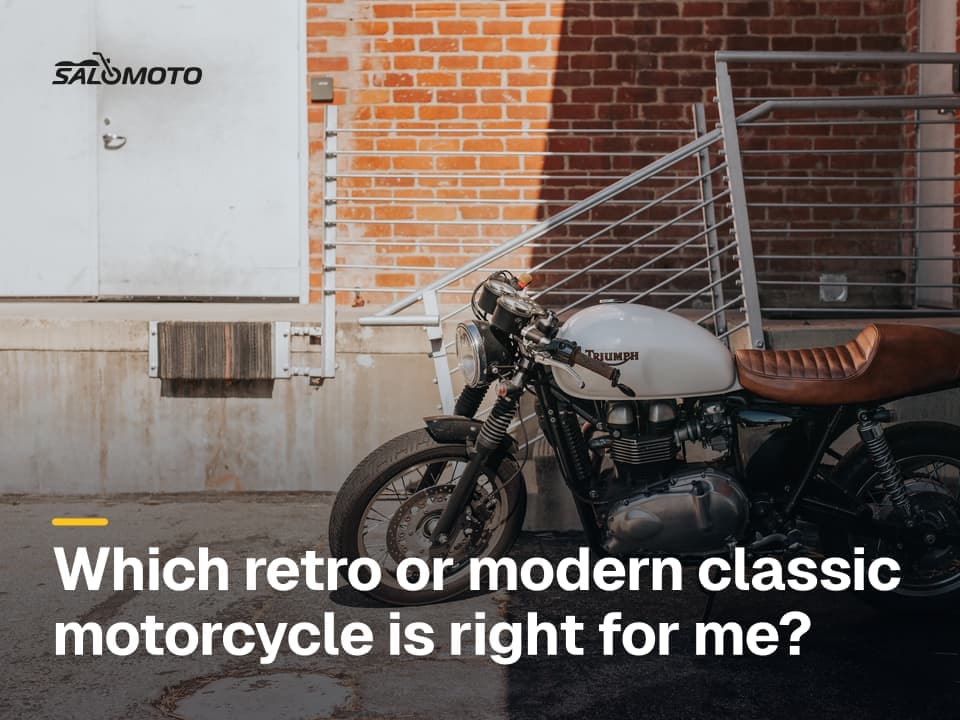
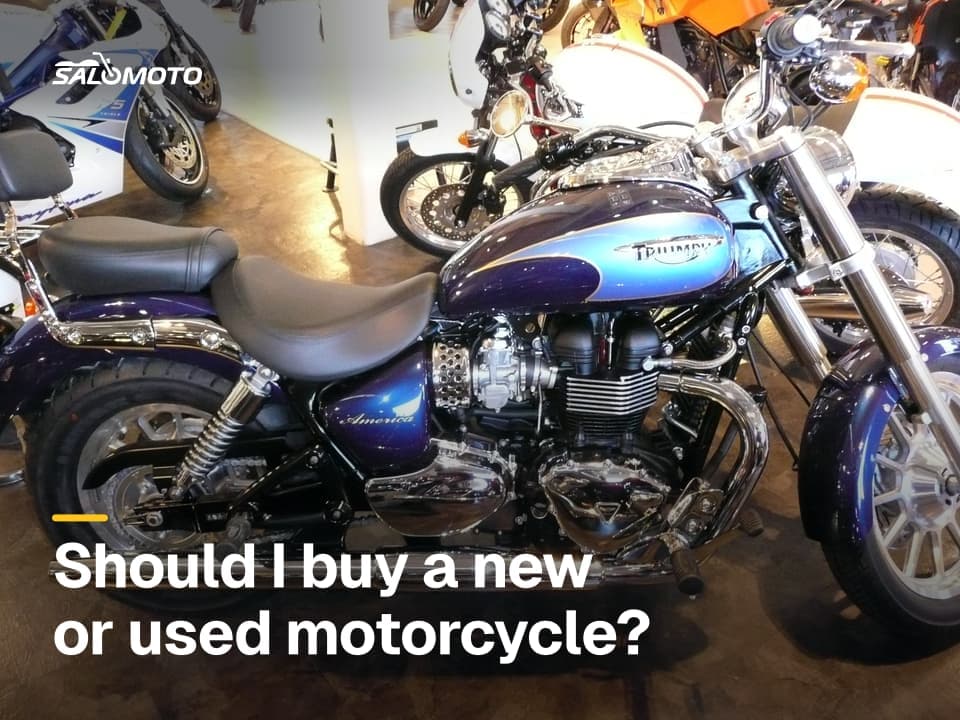
Plenty of returning riders are drawn to retro bikes that echo what they rode back then. That can work well, but the category runs from light to heavy; see choosing a modern classic. For the purchase itself, new or used walks through the trade-offs.
Your license: what to check
There's no national motorcycle license in the US; each state sets its own rules. Look at your license for the motorcycle endorsement or class (often "M"). If your license lapsed or was replaced at some point, states differ on whether the endorsement carried over and whether you need to retest.
Test-ride checklist for returning riders
- Parked: work through the menu, modes and switches until you can do it without looking
- Start in the softest riding mode
- In an empty lot, try a firm stop and feel the ABS work
- Ride at walking pace and make tight turns; this skill rusts fastest
- Read the dash and mirrors: without readers, with sunglasses, against the sun
- After an hour, check honestly: back, wrists, knees?
- Ride in your own gear and see if it still fits
For the general sit-and-test-ride checklist, see choosing your first motorcycle.
Legal information on this page refers to the United States, where rules vary by state.