Why being tall is its own fit problem
Short riders fight the ground. Tall riders fight for room on the bike: knees folded up, bars too close to your belly, elbows bumping your thighs in a U-turn, and a windshield that shakes your helmet on the freeway. Researchers at the University of Waterloo studied this with digital rider models and found that taller riders have to bend their ankles, knees, hips and elbows more to operate a motorcycle properly.
What matters is where your length is. Two riders at 6'3" can have completely different problems:
- Long legs: the distance between seat and pegs is the bottleneck, and your knees bend too sharply.
- Long torso: your helmet sits in the turbulence behind the screen, and the bars feel too close.
- Long arms: your elbows or hands hit your knees when you turn the bars.
So measure your inseam, not just your height, and write down what bugged you on bikes you've ridden. That's the best prep for any dealership visit.
Seat, pegs, bars: check the triangle
Seat height on its own tells a tall rider very little. What counts is the triangle between seat, footpegs and handlebar, and whether it fits your body.
Knees and pegs
The farther the pegs sit below the seat, the more open your knee angle. High, rear-set pegs fold long legs up. Ten minutes in, that can feel sporty; two hours in, your knees and hips will let you know.
Bars and torso
Bars that are too low or too close force a rounded back or splayed elbows. You want your arms loosely bent and your upper body not resting its weight on your wrists.
Tank, cockpit and seat length
Notice where your knees meet the tank, whether you can read the display without craning, and whether the mirrors show traffic or just your shoulders. If you slide back until you hit the step up to the passenger seat, the rider's seat is too short for you.
Which kinds of bikes tend to have room
| Type | Often good for tall riders | Watch for |
|---|---|---|
| Adventure bike | tall seat, lots of room, upright | weight, windshield buffeting |
| Dual-sport, supermoto | long flat seat, high bars | narrow, firm seat on long rides |
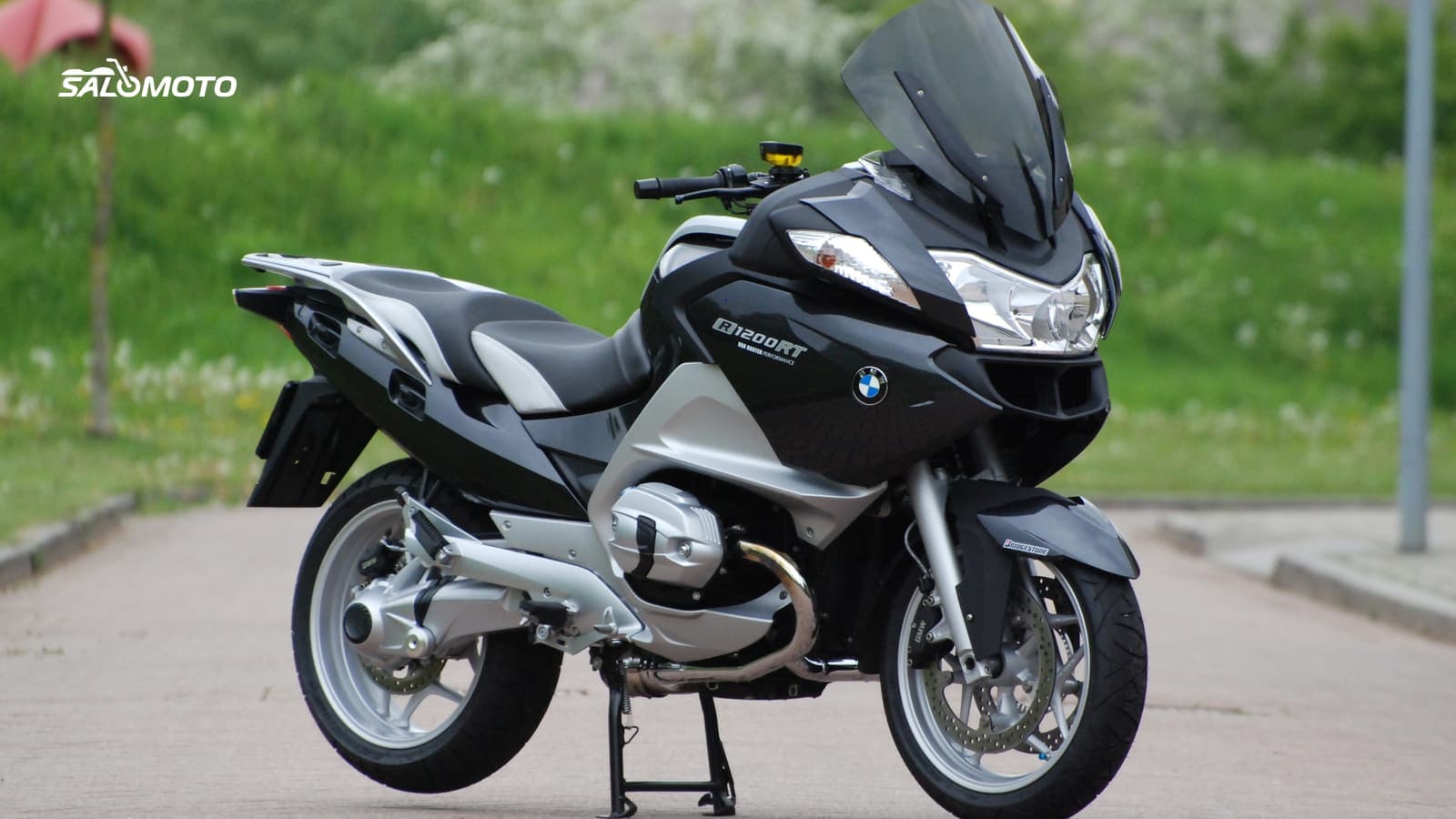
| Touring, sport-touring | roomy ergonomics, adjustable windshield | weight, fairing close to the knees |
| Standard / naked, retro | varies a lot by model | peg position, little wind protection |
| Sportbike | sporty position | sharply bent knees, weight on your hands |
| Cruiser | forward controls instead of mid-pegs | bars can be close, your back takes it all |
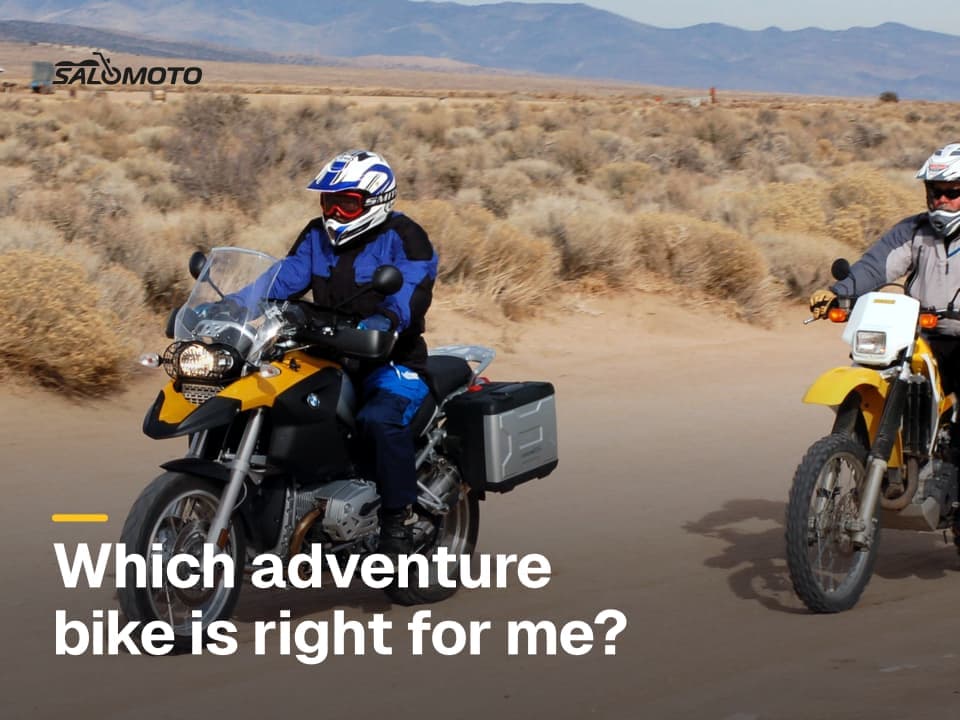
Treat that as a tendency, not a rule. Riders' guides in France and Spain name adventure bikes as the roomiest class for tall people, and touring bikes are known for generous room too. To choose within that class, see which adventure bike is right for me; whether a supermoto suits you is covered in which supermoto is right for me.
Wind at your helmet
If you're tall, you probably know this one: the screen throws the airflow right at your visor, your helmet bobs and the noise climbs. That's not just the screen. Your seated height, torso length and helmet all change where the turbulence lands. A screen is sized to the rider, so an adjustable one often has a quiet setting, sometimes a lower one. Many tall riders end up with a taller aftermarket screen or a clip-on deflector; others prefer no screen and steady, clean wind. Test at your usual highway speed, not just around the dealer's lot.
Adjusting the fit: what parts can and can't do
A few parts can fix a lot, but not everything:
- Tall seat: opens your knee angle; many makers offer one as an accessory.
- Bar risers: raise the bars and, depending on design, pull them back. Have a shop confirm the cables and lines are long enough and the bars still turn freely lock to lock.
- Lower pegs: open your knee angle, but cost cornering clearance and can make the shifter and rear brake pedal harder to reach.
- Screen or deflector: see above; try before you buy.
Before buying parts, confirm with the dealer or maker that they're made for your exact model and year. And if you want to change three things after one test ride, it's probably the wrong bike.
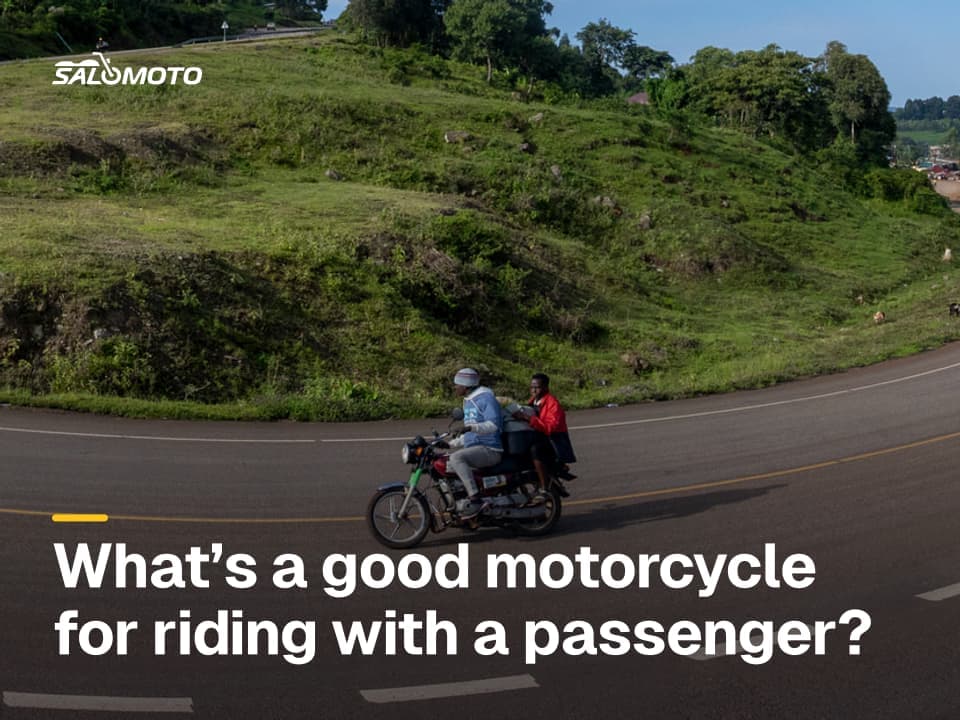
If you ride two-up a lot, remember that the farther back you sit, the less room your passenger has; the rest of that question is in motorcycles for riding two-up. Buying for a shorter partner as well? See motorcycles for short riders.
The 30-minute sit, not the 3-minute one
The general test-ride checklist is in what kind of motorcycle to get as a first bike. As a tall rider, also check:
- Sit or ride for at least 30 minutes, not just a quick perch in the showroom
- Knee bend after a while: any pull in your knees or hips?
- Bars at full lock both ways: hands and elbows clear of your knees?
- Knees on the tank: in the cutouts or against edges?
- Seat room: do you hit the step to the passenger seat?
- Wind at your helmet on back roads and the freeway, screen in every position
- On an adventure bike or dual-sport: stand on the pegs. Are the bars high enough?
- Test in your own boots and your own helmet