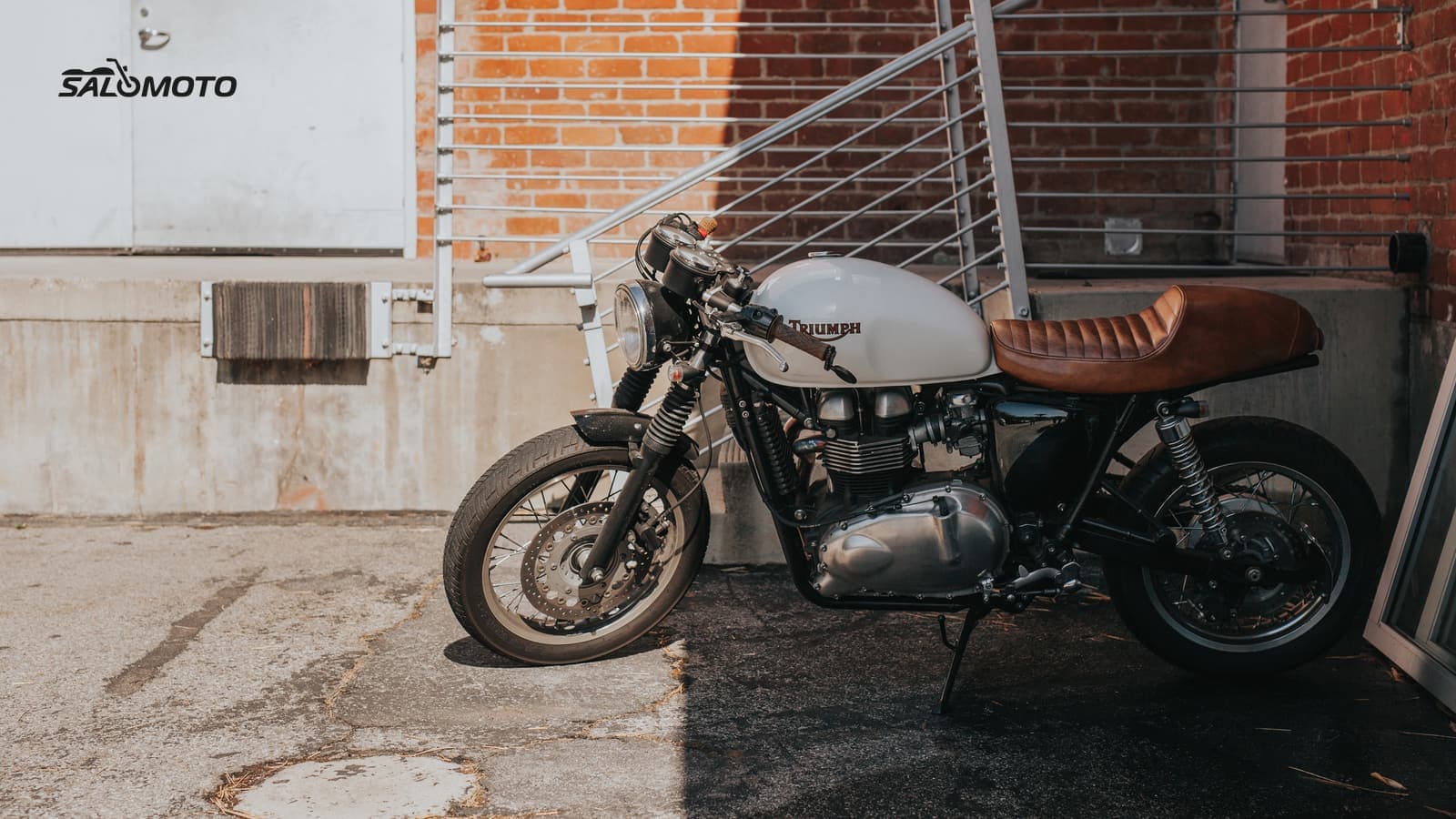
Retro doesn't have to mean old
"Retro" covers two very different purchases. A modern classic is a current motorcycle dressed in classic clothes: round headlight, teardrop tank, often spoke wheels. Underneath are fuel injection, modern brakes (usually with ABS), current tires and, depending on the model, ride modes or traction control. A genuinely old motorcycle, whether a 1980s bike or a true vintage classic, comes with the technology of its time, strengths and weaknesses alike.
Decide which of those two worlds you want first. Only then is café racer versus scrambler worth debating. And don't let a round headlight fool you: the category runs from light, beginner-friendly bikes to heavy big-bore machines. If you're still working out what fits your license and experience, start with what you can ride on which license.
Modern classic or the real vintage thing?
| Area | Modern classic | Genuinely old bike |
|---|---|---|
| Brakes | discs, ABS on many | drums or early discs depending on the year, usually no ABS |
| Starting and running | fuel injection, starts reliably | often carbureted: choke, warm-up, fussy after sitting |
| Lights and electrics | bright, often LED | often weaker, more fragile |
| Parts | through the dealer network | through clubs, specialists and reproduction parts, easy to hard by model |
| Maintenance | scheduled service | shorter intervals, lots of DIY or a shop that still knows these bikes |
| Suspension and tires | current standard | narrower tires, softer forks, a smaller choice of tires |
Braking is where the gap is widest. Many older bikes were built before ABS was common, and many true classics never offered it, so check the spec sheet of the exact model and year rather than assuming.
A vintage bike makes a wonderful hobby. As your only motorcycle, it suits you best if you like wrenching or have a specialist shop nearby. For what to look at when buying used, see used motorcycles under $3,000, and for the bigger question, new or used motorcycle. Coming back after years away and looking for something like your old bike? Read getting back into riding as well.
Standard, café racer, scrambler, tracker: what each style does to you
Within the retro world, the sub-style shapes your comfort more than the brand does.
| Style | Riding position | Day to day |
|---|---|---|
| Classic standard | upright, wide bar, flat seat | the most comfortable option, often fine two-up |
| Café racer | leaned forward, low bars or clip-ons, rearset pegs | weight on your wrists, passenger seat small or replaced by a cowl |
| Scrambler | upright, wide bar, long bench seat | seat often taller, a high-mounted exhaust can heat your leg |
| Tracker | upright to slightly sporty, flat wide bar | nimble, the narrow seat gets hard on long days |
| Bobber | low and stretched out, often a solo seat | close to a cruiser, usually no passenger seat |
A classic standard is basically a naked bike with retro styling; for wind protection and size classes, see which naked bike is right for me. If the bobber is what draws you in, choosing a cruiser is the better read.
Scramblers: the dirt-road look vs reality
Wide bars, knobby-looking tires, high pipes: a scrambler promises adventure. Most current scramblers, though, are street bikes with off-road styling. Compared with a dual-sport, they usually have less suspension travel and ground clearance, often more weight, and tires made more for pavement than mud.
On gravel roads, graded fire roads and broken back roads, a scrambler is still fun thanks to the upright stance and wide bar. Deep ruts, mud and steep climbs belong to dual-sports. Some versions come with longer travel and tougher parts; compare suspension travel, ground clearance and tire size on the spec sheet. If you really want dirt, read which dual-sport is right for me. Ride off pavement only where it's allowed; off-road motorcycles covers where and how.
Style vs everyday life: who a retro really suits
Most retros are built simple, and that has consequences:
- Wind: barely any protection, as on any naked bike
- Tank: classic tanks are often on the small side, so range is shorter, and not every model has a fuel gauge
- Luggage: retro looks and big hard bags don't always mix; check whether racks exist (motorcycles for travel and luggage)
- Passenger: café racers and bobbers often seat one (two-up riding)
A retro fits well if you mostly ride back roads, around town and on shorter trips, and you enjoy simple mechanics and classic looks. Less so if you spend hours on the interstate, often travel two-up with luggage or want real trail riding. If your question is more broadly about a bike that looks great and still fits you, read stylish motorcycles that fit.
What to check on a retro specifically
On top of a normal test ride:
- Café racer: ride at least 30 minutes, including slow traffic. How do your wrists and neck feel?
- Scrambler: after sitting at a light, does the exhaust get hot against your leg?
- Bar-end mirrors: can you see behind you, and do they stay clear at higher revs?
- Is there a fuel gauge or a low-fuel warning?
- Spoke wheels: tube or tubeless tires?
- Seat: flat retro seats look great; an hour in tells you how well they're padded
- Vintage bike: start it cold, test the brakes from speed, check the lights at dusk
- Vintage bike: ask a marque club or specialist about parts supply before you buy