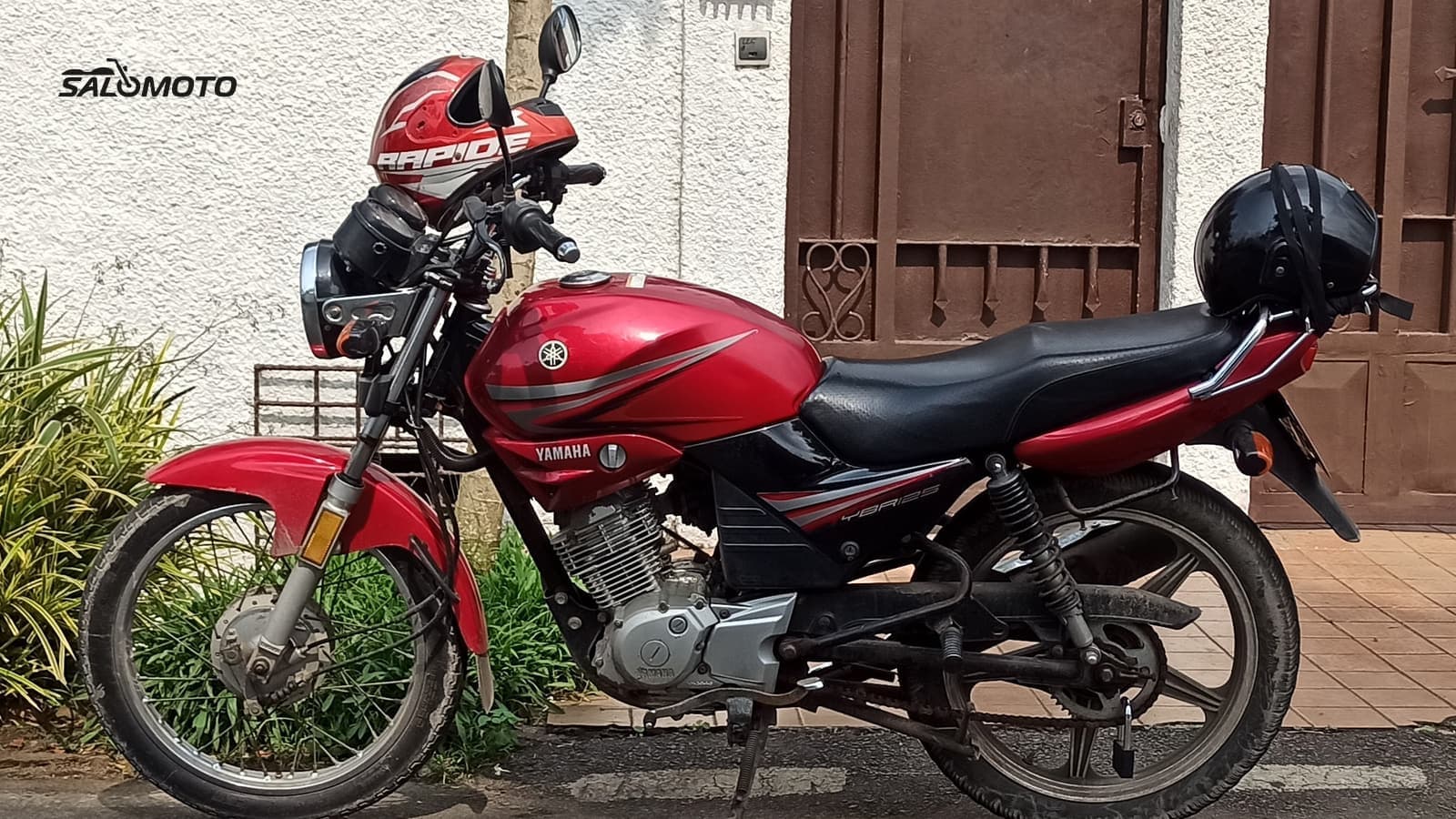
Why a 125 at all, when your license covers any bike?
In most of Europe, a 125 is a license class of its own. In the US it isn't. Motorcycle licensing is set by each state, and most states don't tier licenses by engine size: once you hold a full motorcycle license or endorsement, it covers any motorcycle. There are narrow exceptions, such as Texas, which offers a restricted license for bikes of 250 cc or less from age 15. Rules vary by state, so check your state DMV for yours, and see what you can ride on which license.
So in the US, a 125 is something you choose, not something you're limited to. The reasons are practical: it is light enough to push around a driveway, forgiving of a clumsy clutch hand, and easy on gas. Many basic rider courses, New Jersey's state program among them, provide small training motorcycles, so a 125 often feels like the bike you just learned on. For the full cost picture, see cheap 125cc motorcycles.
The kinds of 125 and who each one suits
| Type | Suits you if … | Watch for |
|---|---|---|
| Standard / naked | you mix city streets and back roads | no wind protection |
| Mini bike | you want a fun, compact city bike | small wheels, cramped for tall riders |
| Supermoto | you're tall and like quick, nimble bikes | tall, narrow seat, little comfort |
| Dual-sport | you want gravel and dirt roads too | tall seat, knobby tires on pavement |
| Small sportbike | the sporty look is what gets you riding | leaned-forward position, costly fairings |
| Cruiser | you want a low seat and a relaxed pace | heavier, feet-forward controls |
| Retro | you like simple, classic styling | equipment varies a lot |
Standards and retros are the least complicated start: upright, easy to see over, and usually reachable for shorter riders. Mini bikes are a common 125 format in the US, and their low seat helps new riders, though the small wheels feel every pothole. Supermotos and dual-sports are tough and light but need longer legs; supermoto vs. dual-sport covers which suits you. If seat height is your limit, read motorcycles for short riders.
What a 125cc single can and can't do
Nearly every 125 runs a small four-stroke single. It's light, frugal and gentle, but it makes its power high in the rev range. You'll shift a lot, and passing on a two-lane road takes planning.
Highways: This is where a 125 shows its limits. At interstate speeds it has little left for passing or climbing, and headwinds and hills slow it noticeably. Some states also restrict small bikes: in California, a motorcycle under 150 cc counts as a "motor-driven cycle," and freeways and expressways can bar those where signs say so. Learner rules matter too: California instruction-permit holders may not ride on the freeway at all. If highway miles are your daily routine, read motorcycles for highway riding.
Passengers: A 125 can usually carry two if it has a passenger seat and pegs, but it pulls noticeably weaker, brakes differently and feels heavier at walking pace. Permit holders often can't carry anyone: California permits bar passengers, for example. If riding two-up is part of the plan, see motorcycles for riding two-up.
What to check on a 125 specifically
- Title and VIN match, and the bike is street-legal, not an off-road model
- Brakes: check whether it has ABS; on small bikes it isn't a given
- Used bikes: no aftermarket exhaust or engine work you can't verify
- Passenger seat and pegs, if you'll carry anyone
- Test ride at the speeds you'll really ride, not just around the block
- Vibration and revs at your usual road speed: comfortable for an hour?
- Seat height in your riding boots, especially on supermotos and dual-sports
The general sit-on and test-ride checklist is in first motorcycle.
When a 125 isn't your best first bike
A 125 is a strong way to start, but not for every rider. If you only ride short trips in town and don't want to shift, a scooter may fit better: compare in 125cc motorcycle vs. scooter. If you'll merge onto freeways daily, ride two-up often or carry a lot of weight, a slightly larger beginner bike gives you margin, as covered in what size motorcycle to start on. For everyone else, a light 125 that fits your body gets you more riding in your first season than a bike that intimidates you.
Legal information on this page refers to the United States, where rules vary by state.