Your state decides, so start at the DMV
There's no national motorcycle license in the US. Each state decides whether a 16-year-old can ride, in what order the steps come and what a parent has to sign. A few examples show how much that varies:
| State | Earliest | What a teen typically needs |
|---|---|---|
| California | permit at 15½ | parental permission; course and 6 months on the permit under 21 |
| New York | junior Class MJ at 16 | supervised permit, junior-driver restrictions |
| Texas | restricted license at 15 | approved course; 250 cc limit until 16 |
| Washington | 16 | WA driver license, parent consent form, course under 18 |
| North Carolina | 16 | full provisional license, parent consent, safety course |
| Florida | 16 | Basic RiderCourse |
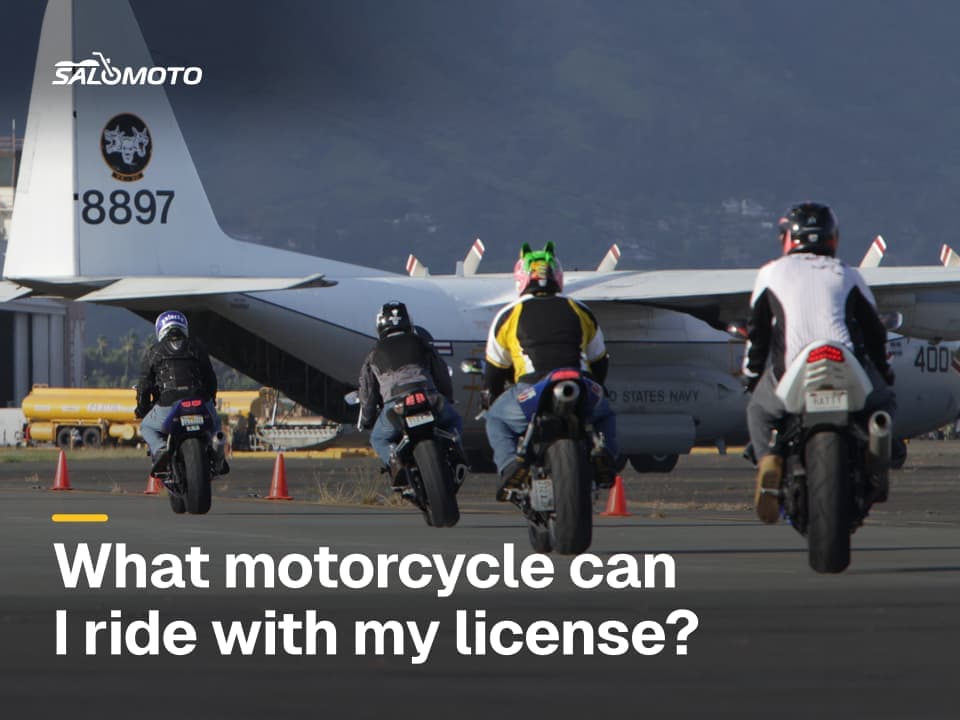
These are examples, not a full list. Permits usually come with conditions too: in California, permit holders may not carry passengers, ride after dark or use the freeway. Check your own state DMV's motorcycle page before you plan anything, and see what you can ride on which license for how licensing works beyond the teen years.
Moped, scooter or motorcycle?
What counts as a moped is also state law. Florida treats a moped as 50 cc or less and no faster than 30 mph on level ground, ridden on a regular license. New York sorts mopeds into classes by top speed, and the fastest class needs a motorcycle license. So check what your state's definition covers before you shop.
The practical question is where you'll ride:
- Short trips on slow streets: a moped or small scooter can be enough, and it's easy to learn.
- Roads posted at 45 mph and up: a moped that can't keep pace gets passed constantly, often too close. A small motorcycle or a larger scooter that holds traffic speed is the calmer choice.
- Rides with friends, back roads: that's motorcycle territory.
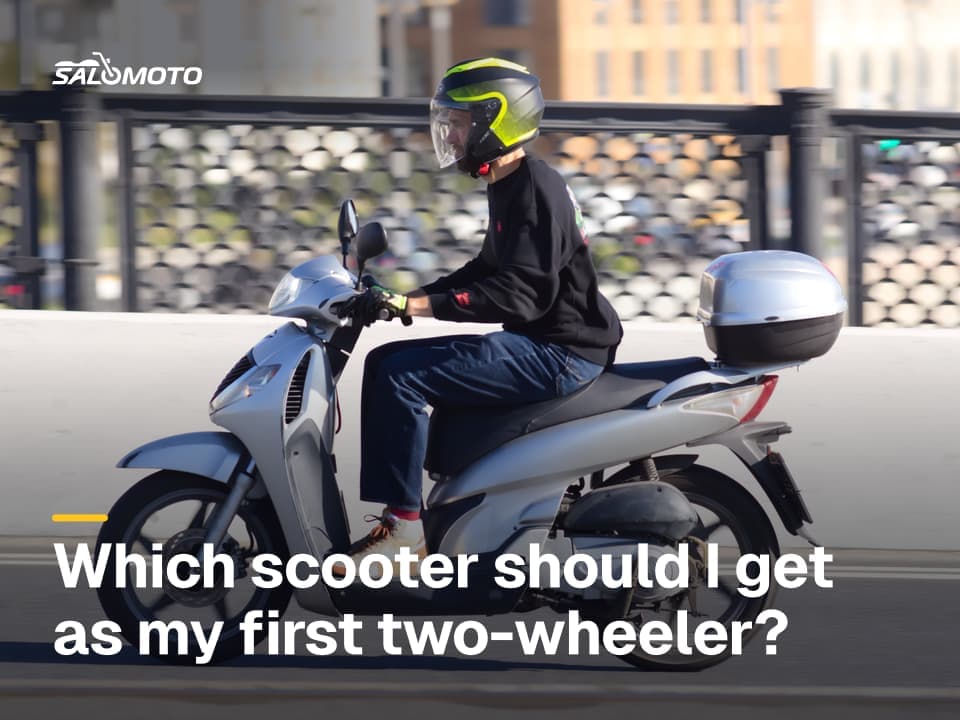
If a scooter fits your trips best, read your first scooter. Twist-and-go or a clutch is its own decision, covered in automatic vs. manual.
Your license may cover any bike, so choose small on purpose
In most states, a full motorcycle license doesn't limit engine size. Texas's under-16 restriction is one of the few exceptions. Legally, that can put a big bike within reach of a 16-year-old. In practice, a light, low-powered bike lets you learn faster and forgives the mistakes every new rider makes.
What to look for:
- Weight and seat height you can manage: you need to push it around a driveway and hold it up on a sloped parking spot.
- Smooth, modest power: an engine that pulls gently from low revs is easier to learn on than a peaky one.
- ABS on the spec sheet if your budget allows it.
- Tough over flashy: plenty of new riders tip a bike over at low speed, and fairings make that expensive.
- Clean paperwork, no engine mods: a clear title and a stock bike are easier to register and insure.
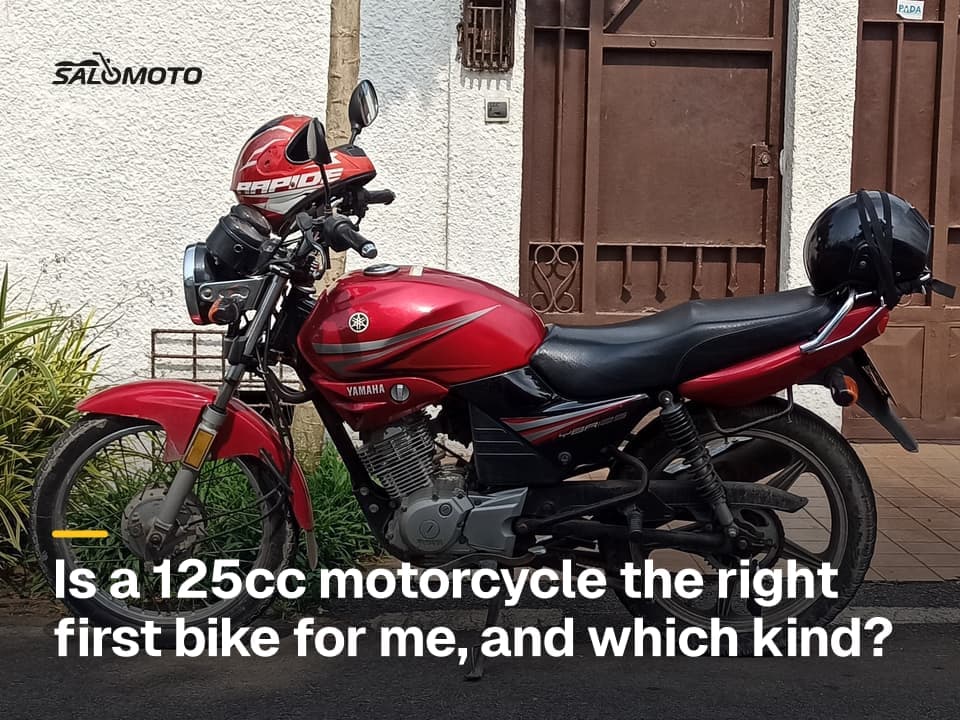
For how big to go, see what size motorcycle to start on. If a 125 appeals, your first 125cc motorcycle compares the kinds.
Insurance and who signs
Insurers rate riders on age, experience, driving record, location and the bike itself, and sportbikes typically cost more to insure than standards or cruisers. A 16-year-old with no riding history sits at the expensive end on almost every count. Get quotes on two or three specific models before you buy, and make sure the policy lists you as the rider. Leaving the actual rider off to save money can backfire badly after a crash. Insurance minimums differ by state; see cheaper motorcycle insurance.
At 16 your parents are part of this whether they ride or not: states such as Washington and North Carolina need their signature on the license paperwork, and in practice the purchase and the policy go through them too. Talk about budget, gear and where you'll ride before anyone visits a dealer. Our guide for parents covers their side of the decision.
Gear and training come first
Most states without a universal helmet law still require riders under 18 or 21 to wear one, and only three states have no helmet law at all. Wear a DOT-compliant helmet regardless, plus a riding jacket, gloves, long pants and over-the-ankle boots. Budget for them before the bike, not after.
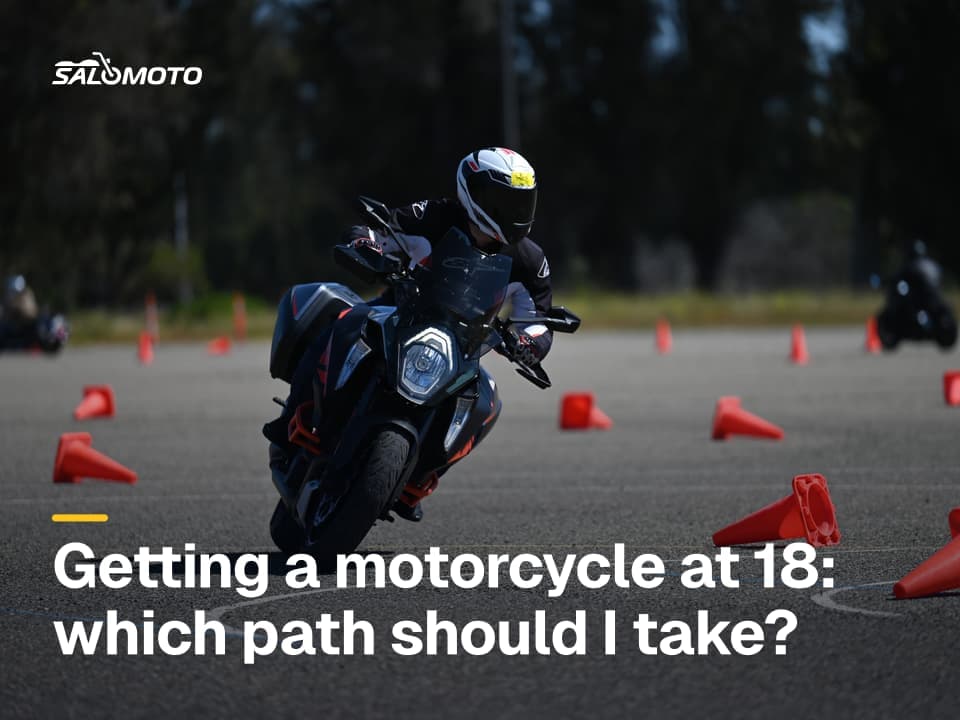
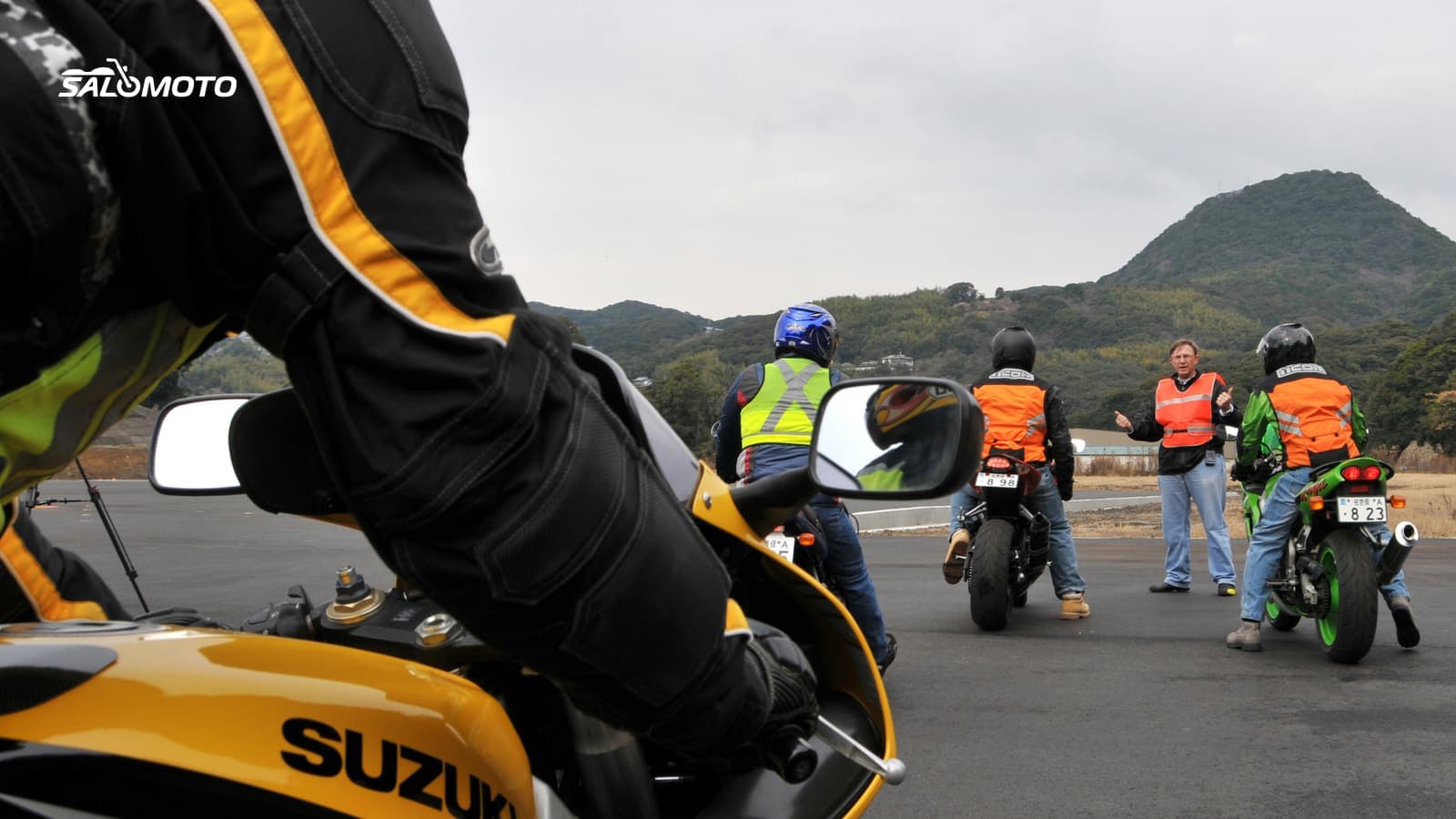
If your state requires a rider course at your age, that's your starting point, and many courses provide a training bike. After your first season, an advanced course on your own motorcycle is the next step, and regular parking-lot practice in between keeps slow-speed skills sharp.
Legal information on this page refers to the United States, where rules vary by state.