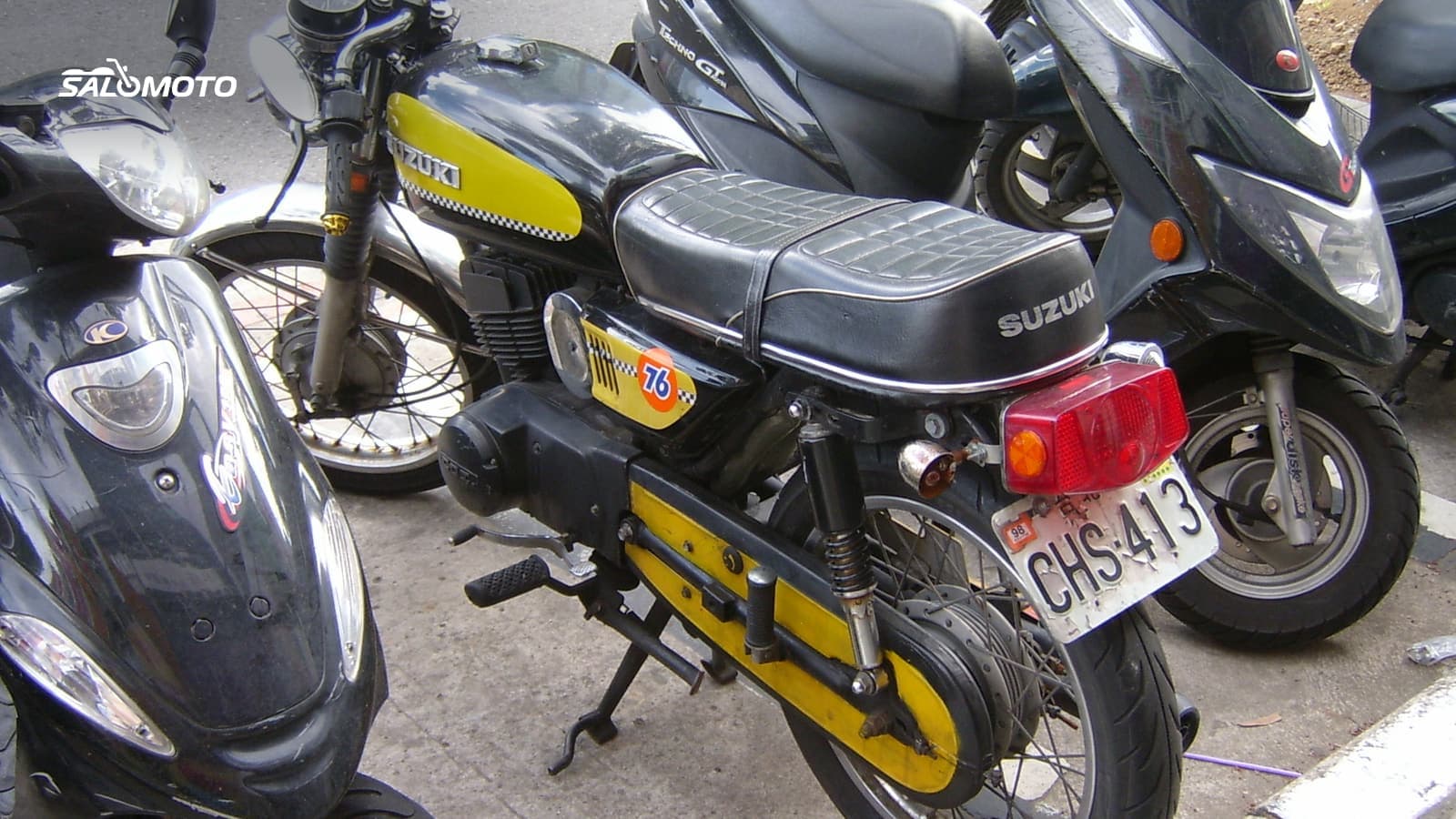
Same displacement, usually the same license
A lot of people assume a scooter is the "no license needed" option. At 125cc that's rarely true. Moped rules usually stop at small, slow scooters, so a 125cc scooter generally counts as a motorcycle, just like a 125cc geared bike. California, for example, classes any two-wheeler under 150cc as a motor-driven cycle that needs an M1. Rules vary by state, so check with your DMV.
Since the paperwork and costs are so similar, the decision comes down to the machine itself. For how licensing works in general, see what you can ride with which license.
Shifting or twist-and-go, and what each teaches you
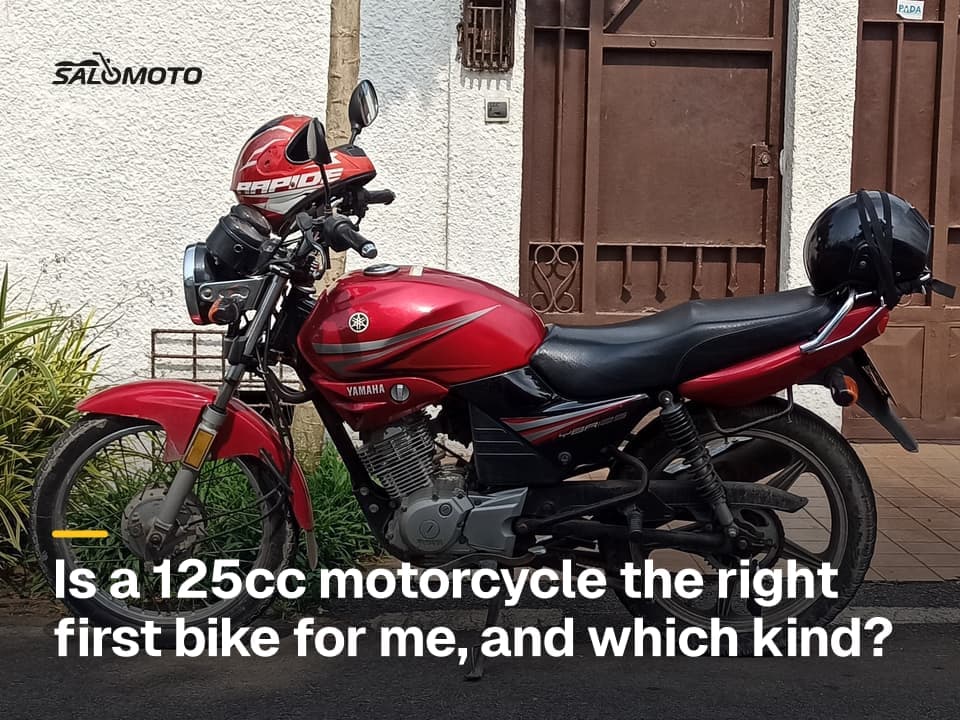
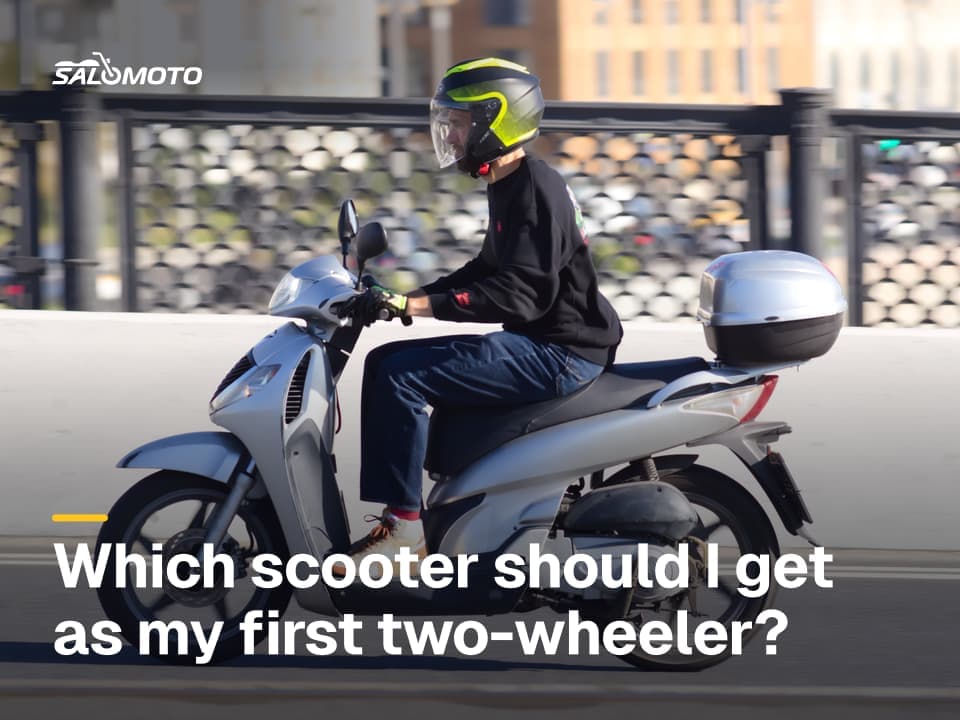
Nearly every 125cc motorcycle has a clutch lever and a foot shifter; nearly every 125cc scooter has a continuously variable transmission (CVT). On the scooter you twist the throttle and brake with both hands, which frees your attention for traffic and where you're looking. On the motorcycle you coordinate clutch hand, shift foot and throttle. That's more work at first, but the engine slows you noticeably when you roll off, and you choose how much drive reaches the rear wheel.
The bigger difference shows up later. Almost every larger motorcycle has a clutch and gears. Riding a geared 125 every day makes those skills automatic before you have more weight and power to deal with. Start on a scooter and you'll learn them from scratch when you move up. The broader question, including big automatics, is covered in automatic vs. manual motorcycles.
Everyday life: storage, weather and getting on
This is where the scooter wins clearly:
- Storage: there's often room for a helmet or a bag of groceries under the seat, plus a floorboard for a backpack. On a motorcycle you'll add a top box, tank bag or backpack.
- Weather protection: the front shield and leg panels keep your legs and feet drier in rain and cold. On a motorcycle you sit out in the open and need weatherproof gear more often.
- Getting on: the step-through frame is easy in street clothes. Proper riding gear still belongs on both: what your state requires is the minimum, not the goal.
Passengers are less clear-cut. Seat length, footpeg position and how the bike feels with two people vary more by model than by format. More on that in riding with a passenger.
Ride feel: wheels, weight and back roads
This is where the motorcycle wins. It usually rolls on larger wheels with more suspension travel, so patched pavement, fast curves and crosswinds unsettle it less. On many scooters the engine and drive form one unit that swings with the rear wheel. The weight sits low and toward the back, which feels nimble in town but busier on rough back roads.
Posture matters too. On a motorcycle the tank is between your knees and your feet are on pegs, so you can grip with your legs and shift your weight over a bump. On a scooter your feet rest on a floorboard, like sitting in a chair: comfortable, with less contact with the machine.
In the city that flips. U-turns, creeping through traffic and squeezing into tight parking are effortless on a scooter. If the motorcycle side appeals, choosing your first 125cc motorcycle covers which kind; the scooter equivalent is choosing your first scooter.
Maintenance in principle
Most 125cc motorcycles drive the rear wheel by chain, which needs regular cleaning, lubing and tension checks. A scooter's belt, variator and centrifugal clutch are enclosed, but they wear and get replaced on the maker's schedule. What that adds up to per year is in motorcycles that are cheap to maintain.
Decision table by situation
| Your situation | Leans toward | Why |
|---|---|---|
| City only, daily commute | Scooter | storage, weather protection, no shifting in traffic |
| City plus weekend back roads | Motorcycle | steadier on rough pavement and in curves |
| Bigger bike planned within a year or two | Motorcycle | clutch and gears become second nature |
| Short errands, no plans to move up | Scooter | simple, practical, nothing to relearn |
| Often riding two-up | Test both | seat and pegs matter more than format |
| Nervous about the clutch after your course | Scooter or a light standard | confidence comes before learning value |
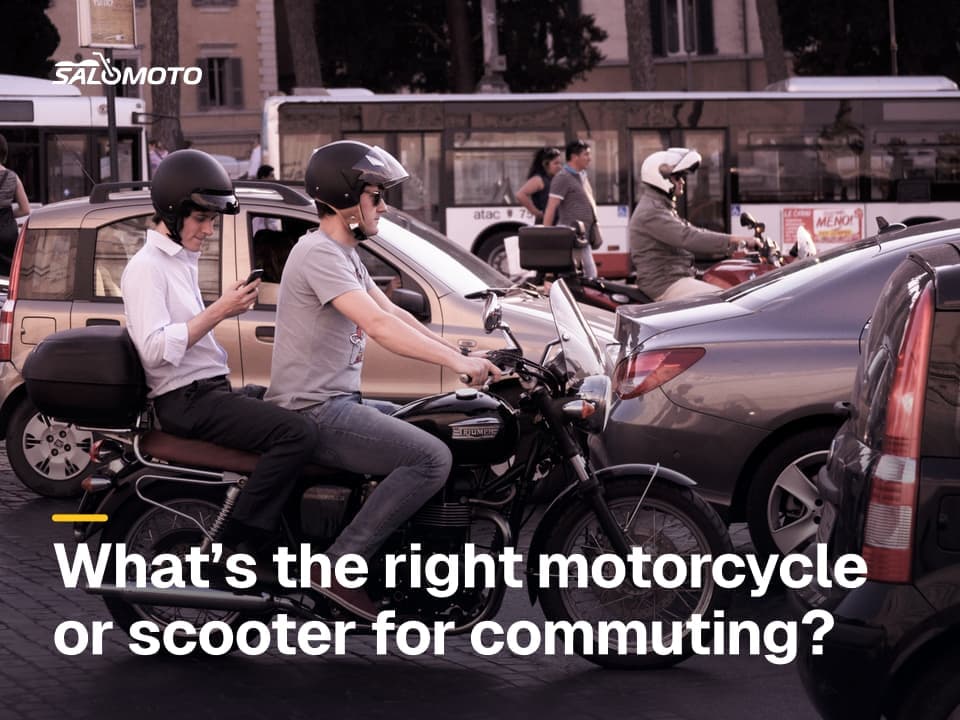
If it's mostly about getting to work, also read choosing a commuter motorcycle or scooter. On the test ride, check what matters for this decision:
- Start on a hill: no rolling back on the scooter, no stalling on the motorcycle?
- Roll off before a curve: how much does the engine slow you?
- Ride a rough road: how settled does it stay?
- Load your helmet and everyday bag: does it all fit?
- Take a loop with your passenger if that's part of your plan
The general sit-on and test-ride checklist is in choosing your first motorcycle.
Legal information on this page refers to the United States, where rules vary by state.