The stops a ride needs
Every ride has two kinds of stops. Fixed stops are the ones you can't skip: gas, food, the meetup with other riders and, on longer trips, the night's lodging. Flexible stops make the day better but can be dropped: overlooks, photo stops, a coffee along the way. Plan the fixed ones first and hang the flexible ones on them.
| Stop | Why | What to watch | Read more |
|---|---|---|---|
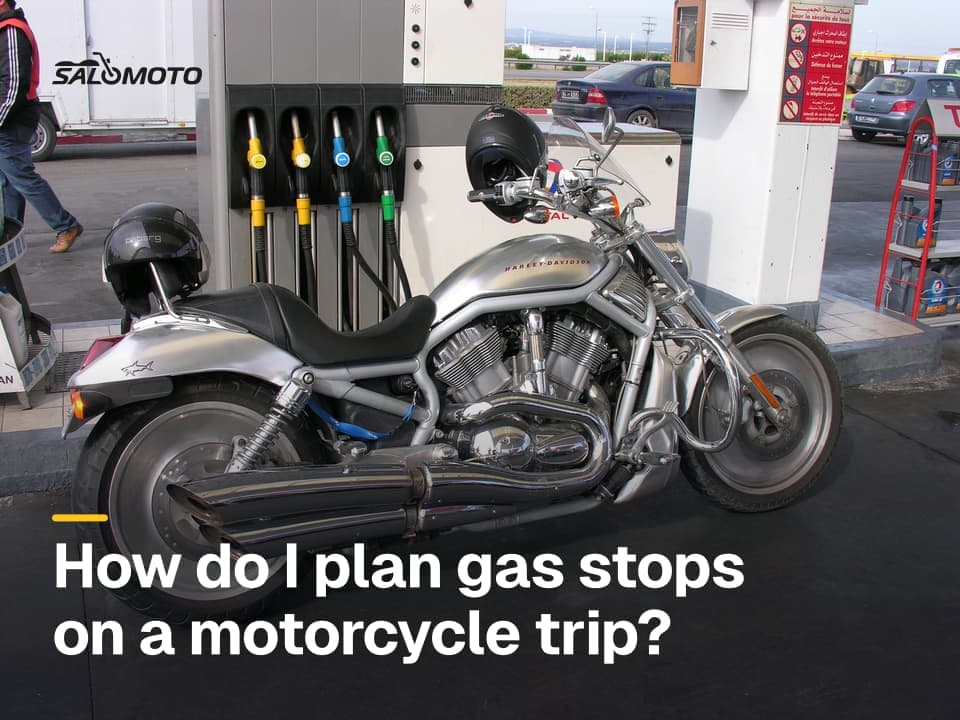
| Gas stop | keep your range covered | rural gaps, station hours | fuel stops on a trip |
| Coffee, lunch | rest and food | closing days, parking | coffee and scenic stops |
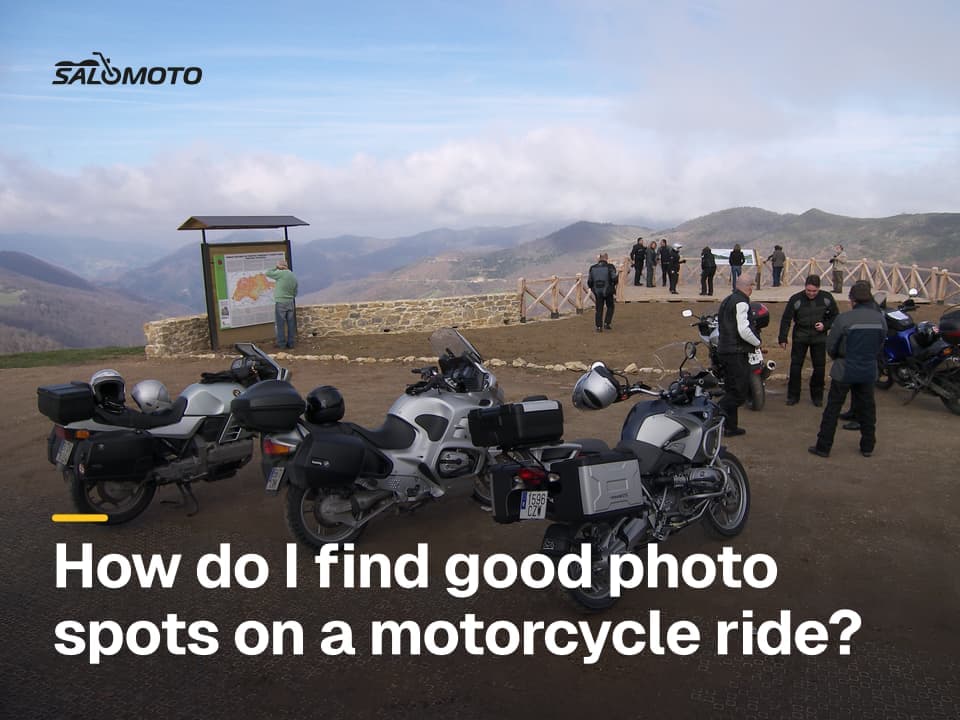
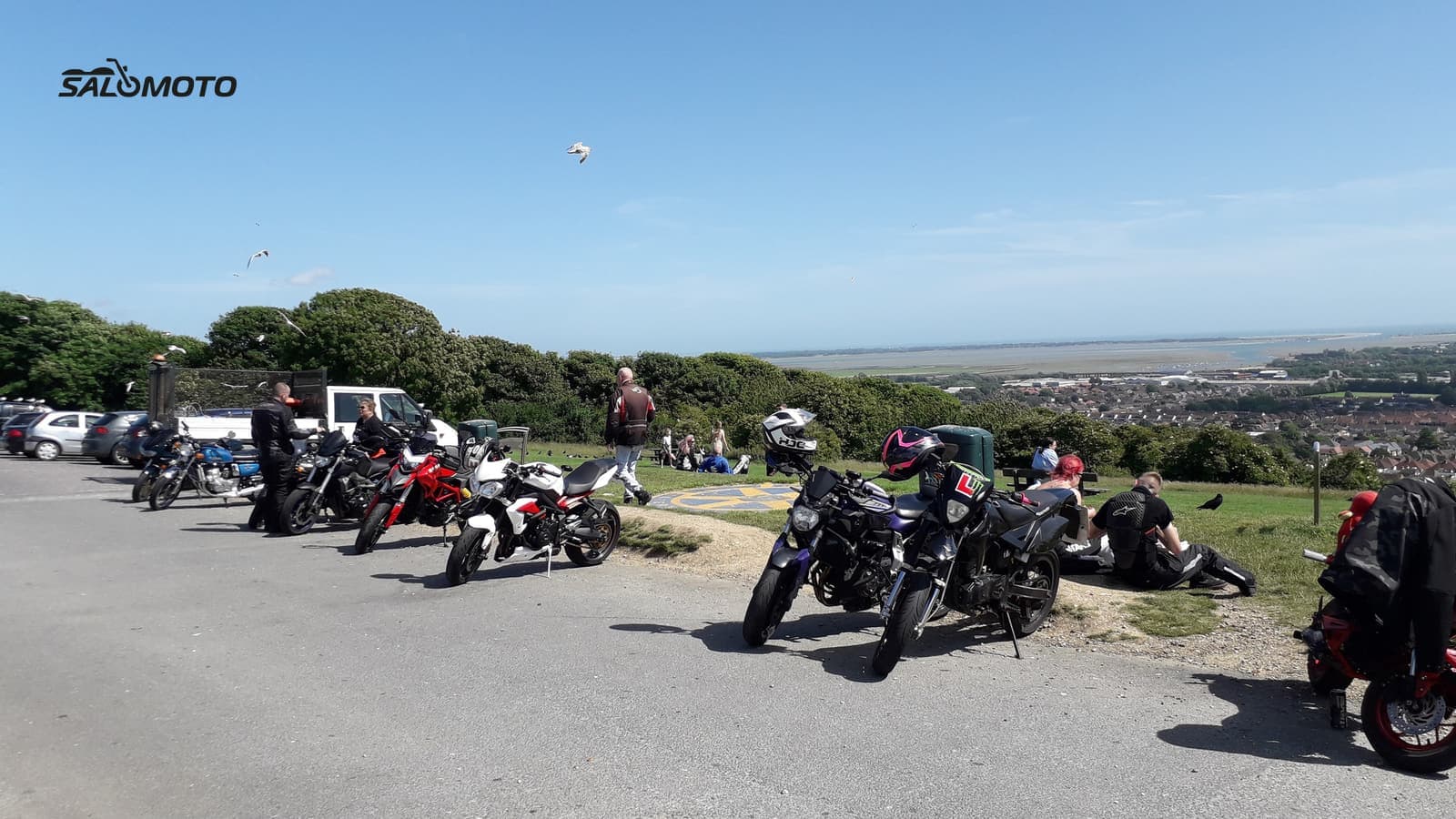
| Overlook, photo spot | view, pictures | legal pull-off, light | motorcycle photo spots |
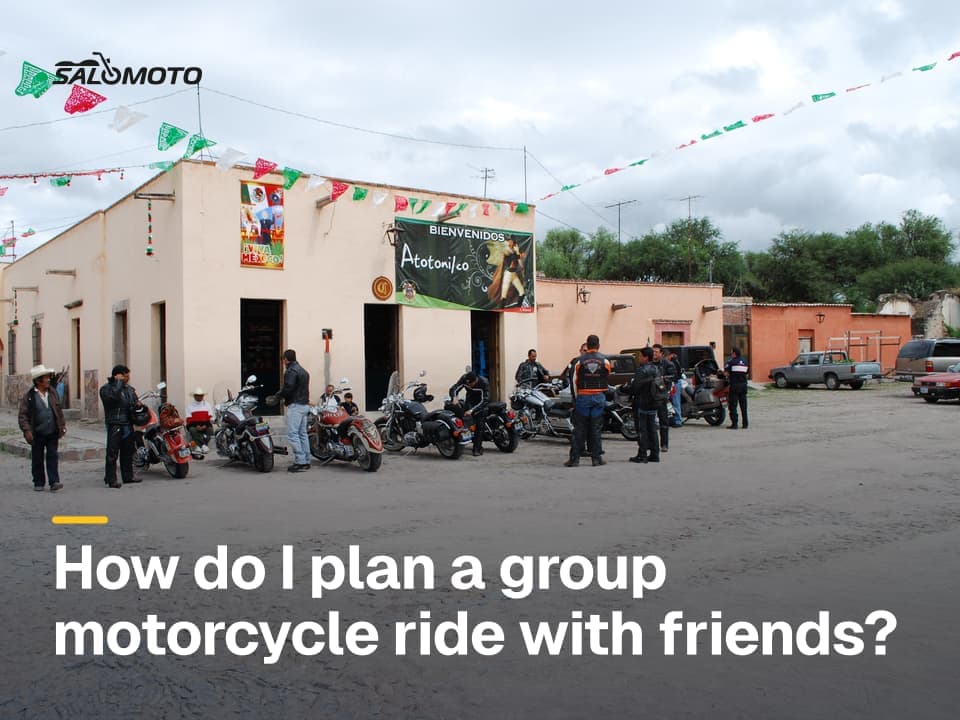
| Meetup spot | gather the group | space, restrooms, permission | motorcycle meetup spots |
| Overnight | end of the day's leg | secure parking, check-in | weekend trip with an overnight |
Riding with others changes the math: more people means more time at the pump and in line for the restroom. How to organize that is covered in planning a group ride.
Space breaks by time, not by miles
A hundred miles of interstate and a hundred miles of tight two-lane with switchbacks are very different loads on your body and your focus. So plan the gaps between breaks by riding time and effort. Road safety agencies such as the Wisconsin DOT advise a break about every two hours or 100 miles on long drives, and riders often need one sooner.
What shortens the gaps:
- twisty roads and mountain passes that demand constant attention
- heat, cold, wind and rain
- a bike that isn't comfortable for you over distance
- less riding experience, or the first long ride of the season
- riding in a group, where you're also watching the riders around you
Your tank sets the hard limit. Know your bike's real-world range and plan the gas stop with a reserve before you think about anything else. The honest rule still applies: pull over as soon as your focus or posture slips, even if the next planned stop is only ten minutes away.
Check every stop before you go
A pin on the map isn't a good stop yet. The night before, check what you'll need there:
- Is the place open on the day you ride, including midday?
- Is there parking with firm, level ground for the kickstand?
- Can you legally pull in and park without blocking the road or a sidewalk?
- Are there restrooms, water and, on hot days, some shade?
- Do they take cards, or will you need cash?
- Is the stop right on the route, or does it cost a detour?
- Do you have a backup nearby if it's closed?
For overlooks and meetup spots, add one more rule: stop only where it's legal and safe, never in a curve, over a blind crest or on a freeway shoulder. Rules vary by state, but a parking lot or a marked pull-off is always the safe choice. Fields, dirt tracks and private property are not break spots.
Building stops into your route
Place each stop as a waypoint right at the parking lot entrance, not just somewhere in town. Otherwise the route may lead you past the gas station and down a side street. Watch the order so the route doesn't double back, and check afterward that the roads between stops still match your plan. How to order waypoints and when a stop should be a destination is covered in routes with several stops.
Salomoto today: In the Salomoto route planner you set a start, a finish and stops for a route in Germany, no account needed, and you see the distance, an estimated riding time without breaks and the elevation profile. A free account lets you mark your own photo spots, viewpoints and meeting points, reuse them as stops and save the route. The planner doesn't show gas stations, and it doesn't offer a collection of ready-made stops. The GPX file you download includes your stops as waypoints.
Build in a buffer and count time honestly
Breaks take longer than you expect: pull in, get off, gloves off, order, wait, pay, gear back on. So add up your planned breaks on top of the estimated riding time, plus a buffer for the unexpected. An example: if the planner shows four hours of riding and you plan a gas stop, lunch and two short coffee breaks, you can easily be out for six hours or more. If you don't count that in the morning, you'll be racing the clock in the afternoon. How to keep riding time, stopped time and total time apart is explained in riding time, breaks and total time.
A good plan leaves room. When time runs short, drop a flexible stop first, never the break you actually need.