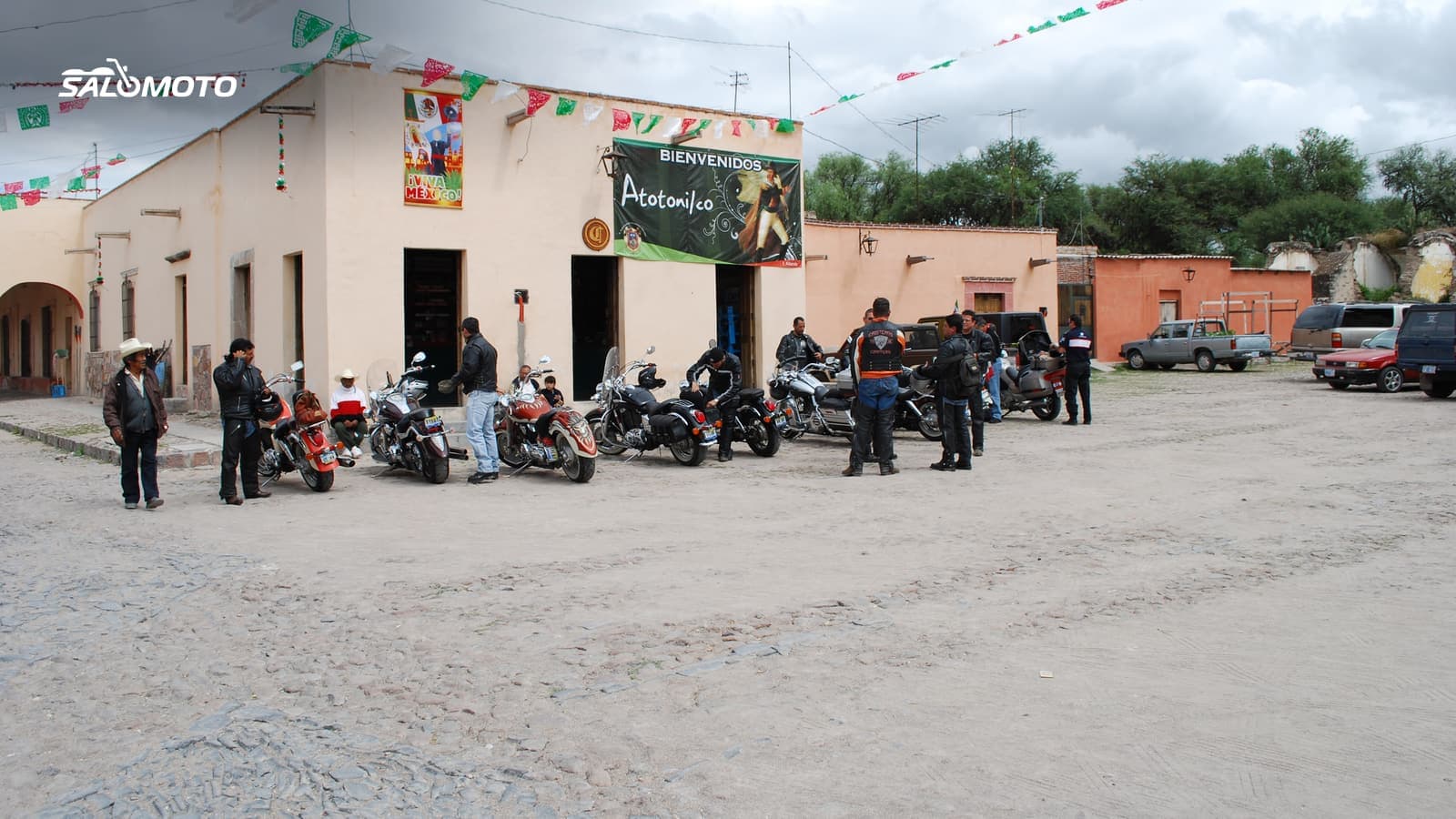
Before the ride: group, pace and route
The most important decision happens at the kitchen table: who are you planning for? A group ride is set by the slowest and least experienced rider, the bike with the shortest range and the person who tires first. Anyone who wants to ride faster is in the wrong group that day, or rides their own loop.
The route follows from that. Pick roads everyone can ride confidently and a day's distance the least experienced rider can handle without strain. How to estimate a realistic riding time is covered in estimating riding time. Plan the stops in advance, gas included, because every break takes longer with a group. If someone is riding two-up, the bike matters too; see motorcycles for two-up riding.
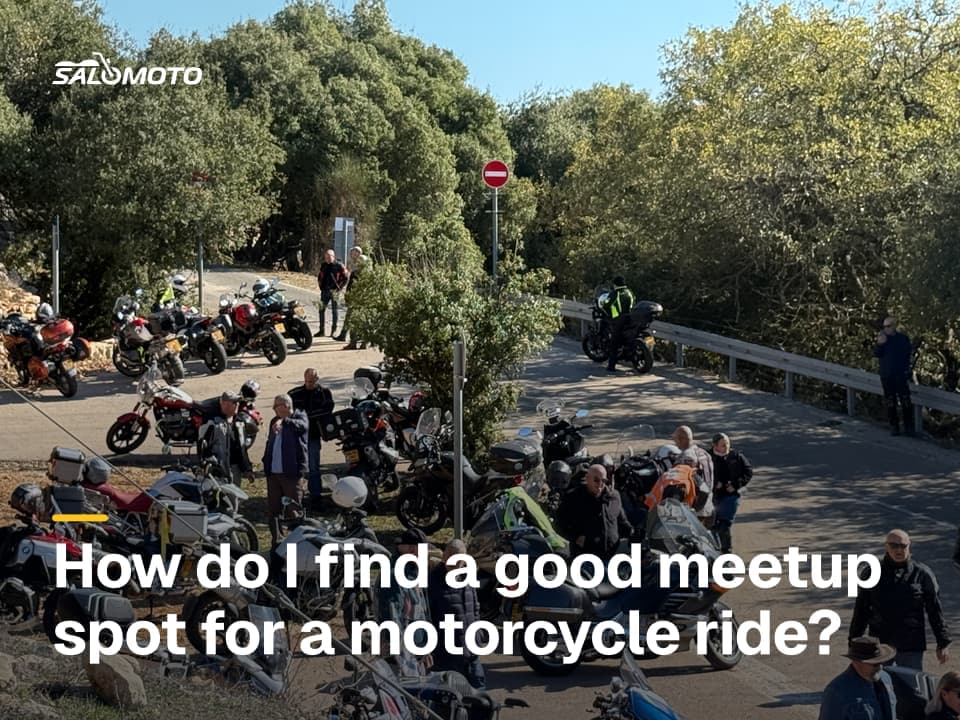
Send the route with every stop to the whole group no later than the night before. Everyone should have it on their own GPS unit or phone app. That way nobody gets lost, even if a red light splits the group. Pick the meetup point using the criteria in motorcycle meetup spots.
Roles and the pre-ride briefing
A group works best with two fixed roles. The lead rider knows the route, rides the agreed pace and keeps the riders behind in mind. The sweep rider is experienced, always stays at the back and notices when someone has a problem. Less confident riders go right behind the leader, not at the end.
Five minutes of briefing before you leave is enough:
- route, stops and planned arrival time
- who leads, who sweeps
- hand signals, for example for gas, a break or a hazard in the road
- what happens if someone gets separated: ride on to the next stop
- everyone gassed up, phone numbers swapped
- everyone rides their own pace; nobody has to keep up
On the road: what the rules say
In practice that means:
- Your own pace: Every rider stays responsible for their own riding. Nobody rides faster than they're comfortable with just to keep up.
- Spacing and stagger: On straight stretches many groups ride in a staggered formation within the lane so everyone has a view and room to maneuver. In curves and on narrow roads, ride single file with a full following distance.
- Pass one at a time: Each rider decides whether and when it's safe to pass. The leader passing a truck is not a green light for everyone else.
- Lights and intersections: If the light turns yellow or red, you stop. The group waits at the next planned stop, not on the side of the road.
- Lane splitting: Rules differ sharply by state. Where it isn't clearly allowed, don't, and never as a group.
- Leave gaps: A long line of bikes should leave room for other traffic to merge.
Breaks and regrouping
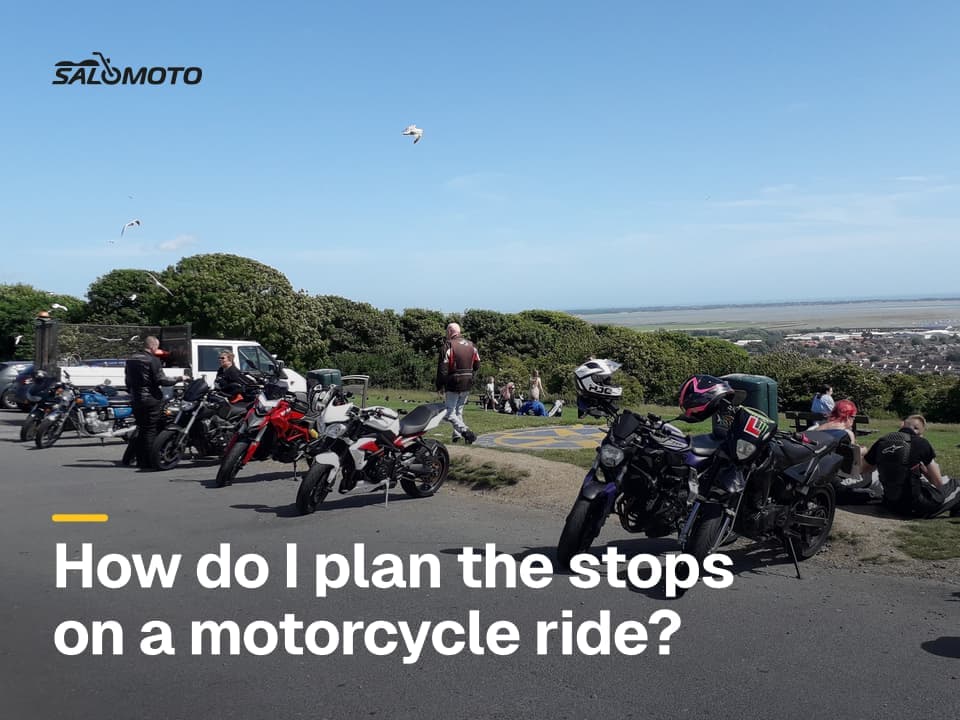
Regroup at planned stops: parking lots, gas stations, diners. Never on the shoulder, in a curve or a tight driveway. Allow more time for breaks than you would alone, because eight riders need noticeably longer at the pump, the register and the restroom than one. How to choose and space stops is covered in planning a ride with stops.
Use breaks to check how everyone's doing. Anyone who's getting tired or uncomfortable should be able to say so without the group grumbling; if needed, cut the loop short. Alcohol stays off the table at lunch, since everyone rides on in the afternoon. And at the end of the day, a quick message to the group that everyone made it home helps, especially when riders split off on the way back.
Salomoto today: In the Salomoto route planner you plan the shared route with all its stops, within Germany. With a free account you save it and share it with friends, as a link or publicly, with your home location hidden. Everyone downloads the route as GPX and loads it onto their own GPS unit or app. Salomoto doesn't navigate and doesn't show live locations of the group. After the ride, each rider can log it in RoadDex by hand; RoadDex doesn't record GPS.
Legal information on this page refers to the United States, where rules vary by state.