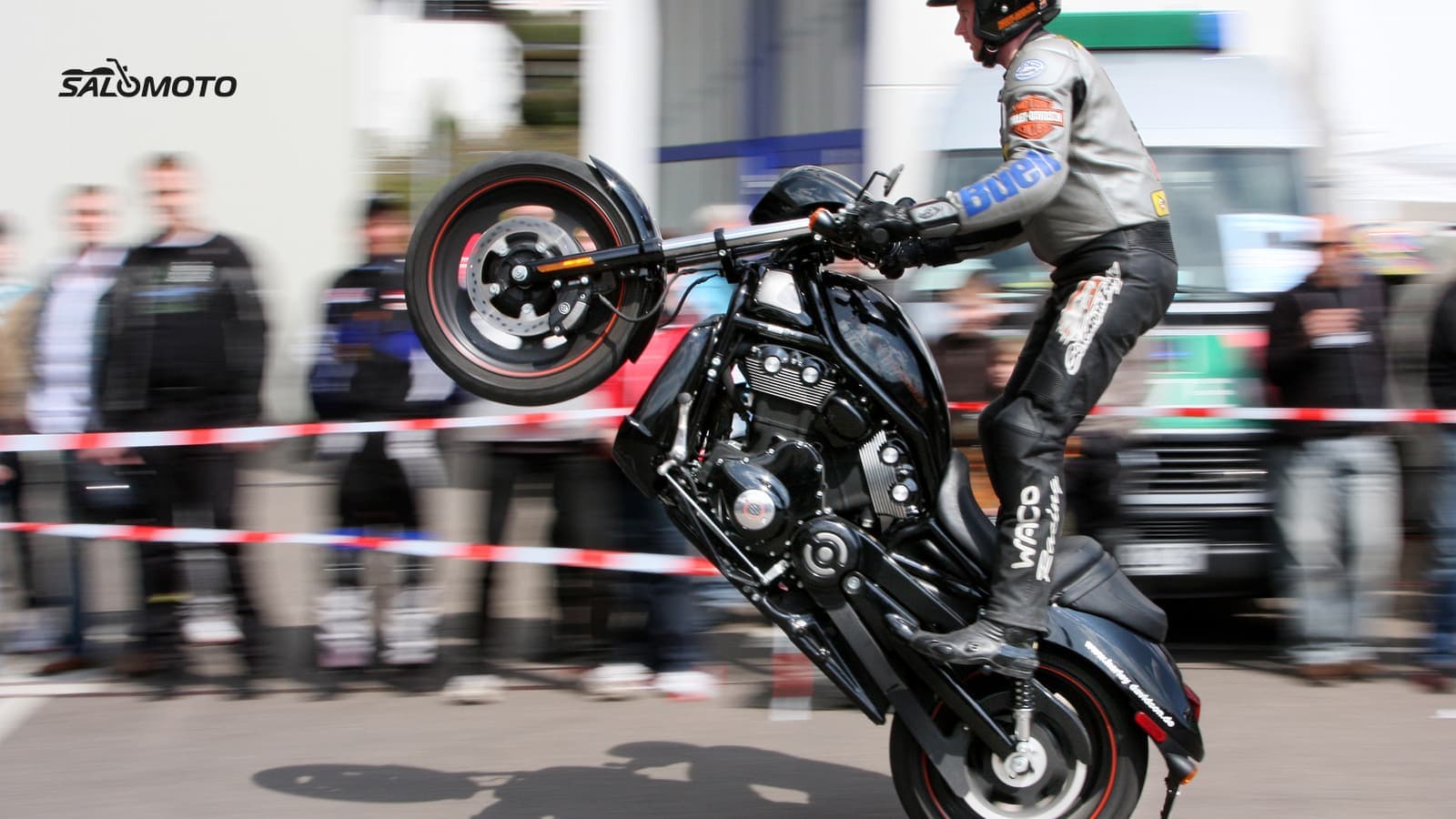
Stunting is a motorsport, and it belongs on a closed course
Stunt riding looks loose, but it's precision work: riders put in months of practice on fixed ground, with coaching, full protective gear and a bike built to survive crashes. If you want in, find a place and a school first. The bike comes after that.
The same goes for business parks and big-box lots after hours: open to the public is not the same as closed. Look for venues that explicitly allow stunt practice, such as tracks that rent time, school lots and organized practice days.
What bikes the stunt scene rides
| Category | Why riders choose it | Watch out for |
|---|---|---|
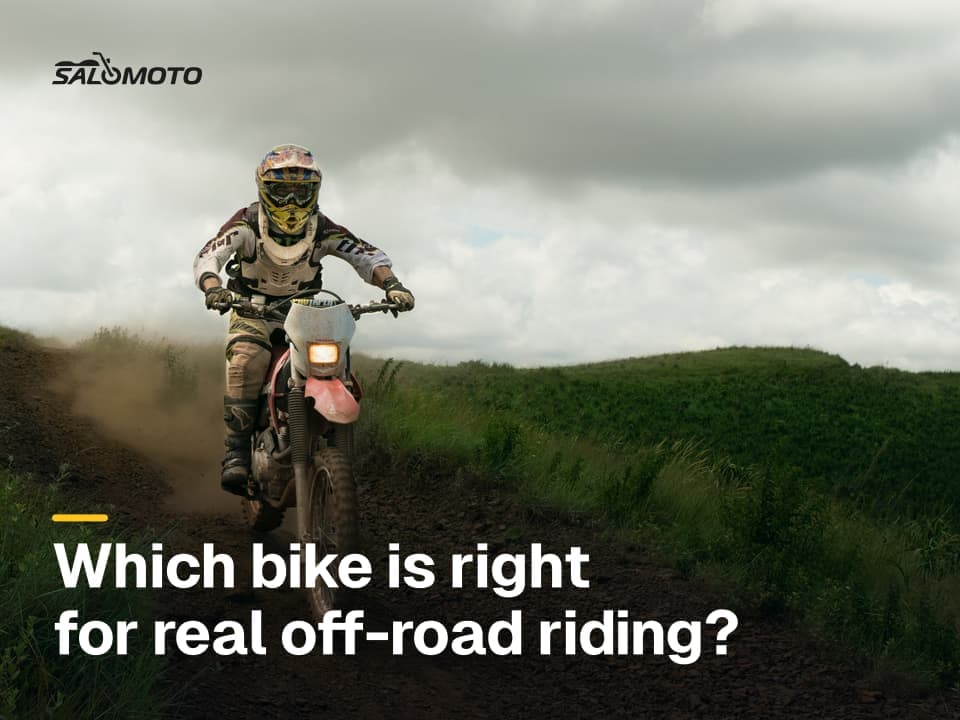
| Pit bike or minibike (off-road) | light, cheap to crash, lots of practice time | not street-legal, cramped for larger riders |
| Small street bike or 125–300 | affordable, forgiving, enough to start | runs out of room for advanced tricks |
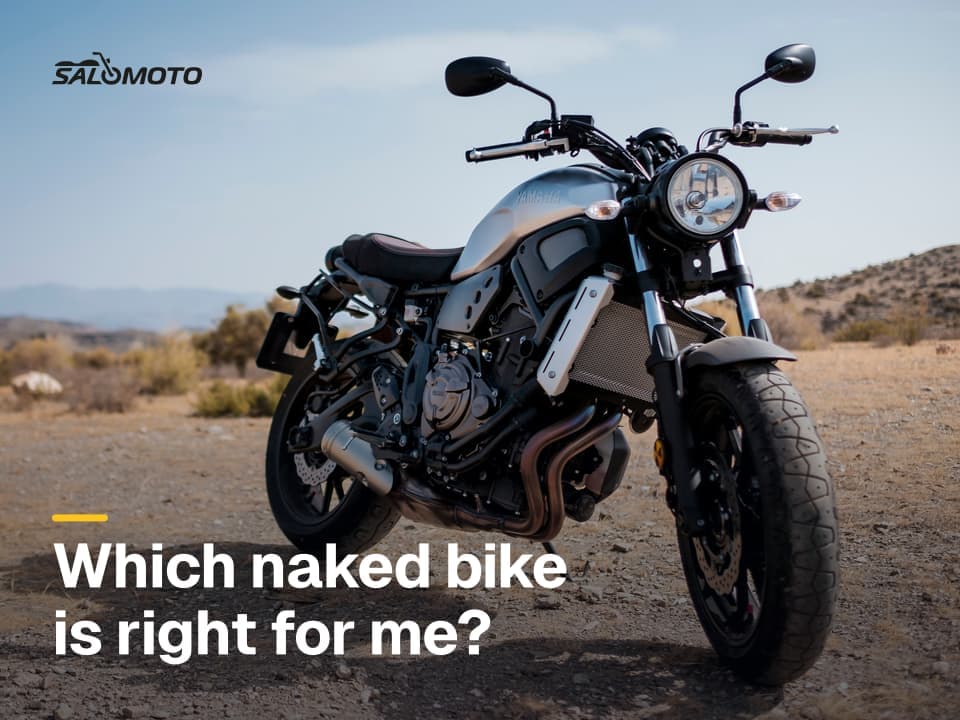
| Middleweight naked or sportbike | the base of most stunt builds, parts plentiful | fairings are expensive, power needs experience |
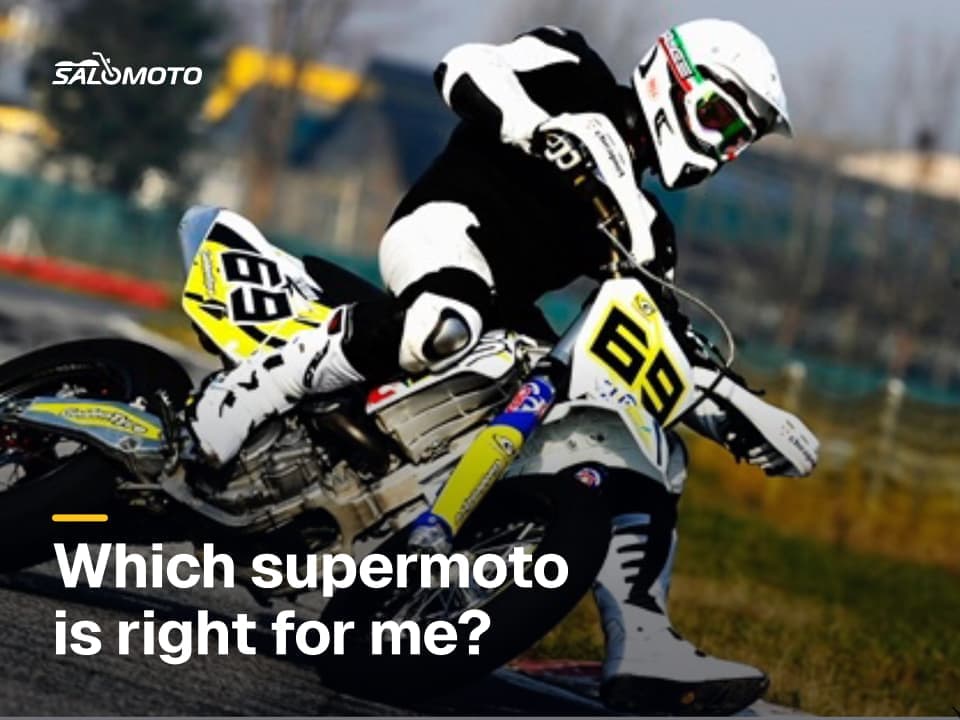
| Supermoto | light, tough, wide bars | tall seat, its own riding style |
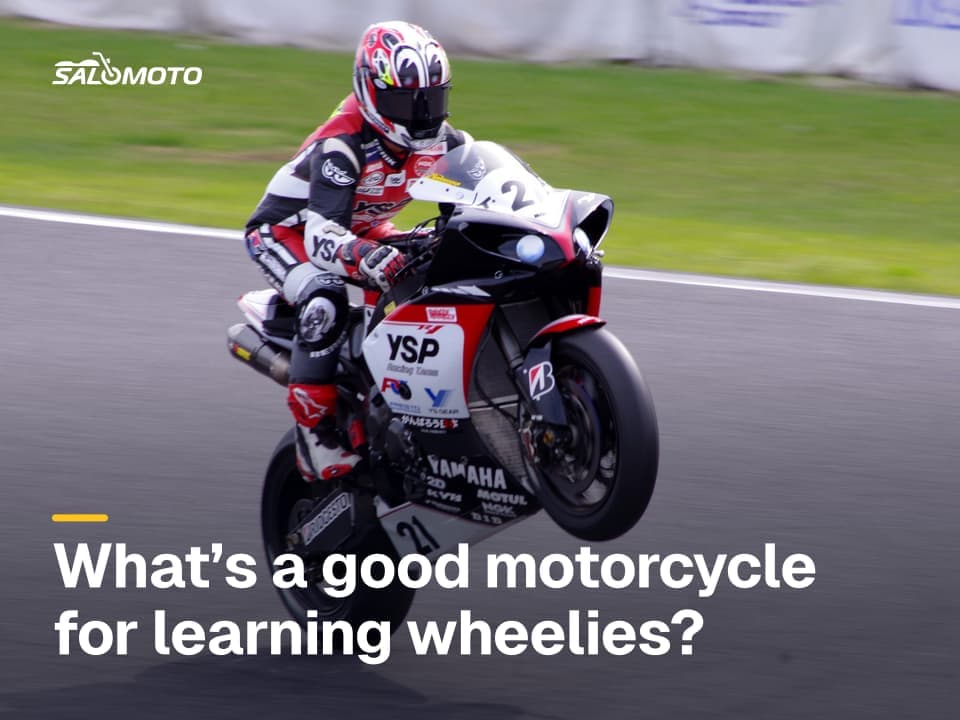
A full stunt build is usually a middleweight with the bodywork stripped off. That's not because more power is better, but because these bikes are tough, common and well supported with protective parts. To start, a small, light bike is often the smarter call: you practice more, you're less afraid of dropping it, and a tip-over doesn't wreck your month. For background on the base bikes, see naked bikes and supermotos. If riding on the rear wheel is what draws you in, wheelie training is the better first step.
Preparation, wear and cost
Stunt bikes are prepared for two things: so a crash doesn't destroy the frame, engine or tail section, and so the clutch, cooling and drivetrain survive constant abuse. Typical examples are crash cages and frame sliders, removed bodywork and tougher levers. How to build any of that is a job for an experienced shop or your stunt school, not a buyer's guide.
Budget honestly for:
- protective parts, plus replacements for whatever breaks in a fall
- much faster wear on rear tires, clutch, chain and brakes
- classes, lot or track fees, and getting there, often with a trailer
- a full set of gear, replaced after hard crashes
Used stunt bikes can be cheap, but they've lived a hard life. For a general used-bike inspection, see checking a used motorcycle.
Gear, coaching and a place to ride
Sort out your gear before the bike:
- Full-face helmet that fits, replaced after any hard impact
- Back and chest protector, plus knee, elbow and shoulder armor
- Riding gloves, boots and abrasion-resistant clothing
- A class at a stunt school, ideally on their bike
- A venue where the owner allows it; never practice alone, carry first aid
- The organizer's gear, age and waiver rules, checked in advance
A class on a school bike is the cheapest way to find out whether stunting is really for you. You progress step by step under supervision and get a feel for which kind of bike suits you before you put money into a build.
Insurance, events and the scene
Most states require liability insurance on a registered motorcycle, but what your policy covers off the street is in its fine print. Don't assume anything; ask your insurer in writing before your first class:
- Am I covered while practicing or at an event off public roads?
- Is damage to my own bike covered there?
- Does coverage still apply to a modified bike?
- Do I need separate health or accident coverage for myself?
Event organizers usually set their own rules on waivers, insurance and gear. For what drives premiums in general, see cheap motorcycle insurance. The scene itself shows up at stunt shows during bike nights, rallies and track events: good places to talk to riders, see prepared bikes up close and learn where people practice legally near you.
Legal information on this page refers to the United States, where rules vary by state.