Start with where your kid will ride
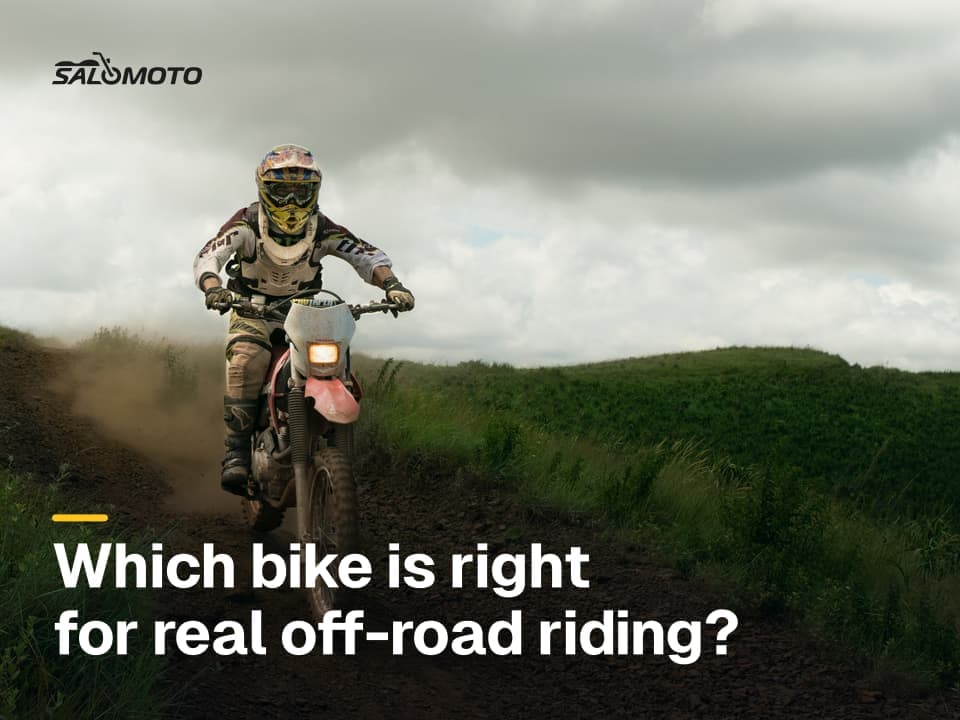
Before you shop, settle the most important question: where. Kids' dirt bikes are built for off-highway use, not for the street, and a child below licensing age can't legally ride a motorcycle on public roads. Rules vary by state, so check with your state DMV and OHV agency, but treat neighborhood streets, sidewalks and parking lots as off-limits.
That leaves three kinds of places:
- Riding parks and motocross tracks, many with practice days or areas set aside for young riders
- Organized courses and clubs, where coaches set the pace
- Private land, with the owner's permission and some thought for the neighbors
Public land is possible too, but only where off-highway vehicles are allowed: national forests limit them to the roads, trails and areas on their Motor Vehicle Use Map, and most states run their own OHV registration or sticker programs. Some states add youth rules for public riding areas, so check your state's OHV agency first.
For the bigger picture on legal trail riding, see where to ride off-road.
Is your kid ready?
There's no federal age law for dirt bikes, and riding on private land is mostly a parent's call. Manufacturers give their own age and size guidance, and the AMA's advice for parents puts size, coordination, balance and maturity ahead of a birthday. Organized racing has its own structure: AMA youth classes are set by age and machine size, and riders under 18 need a parent or guardian at the event, or an adult with a notarized authorization.
Better questions than "how old?":
- Does your kid ride a bicycle confidently and brake under control?
- Do they follow instructions, even mid-fun?
- Can they manage throttle, brakes and looking ahead at the same time?
- After a fall, do they listen, or get reckless?
- Is this their idea, or mostly yours?
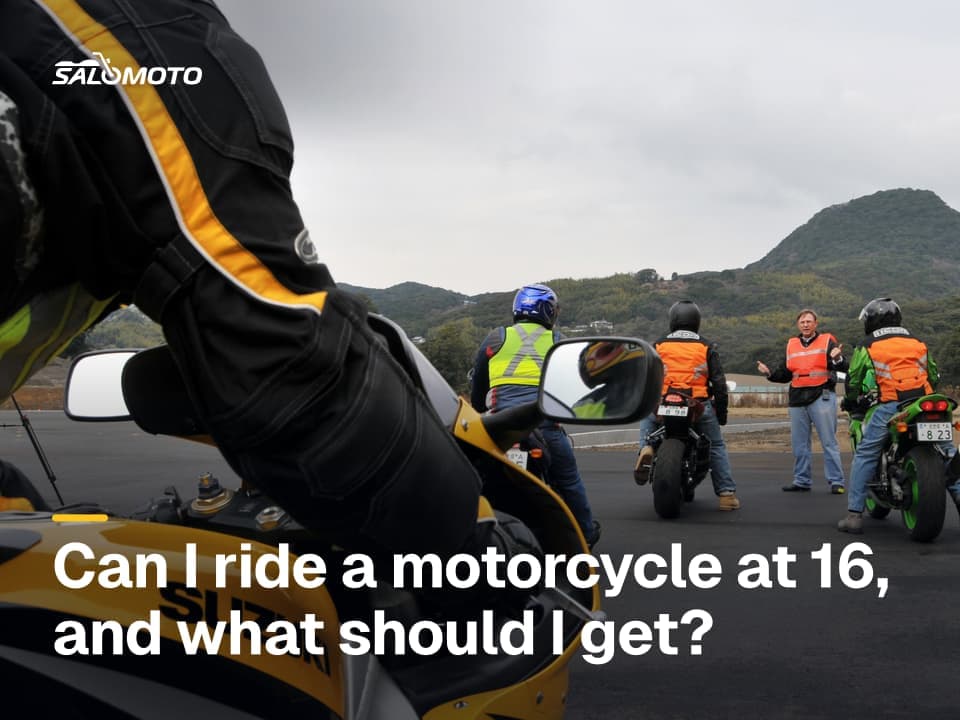
A beginner course answers most of these before you buy. The MSF DirtBike School and similar programs run youth classes; check the host's minimum age and whether they supply bikes and gear.
Sizing by reach, weight and skill
Fit the bike to the kid, not the age chart. Sizing charts you'll find online disagree with each other, and no engine size is "safe" for a given age; what matters is what your kid can control today. Have them sit on the bike in their boots and gear before you buy.
| Check | What you want to see |
|---|---|
| Standing still | holds the bike up with feet on the ground, no tiptoe wobble |
| Bars and levers | reaches grips and levers comfortably; adjustable levers help |
| Weight | can lift the bike with a little help and push it a few yards |
| Power | smooth throttle response, power can be limited |
| Brakes | can modulate both brakes, gloves on |
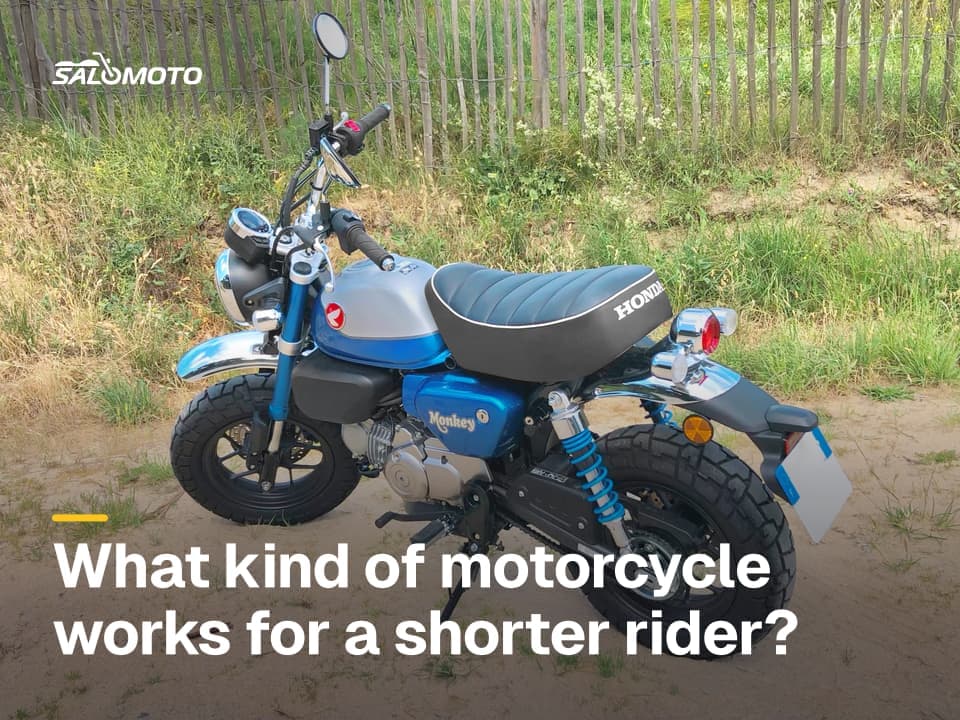
A bike bought a size big "to grow into" either scares a kid or makes them overconfident, and both slow learning. For how seat height, inseam and seat shape interact, see motorcycles for short riders — written for adults, but the principle carries over.
A gentle start: no clutch, often electric
Many kids start on bikes without a clutch, either gas automatics or electric. That leaves just throttle, brakes and balance to think about. Electric kids' bikes are quiet, which helps with neighbors, have no hot exhaust, and often offer power modes you set and unlock step by step. Check how that works and whether your kid can change the setting on their own. Quiet cuts both ways, though: other people won't hear them coming.
Gas bikes run longer between stops but need more maintenance and make a lot more noise. Some let you limit throttle travel. Clutch and shifting come later, usually with the next size up and ideally with coaching.
Gear, training and supervision
- Off-road helmet that fits snugly now, never one "to grow into"
- Goggles, gloves and motocross boots
- Chest and back protection, plus knee and elbow guards
- Long-sleeve jersey and riding pants
- Tether kill switch, if the bike has one, and you know how it works
- An adult present every ride, within sight and earshot, with a phone and first-aid kit
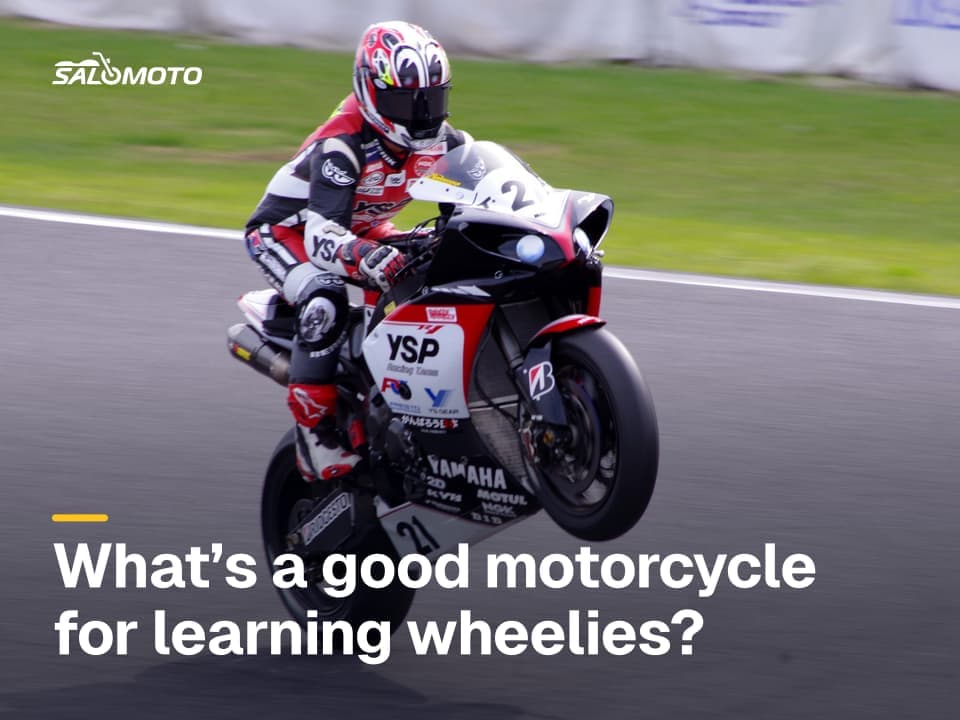
Wear the full set on every ride, private land included; tracks and clubs often have their own gear rules. The AMA describes the parent's job as teacher, coach and safety supervisor, and a good course teaches you what to watch for, too. On private land, set clear rules: a marked riding area, one direction of travel, no spectators in the riding zone. If your kid wants to copy tricks like wheelies, that belongs in coached sessions on closed ground; see wheelie training.
Growing into the next size
It's time for the next bike when knees sit high near the bars, the kid looks cramped standing still, and they've handled the current bike calmly and consistently for weeks. The next size often adds a clutch, so plan more coaching. When the street becomes the goal, it's a different decision: see riding at 16, and our page for parents on a teen's first street bike.
Legal information on this page refers to the United States, where rules vary by state.