What turning 18 changes, and what it doesn't
There's no national motorcycle license in the US. Each state sets its own rules, and age 18 is a threshold in many of them. In New York, for example, riders under 18 get a junior Class MJ license, while 18-year-olds apply for a regular Class M. Texas has a restricted license limited to motorcycles of 250 cc or less, but only for 15-year-olds. By 18, rules like these are usually behind you.
Not every age rule ends at 18, though. California requires riders under 21 to complete a CHP-approved course and hold an instruction permit for six months. Many states with partial helmet laws, Florida and Texas among them, require helmets for everyone under 21. And some requirements apply at any age: Florida requires its Basic RiderCourse for every new motorcycle endorsement.
Rules vary by state, so start with your state DMV's motorcycle page. For a wider overview of what each license lets you ride, see what you can ride on which license.
Three paths at 18
| Path | What you get | What to weigh |
|---|---|---|
| Course and endorsement now | any motorcycle, in most states | insurance and bike costs start now |
| Permit first, test later | time to learn under permit limits | limits vary; some states set a minimum hold |
| Car license first, bike later | lower costs this year | no shortcut later; same course and tests |
The third path deserves an honest look. Unlike some countries, US states generally don't offer a cheaper route onto a small motorcycle for experienced car drivers. If you plan to ride eventually, waiting mainly delays the same steps. If money is tight this year, though, waiting is a perfectly reasonable choice.
Take the course before you buy
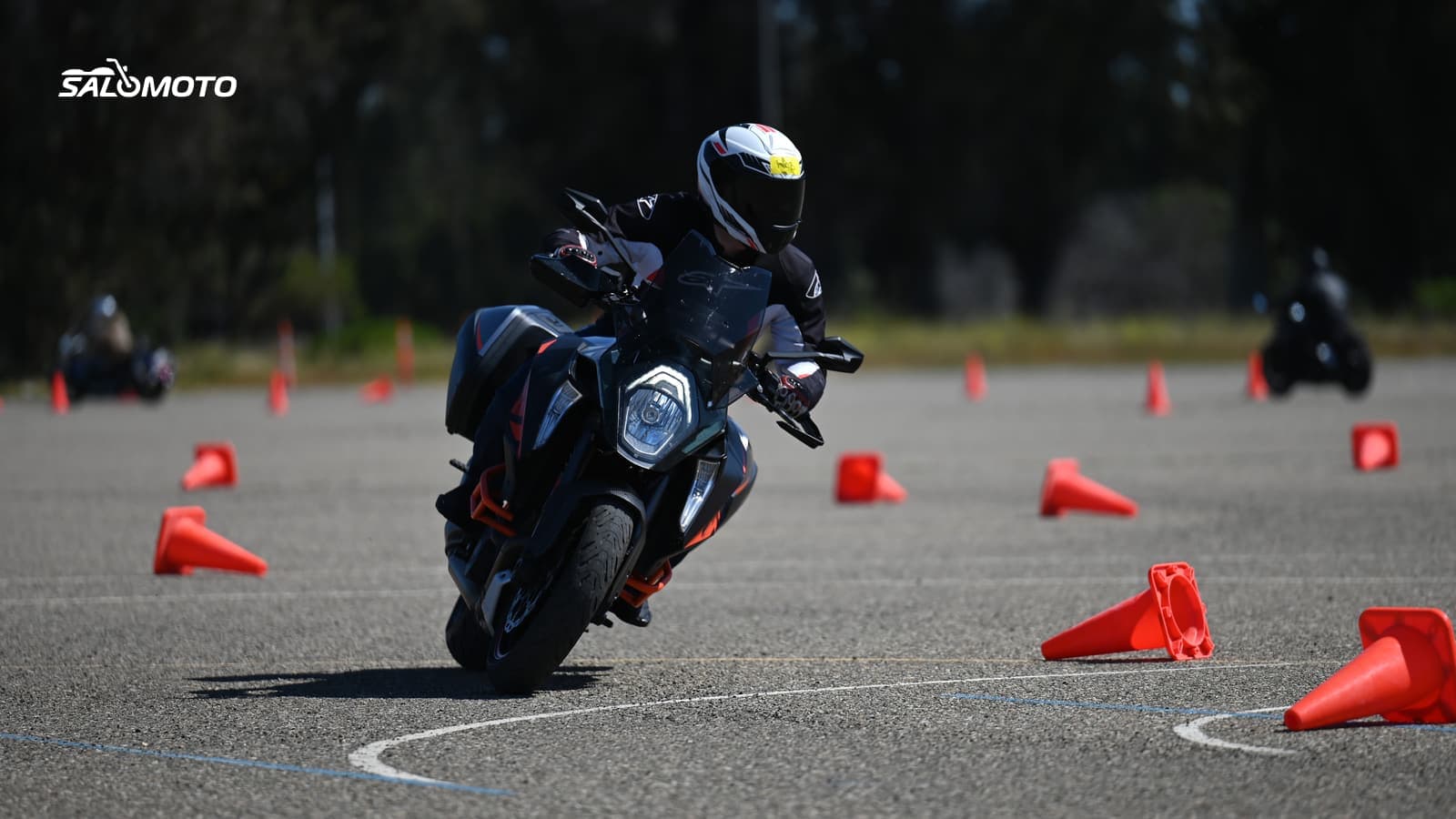
A basic rider course is the best first step at 18, whatever your state requires. You learn on a small training bike, so you find out whether you enjoy riding before you spend money on your own. In some states, completing an approved course also replaces the DMV skills test. New York accepts an in-state Basic RiderCourse for this, and California accepts its course certificate within 12 months. Out-of-state course cards often don't count, so take the course in the state where you'll get licensed.
Finishing a course also gives you a reference point: you'll know how a light, upright bike feels at walking pace, which is the yardstick for everything you test-ride later.
Budgeting your first year
At 18, the motorcycle is often not the biggest cost. Plan for all of it:
- Course and license fees: these come before any riding on your own.
- Gear: a DOT-compliant helmet, plus a jacket, gloves, riding pants and boots. Budget for it before the bike.
- Insurance: most states require liability coverage, and young, newly licensed riders tend to pay more. Insurers commonly look at age, experience, driving record, location and the bike. Sportbikes typically cost more to insure than cruisers or standards. Get quotes for the exact bikes on your list before you buy. Cheap motorcycle insurance goes deeper.
- The bike and its upkeep: maintenance, tires and gas add up over a season.
For running costs and buying used, see the beginners page.
Matching your first bike to your path
Because your license likely doesn't limit size, the choice is entirely yours. Use that well:
- On a permit: pick a bike that fits the riding your permit allows. If freeways are off-limits, highway comfort can wait.
- New endorsement, tight budget: a light, used bike with a calm engine keeps insurance, payments and dropped-bike repairs manageable.
- Daily commuter: judge the bike on the roads you'll actually ride, including any interstate stretches.
- Planning to move up: a bike you'll sell after a season or two should be easy to resell, not perfect forever.
How to judge engine size, weight and power delivery is covered in what size motorcycle to start on. Start with a bike you can handle at walking pace and ride often; that experience is what makes the next bike easier, and it's what insurers reward over time.
Legal information on this page refers to the United States, where rules vary by state.